Complete Home Inspection Guide for Bay Area Residential Buyers
Master the critical inspection process to protect your investment in Palo Alto, Menlo Park, San Francisco, and surrounding Peninsula communities.

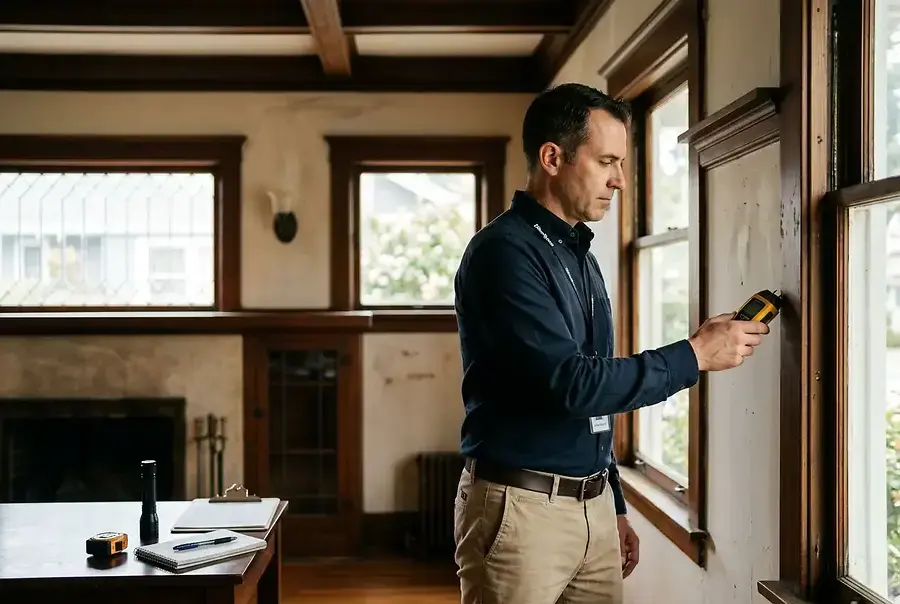
Understanding Bay Area-Specific Home Inspection Requirements
Purchasing a home in the Bay Area is one of the most significant financial decisions you'll make. Unlike other regions, the Bay Area presents unique inspection challenges due to its diverse architectural styles, seismic activity concerns, and aging housing stock. Understanding these region-specific requirements is essential before making an offer.
California state law requires that sellers provide a Transfer Disclosure Statement, which outlines known defects. However, this doesn't replace a thorough professional inspection. In competitive markets like Palo Alto and Menlo Park, buyers often waive inspection contingencies to strengthen their offers, making it even more critical to understand what you're getting into.
The Importance of Licensed Inspectors
Always hire a California-licensed home inspector with experience in Bay Area properties. These professionals understand local building codes, common issues in older homes, and seismic considerations specific to the Peninsula. A comprehensive inspection typically costs $400-$800 and takes 2-3 hours.
What Home Inspectors Look For in Older Peninsula Properties
The Bay Area is home to many properties built before modern building standards. Inspectors focus on several critical areas when evaluating these homes:
Foundation and Structural Integrity
Many Peninsula homes built in the early-to-mid 20th century rest on concrete slab foundations or older pier-and-beam systems. Inspectors assess:
- Cracks in foundation walls or slabs
- Signs of settling or shifting
- Water damage or moisture intrusion
- Seismic reinforcement adequacy
Electrical Systems
Older homes often have outdated electrical systems that don't meet current demands. Inspectors check for:
- Aluminum wiring (a fire hazard common in 1960s-70s homes)
- Insufficient amperage for modern appliances
- Outdated panel boxes and circuit breakers
- Grounding and safety compliance
Plumbing and Water Systems
Bay Area homes often contain aging pipes that may need replacement. Inspectors evaluate:
- Galvanized steel pipes prone to corrosion
- Polybutylene pipes (known to fail)
- Water pressure and flow rates
- Septic systems in Peninsula communities
Roofing and Exterior
The Bay Area's varied climate requires careful roof assessment. Inspectors examine:
- Roof age and remaining lifespan
- Proper ventilation and insulation
- Gutters and drainage systems
- Wood rot and termite damage
Red Flags and Deal-Breaker Issues in Silicon Valley Homes
Certain issues should raise serious concerns and warrant further investigation or professional evaluation:
Seismic and Structural Concerns
Soft-story construction is particularly problematic in the Bay Area. Homes with large openings on lower levels (like garage doors) lack lateral bracing needed for earthquake safety. Cripple wall issues in older homes also present seismic vulnerabilities that can be expensive to remediate.
Mold and Moisture Problems
Bay Area fog and moisture create ideal conditions for mold growth. Any visible mold, musty odors, or water stains warrant professional mold testing. Remediation can cost $5,000-$30,000 depending on severity.
Hazardous Materials
Homes built before the 1980s may contain:
- Asbestos in insulation, roofing, and floor tiles
- Lead paint (common in pre-1978 homes)
- Radon gas (naturally occurring in Bay Area soil)
Professional testing is essential for these materials, as they pose serious health risks and require certified removal contractors.
Outdated HVAC and Mechanical Systems
Aging heating and cooling systems are common in Peninsula homes. Replacement costs can exceed $10,000. Look for systems nearing the end of their lifespan (typically 15-20 years for most units).
Unpermitted Additions and Renovations
Many Bay Area homes have additions or modifications completed without proper permits. This creates liability issues and may affect resale value. Inspectors identify unpermitted work, which often requires costly remediation to bring into compliance.
Negotiating Repairs and Using Inspection Results in Your Offer
Once you have the inspection report, you have several options for moving forward:
Request Repairs Before Closing
You can ask the seller to complete repairs identified in the inspection. In the competitive Bay Area market, sellers often refuse, especially if the home received multiple offers. Be strategic about which repairs you request—focus on major structural or safety issues rather than cosmetic concerns.
Request a Price Reduction
This is often more successful than repair requests. Calculate the cost of repairs and request a proportional price reduction. For example, if a new roof costs $15,000, request a $15,000 price reduction. This gives the seller flexibility while protecting your investment.
Walk Away if Necessary
If the inspection reveals major issues that would require extensive repairs, you may choose to terminate the purchase. This is why inspection contingencies are crucial—they protect you from inheriting expensive problems.
Strategic Contingency Placement
In competitive markets, consider offering a shorter inspection period (7-10 days instead of 14) to make your offer more attractive while still allowing time for thorough evaluation. This demonstrates confidence while protecting your interests.
Professional Consultations
For significant issues, hire specialists before making final decisions. A structural engineer ($500-$1,500) can assess foundation concerns, and a pest control inspector ($200-$400) can evaluate termite damage. These investments are worthwhile when considering six-figure repair costs.
Remember: A thorough home inspection is your best defense against costly surprises. In the Bay Area's competitive real estate market, knowledge is power. Take time to understand what the inspection reveals and use that information strategically in your negotiations.
By mastering the home inspection process, you'll make informed decisions that protect your investment and ensure you're getting fair value in Palo Alto, Menlo Park, San Francisco, and surrounding Peninsula communities.