Complete Home Inspection Guide for Bloomington Property Buyers
Learn what professional inspectors look for and how to protect your investment before closing on a Bloomington property.

Understanding the Home Inspection Process: What Happens During Your Walkthrough
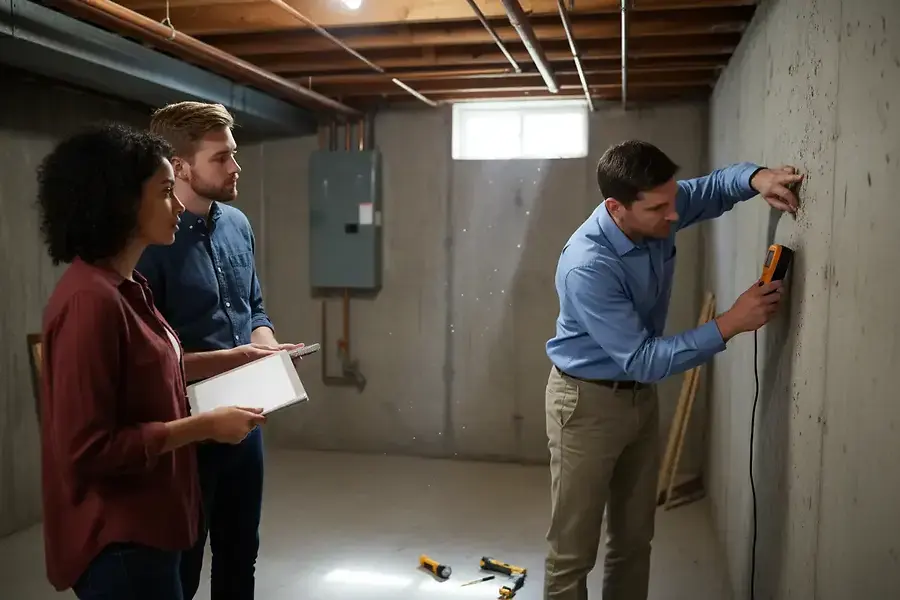
A professional home inspection is one of the most critical steps in the home-buying process. When you schedule an inspection for your Bloomington property, expect a thorough examination that typically lasts two to three hours. The inspector will systematically evaluate every major system and component of the home.
During the walkthrough, the inspector will examine:
- Structural components including foundation, walls, and roof condition
- Electrical systems and panel functionality
- Plumbing and water pressure throughout the home
- HVAC systems including furnace, air conditioning, and ductwork
- Insulation and ventilation in attics and crawl spaces
- Windows and doors for proper sealing and operation
- Appliances included in the sale
You have the right to be present during the inspection. In fact, it's highly recommended that you attend and ask questions. This gives you firsthand knowledge of the property's condition and allows you to understand the inspector's findings immediately.
What to Expect in the Inspection Report
After the walkthrough, the inspector will provide a detailed written report within 24 to 48 hours. This report categorizes findings by severity and includes photographs of problem areas. The report will clearly distinguish between items that need immediate attention and those that are simply recommendations for future maintenance.
Common Issues Found in Bloomington Homes and How to Address Them
Bloomington properties, particularly older homes, often present specific challenges related to the local climate and construction standards. Understanding these common issues helps you prepare for negotiations with the seller.
Roof and Water Damage
The Bloomington climate can be harsh on roofing materials. Inspectors frequently find missing shingles, deteriorated flashing, and signs of water intrusion in attics. If your inspection reveals roof damage, request the seller to either repair it before closing or provide a credit toward repairs.
Foundation and Basement Issues
Many Bloomington homes experience basement moisture and minor foundation settling. While some cracking is normal, significant cracks or water seepage require professional evaluation. Ask the inspector to clarify whether issues are cosmetic or structural.
Outdated Electrical Systems
Older Bloomington homes may have outdated electrical panels or insufficient grounding. Modern homes require adequate capacity for contemporary appliances and devices. Budget for electrical upgrades if the inspection reveals safety concerns.
HVAC System Age
Furnaces and air conditioning units typically last 15 to 20 years. If your inspection shows aging systems, factor replacement costs into your offer or request seller credits.
Red Flags vs. Minor Repairs: Making Informed Decisions After Your Inspection
Not all inspection findings are created equal. Learning to distinguish between critical issues and routine maintenance is essential for making smart decisions.
Critical Red Flags
These issues require immediate attention and should influence your purchase decision:
- Structural damage or foundation problems affecting home stability
- Significant water damage or mold growth
- Electrical hazards or outdated unsafe systems
- Roof leaks or extensive roof damage
- Plumbing issues affecting water quality or drainage
- HVAC systems completely non-functional
When red flags appear, you have several options: request the seller make repairs before closing, ask for a credit to cover repair costs, or renegotiate the purchase price. In some cases, you may decide to walk away from the deal.
Minor Repairs and Maintenance Items
These are typical wear-and-tear issues that don't significantly impact the home's value or safety:
- Caulking around windows and doors
- Interior paint touch-ups
- Loose cabinet handles or hinges
- Minor landscaping maintenance
- Weatherstripping replacement
- Routine gutter cleaning
For minor items, you can typically handle repairs yourself after purchase or negotiate small credits. Don't let minor findings derail an otherwise good property.
The Middle Ground
Some issues fall between critical and minor. These might include aging but functional appliances, cosmetic damage, or systems approaching the end of their lifespan. For these items, get repair estimates and negotiate accordingly. A professional inspector can help you understand the urgency and cost implications.
Next Steps: Using Inspection Results to Negotiate and Close Confidently
Once you have your inspection report, you typically have a window of time—usually 7 to 10 days—to request repairs or credits from the seller.
Preparing Your Negotiation Strategy
Review the inspection report carefully with your real estate agent. Prioritize which issues matter most to you. Get independent repair estimates for significant findings to support your negotiation requests. This data-driven approach strengthens your position when discussing repairs or credits with the seller.
Making Your Request
Submit a formal repair request or credit request based on your inspection findings. Be specific about which items you're addressing and provide repair estimates when possible. Reasonable requests are often accepted, especially if the seller wants to close the deal smoothly.
Final Walkthrough
Before closing, conduct a final walkthrough to verify that any agreed-upon repairs were completed satisfactorily. Confirm that appliances and fixtures included in the sale are still present. This is your last chance to catch any issues before you take ownership.
Closing with Confidence
A thorough home inspection provides peace of mind and protects your investment. By understanding what inspectors look for, recognizing common Bloomington property issues, and knowing how to respond to findings, you're equipped to make informed decisions. Don't skip this crucial step—it's one of the best investments you can make in your home-buying journey.
Remember: A professional home inspection is not a deal-breaker; it's a tool for informed decision-making. Use it wisely to ensure your Bloomington property purchase is sound and secure.


