Complete Home Inspection Guide for Central Maryland Property Buyers
Protect your investment with a comprehensive guide to inspections across Central Maryland's diverse properties.

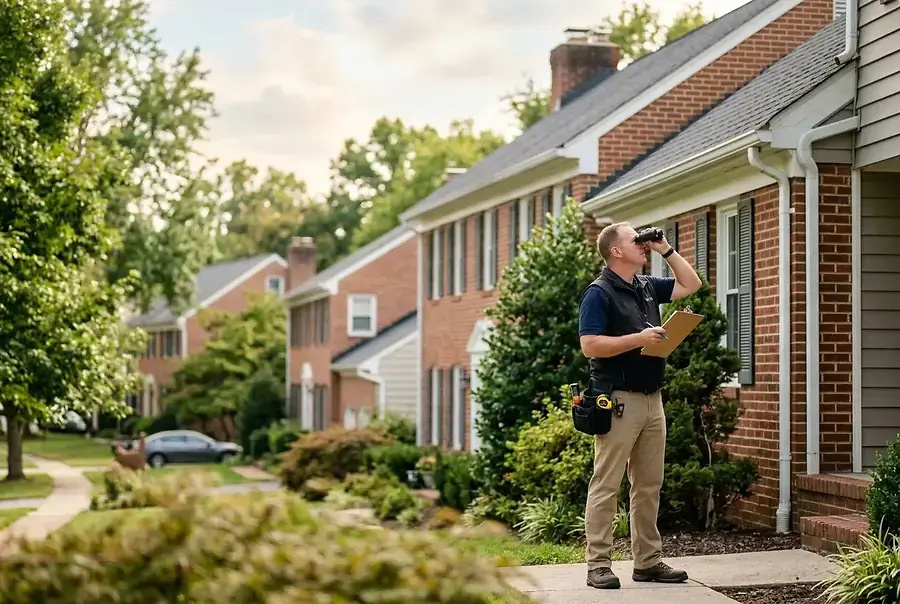
Why Home Inspections Matter in Maryland's Real Estate Market
Purchasing a home is one of the most significant financial decisions you'll make in your lifetime. In Central Maryland's competitive real estate market, a professional home inspection serves as your critical safeguard against costly surprises after closing. Whether you're buying a historic townhouse in Baltimore, a suburban colonial in Howard County, or a modern home in Anne Arundel County, a thorough inspection provides peace of mind and valuable negotiating power.
Maryland's diverse climate and aging housing stock make inspections particularly important. The region experiences significant temperature fluctuations, humidity, and seasonal weather patterns that can reveal structural vulnerabilities, moisture issues, and system failures that might not be immediately apparent to the untrained eye. A qualified inspector can identify problems that could cost thousands of dollars to repair, allowing you to make informed decisions before committing to your purchase.
What to Expect During a Professional Home Inspection
The Inspection Process
A standard home inspection typically lasts between two to three hours, depending on the property's size and age. Your inspector will systematically evaluate the home's major systems and components, creating a detailed report of their findings. Here's what you can expect:
- Exterior Evaluation: Inspection of roofing, siding, gutters, downspouts, grading, and drainage systems
- Foundation and Structure: Assessment of the foundation, basement or crawl space, and structural integrity
- Roof and Attic: Examination of roof condition, ventilation, insulation, and signs of leaks or pest damage
- Plumbing Systems: Testing water pressure, checking for leaks, evaluating water heater condition, and inspecting visible pipes
- Electrical Systems: Review of the electrical panel, wiring, outlets, and overall safety compliance
- HVAC Systems: Testing heating and cooling systems for proper operation and maintenance needs
- Interior Components: Evaluation of walls, ceilings, floors, windows, doors, and built-in appliances
Your Role During the Inspection
While the inspector conducts their evaluation, you should actively participate in the process. Walk through the home with the inspector, ask questions, and take notes. This hands-on approach helps you understand the property's condition and learn about maintenance requirements. Don't hesitate to ask about any concerns or areas that need clarification.
Understanding the Inspection Report
After the inspection, you'll receive a comprehensive written report detailing all findings. The report typically categorizes issues by severity—from minor maintenance items to major structural concerns. Pay special attention to items marked as safety hazards or requiring immediate attention, as these may significantly impact your purchase decision or negotiating position.
Common Issues Found in Central Maryland Homes and How to Address Them
Moisture and Water Damage
Central Maryland's humid climate creates ideal conditions for moisture-related problems. Inspectors frequently discover water intrusion in basements, crawl spaces, and attics. Common solutions include: improving drainage around the foundation, installing or repairing gutters and downspouts, sealing cracks in the foundation, and installing proper ventilation systems. If moisture damage is extensive, you may need professional remediation services.
Roof Issues
Many Central Maryland homes feature roofs that are nearing the end of their lifespan. Inspectors often identify missing or damaged shingles, inadequate ventilation, and deteriorating flashing. Address these issues by: obtaining repair estimates from licensed roofers, budgeting for roof replacement if the roof is over 20 years old, and ensuring proper attic ventilation to extend roof life.
Aging HVAC Systems
Heating and cooling systems in older homes frequently require replacement or significant repairs. To manage this: request maintenance records from the seller, obtain quotes for system replacement if needed, and factor these costs into your purchase negotiations. Modern, energy-efficient systems can reduce utility bills significantly.
Electrical System Concerns
Older homes may have outdated electrical panels, insufficient outlets, or wiring that doesn't meet current safety standards. Solutions include: upgrading the electrical panel, adding circuits for modern appliance demands, and replacing outdated wiring. These upgrades should only be performed by licensed electricians.
Plumbing Problems
Corroded pipes, water pressure issues, and aging water heaters are common in Central Maryland's older housing stock. Address plumbing concerns by: replacing galvanized pipes with copper or PEX, upgrading to a modern water heater, and repairing or replacing damaged fixtures. Water quality testing may also be recommended for well-water properties.
Foundation and Structural Issues
While serious structural problems are less common, inspectors may identify settling, cracks, or moisture intrusion. Have a structural engineer evaluate: significant cracks, bowing walls, or uneven floors. Many minor issues can be addressed through proper drainage and maintenance, while serious concerns may require professional structural repairs.
Making Informed Decisions Before Closing on Your Maryland Home
The inspection report is a powerful tool in your home-buying journey. Use it strategically to negotiate repairs or credits with the seller, budget for necessary improvements, and make an informed final decision about your purchase. Remember that no home is perfect—the goal is to understand what you're buying and plan accordingly.
Key takeaways for Central Maryland buyers:
- Schedule your inspection within the timeframe specified in your purchase agreement
- Attend the inspection and actively engage with the inspector
- Review the report carefully and prioritize issues by severity
- Obtain repair estimates for significant findings
- Use inspection results to negotiate with the seller or adjust your offer
- Plan for ongoing maintenance to protect your investment
By taking a proactive approach to home inspections, you're protecting your investment and ensuring you make a confident, informed decision about your Central Maryland home purchase. A thorough inspection today can save you thousands of dollars and countless headaches in the future.