Complete Home Inspection Guide for Central Valley Homebuyers
Discover what professional inspectors look for and how to protect your investment before closing.

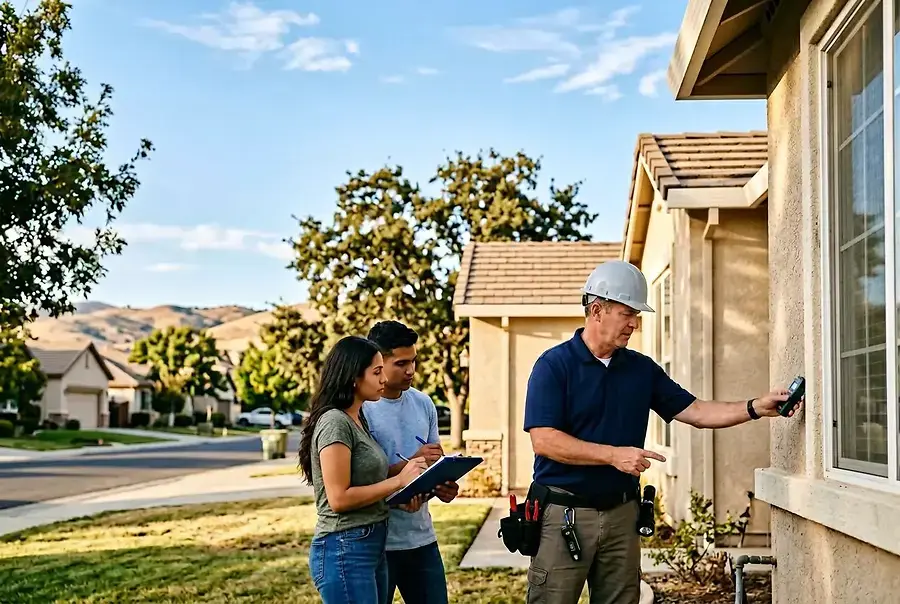
Why Home Inspections Matter in Central Valley Real Estate
Purchasing a home is one of the most significant financial decisions you'll make. In the Central Valley, where properties range from historic farmhouses to modern suburban developments, a professional home inspection is your safeguard against costly surprises. An inspection provides an objective assessment of your potential home's condition, identifying issues that could affect its value, safety, and your long-term investment.
Many homebuyers skip or rush through inspections, believing they can spot problems themselves. However, professional inspectors have specialized training, tools, and experience to uncover hidden defects that untrained eyes miss. From foundation issues to electrical hazards, these experts protect you from inheriting someone else's problems.
Key Areas Inspectors Evaluate and Red Flags to Watch For
Structural Components
Inspectors examine the foundation, framing, and overall structural integrity of your home. In the Central Valley, where soil conditions can vary significantly, foundation cracks or settling are particularly important to assess. Watch for:
- Visible cracks in the foundation or basement walls
- Uneven floors or doors that don't close properly
- Water stains indicating previous flooding or moisture issues
- Signs of termite or pest damage
Roofing and Exterior
The roof is your home's first line of defense against the elements. Inspectors evaluate shingles, flashing, gutters, and drainage systems. Red flags include:
- Missing, curled, or deteriorating shingles
- Sagging roof lines
- Clogged or damaged gutters
- Rotting wood or damaged siding
Plumbing Systems
Water damage is expensive and can worsen quickly. Inspectors test water pressure, check for leaks, and evaluate pipe materials. Common concerns:
- Outdated galvanized pipes prone to corrosion
- Slow drains or signs of previous water damage
- Water heater age and condition
- Improper grading that directs water toward the foundation
Electrical Systems
Faulty electrical systems pose serious safety risks. Inspectors examine the panel, wiring, outlets, and grounding. Watch for:
- Outdated or insufficient electrical panels
- Aluminum wiring (a fire hazard)
- Missing ground fault circuit interrupters (GFCIs) in wet areas
- Overloaded circuits or improper wiring
HVAC and Climate Control
Heating and cooling systems are essential for Central Valley comfort. Inspectors assess furnaces, air conditioners, and ductwork. Key concerns:
- Age and maintenance history of HVAC units
- Proper ventilation and ductwork condition
- Carbon monoxide detector presence and functionality
- Energy efficiency ratings
Interior and Safety Features
Inspectors evaluate windows, doors, insulation, and safety features. They check for asbestos, lead paint, and mold—particularly important in older Central Valley homes. Important items:
- Presence and functionality of smoke and carbon monoxide detectors
- Handrails on stairs and decks
- Window safety bars in bedrooms
- Proper ventilation in bathrooms and kitchens
Preparing for Your Inspection and Understanding the Report
Before the Inspection
Schedule your inspection within the timeframe specified in your purchase agreement—typically 7-10 days after making an offer. Prepare by:
- Requesting utility access from the seller
- Ensuring the home is accessible and utilities are on
- Making a list of specific concerns to discuss with the inspector
- Arranging to be present during the inspection
Being present allows you to ask questions, learn about the home's systems, and understand the inspector's findings firsthand. This is invaluable knowledge for future maintenance and repairs.
Understanding Your Inspection Report
Professional inspection reports are detailed documents categorizing findings by severity. Typical categories include:
- Safety Issues: Immediate concerns requiring urgent attention
- Major Repairs: Significant problems affecting home value or function
- Minor Issues: Small problems that should be addressed eventually
- Maintenance Recommendations: Preventive care suggestions
Don't panic if the report identifies issues—most homes have some problems. Focus on understanding the severity, estimated repair costs, and whether issues are deal-breakers for you.
Using Inspection Results to Negotiate and Secure Your Home
Negotiation Strategies
Armed with inspection findings, you have leverage in negotiations. Your options include:
- Request repairs: Ask the seller to fix major issues before closing
- Request credits: Negotiate a price reduction to cover repair costs yourself
- Request inspections: Hire specialists for specific concerns (foundation, pest, mold)
- Renegotiate terms: Adjust closing date to allow time for repairs
Be reasonable in your requests. Sellers are more likely to cooperate if you focus on significant safety issues rather than cosmetic concerns. In a competitive market, strategic negotiation can mean the difference between a successful purchase and losing the property.
Making Your Final Decision
Use the inspection report to make an informed decision about your purchase. Consider the home's overall condition, the cost of necessary repairs, and your budget for future maintenance. Ask yourself:
- Are there safety concerns that would prevent me from living here safely?
- What is the realistic cost of addressing major issues?
- Is this home worth the investment after accounting for repairs?
- Do I have the financial reserves for unexpected repairs?
Remember, no home is perfect. The goal is to understand what you're buying and make a decision aligned with your needs, budget, and risk tolerance.
Conclusion: Protecting Your Central Valley Investment
A professional home inspection is not an expense—it's an investment in your peace of mind and financial security. By understanding what inspectors evaluate, preparing thoroughly, and using findings strategically, you protect yourself from costly surprises and make confident decisions about your Central Valley home purchase.
Take the inspection process seriously, ask questions, and don't hesitate to hire specialists for areas of concern. Your future self will thank you for the diligence you invest today. With proper inspection and negotiation, you'll close on a home you can trust and enjoy for years to come.