Complete Home Inspection Guide for Clarksville Residential Buyers
Essential steps to protect your investment and avoid costly surprises when purchasing residential property in Clarksville.

Why Home Inspections Matter in Clarksville's Real Estate Market
Purchasing a home is one of the most significant financial decisions you'll make in your lifetime. In Clarksville's competitive real estate market, a professional home inspection serves as your safeguard against hidden defects and costly repairs. Many buyers overlook this critical step, only to discover expensive problems after closing—problems that could have been negotiated or avoided entirely.
A comprehensive home inspection provides you with detailed knowledge about your potential property's condition. It identifies structural issues, system failures, and safety concerns that may not be visible during a casual walkthrough. This information empowers you to make informed decisions, negotiate repairs or credits, or walk away from a problematic property before it's too late.
Why Clarksville properties require special attention: The region's climate and soil conditions can impact homes differently than other areas. Understanding these local factors during your inspection ensures you're prepared for area-specific maintenance needs.
Key Areas to Inspect: Foundation, Systems & Structural Integrity
Foundation and Structural Elements
The foundation is the backbone of any home. During your inspection, look for:
- Cracks in the foundation – Small hairline cracks are common, but larger or expanding cracks indicate serious problems
- Water damage or moisture – Signs of water intrusion suggest drainage issues or potential flooding risks
- Uneven floors – Walking through the home, notice if floors slope or feel unstable
- Gaps between walls and foundation – These can indicate settling or structural movement
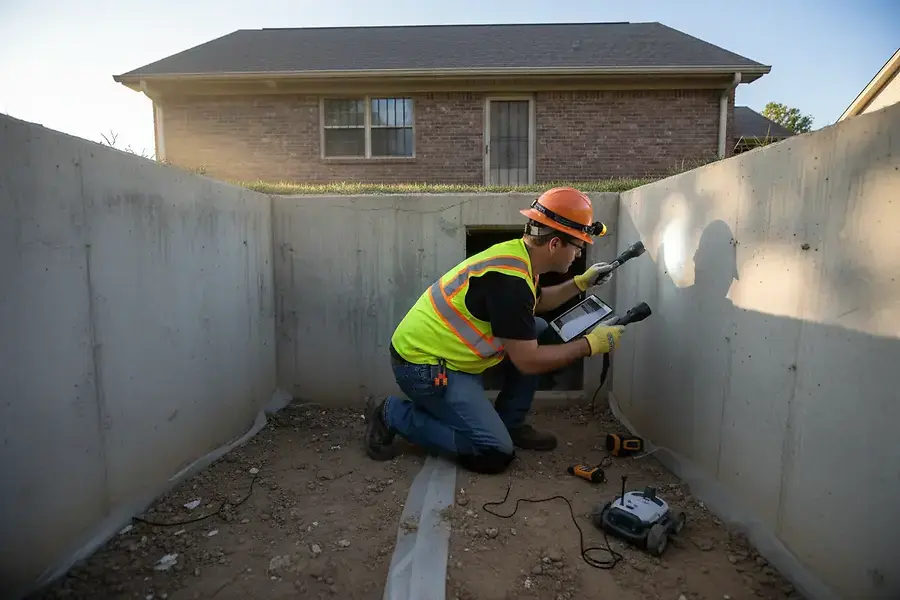
A professional inspector will use specialized tools to assess foundation depth, concrete integrity, and any signs of previous repairs. This assessment is crucial for understanding the home's long-term stability.
Electrical and Plumbing Systems
These systems are vital to daily living and can be expensive to repair or replace. Your inspection should verify:
- Electrical panel condition – Check for outdated panels, double-tapped breakers, or safety hazards
- Water pressure and drainage – Test all fixtures to ensure proper function
- Pipe materials and age – Older homes may have outdated plumbing that requires replacement
- Water heater condition – Assess age, capacity, and signs of corrosion or leaks
These systems directly impact your quality of life and safety. Identifying issues early allows you to budget for upgrades or negotiate credits from the seller.
Roof, Attic, and Exterior
The roof protects everything beneath it. During inspection, evaluate:
- Roof age and condition – Most roofs last 15-25 years; older roofs may need replacement soon
- Missing or damaged shingles – These allow water penetration and lead to interior damage
- Proper ventilation – Poor attic ventilation causes premature aging and moisture problems
- Gutters and downspouts – Ensure they direct water away from the foundation
- Exterior walls and siding – Look for rot, damage, or pest entry points
HVAC and Climate Control
Your heating and cooling systems are essential for comfort and health. Verify:
- System age and maintenance history – Older systems may fail soon
- Proper operation – Test heating and cooling functions
- Ductwork condition – Damaged ducts reduce efficiency and increase energy costs
- Thermostat functionality – Ensure it maintains consistent temperatures
Red Flags and Negotiation Strategies After Inspection Results
Major Red Flags to Take Seriously
Don't ignore these warning signs:
- Foundation problems – Structural issues are expensive and complex to repair
- Mold or water damage – These indicate moisture problems that can spread and cause health issues
- Outdated electrical systems – Knob-and-tube wiring or aluminum wiring pose fire hazards
- Pest infestation – Termites, rodents, or other pests require professional treatment
- Asbestos or lead paint – These hazardous materials require professional remediation
When major issues are discovered, you have several options: request the seller make repairs, ask for a credit toward repairs you'll handle, or renegotiate the purchase price.
Effective Negotiation Strategies
Use inspection results strategically:
- Get repair estimates – Obtain quotes from licensed contractors to support your negotiation position
- Prioritize issues – Focus negotiations on major, expensive problems rather than minor cosmetic issues
- Be reasonable – Sellers are more likely to negotiate if your requests are fair and well-documented
- Know your limits – Understand your budget and walk away if repairs exceed your financial capacity
- Document everything – Keep copies of the inspection report and all correspondence with the seller
Remember, the inspection period is your opportunity to gather information and make adjustments. Once you close on the property, you're responsible for all repairs and maintenance.
When to Walk Away
Sometimes the best decision is to walk away from a property. Consider this option if:
- Major structural or foundation issues are discovered
- Repair costs exceed your budget or the home's value
- The seller refuses to address critical safety concerns
- You discover hazardous materials that require professional remediation
Walking away protects your financial future and prevents years of frustration with a problematic property.
Making Informed Decisions with Professional Guidance
A thorough home inspection is an investment in your peace of mind and financial security. By understanding what to look for and how to interpret inspection results, you position yourself as a knowledgeable buyer in Clarksville's real estate market.
Key takeaways for your home inspection journey:
- Always hire a licensed, experienced home inspector
- Attend the inspection and ask questions about findings
- Request a detailed written report with photos and recommendations
- Use inspection results to negotiate fairly with the seller
- Consult with specialists for major issues (structural engineers, pest inspectors, etc.)
Your real estate agent and lender can also provide valuable guidance throughout the inspection process. Don't hesitate to ask questions or seek professional advice when you're uncertain about findings.
By following this comprehensive guide and working with qualified professionals, you'll make an informed decision that protects your investment and ensures your new Clarksville home is a sound financial choice for years to come.


