Complete Home Inspection Guide for Columbus Buyers and Sellers
Master the inspection process to identify issues early and negotiate with confidence in your Columbus real estate transaction.

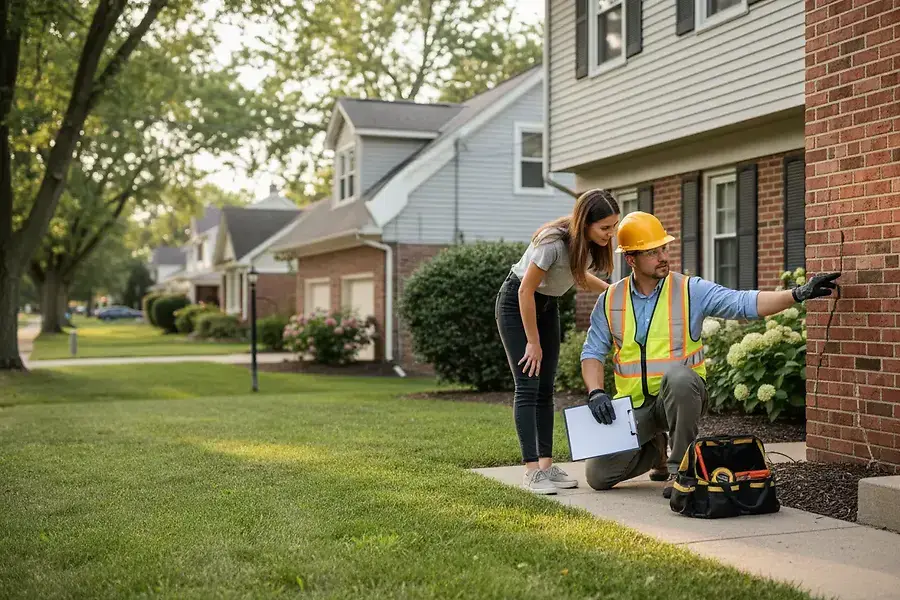
Why Home Inspections Matter for Columbus Buyers and Sellers
A home inspection is one of the most critical steps in any real estate transaction. Whether you're buying or selling a property in Columbus, understanding what inspectors look for can save you thousands of dollars and prevent costly surprises down the road.
For buyers, a thorough inspection provides peace of mind and negotiating power. You'll discover hidden problems before committing to a purchase, allowing you to request repairs, credits, or renegotiate the price. For sellers, a pre-listing inspection helps you address issues proactively, market your home confidently, and avoid last-minute deal-breakers.
Columbus properties, like homes across the Midwest, face unique challenges due to climate variations, soil conditions, and aging infrastructure. Understanding these regional factors helps you prepare for what inspectors will evaluate.
What to Expect During a Home Inspection
A standard home inspection typically takes 2-4 hours and covers the entire property, both inside and out. The inspector will examine:
- Structural components and foundation
- Electrical systems and panels
- Plumbing and water systems
- HVAC systems
- Roof condition and attic
- Windows, doors, and exterior walls
- Basement and crawl spaces
- Appliances and fixtures
You have the right to be present during the inspection. Many buyers and sellers find this invaluable for learning about their property firsthand.
Key Structural and Foundation Issues to Watch for in Columbus Properties
Foundation Problems
Columbus homes built on clay and silt soils are particularly susceptible to foundation movement. Inspectors will look for:
- Cracks in the foundation – Small hairline cracks are common, but larger or widening cracks indicate serious problems
- Water intrusion and moisture – Wet basements or efflorescence (white mineral deposits) suggest drainage issues
- Uneven settling – Doors and windows that stick or won't close properly may indicate foundation shift
- Bowing walls – Inward-bowing basement walls require immediate attention
Foundation repairs can be expensive, so this is a critical area for negotiation during the inspection contingency period.
Structural Integrity
Inspectors assess the overall structural soundness of your home by examining:
- Load-bearing walls and support beams
- Floor joists and subflooring
- Roof framing and trusses
- Signs of pest damage or wood rot
Pro tip for sellers: Address any visible wood damage or pest issues before listing. These red flags can derail negotiations quickly.
Critical Systems to Evaluate: Electrical, Plumbing, HVAC, and Roof Condition
Electrical Systems
An outdated or faulty electrical system poses serious safety risks. Inspectors will evaluate:
- Electrical panel capacity – Older homes may have insufficient service for modern appliances
- Wiring type – Aluminum wiring or knob-and-tube wiring indicates potential hazards
- Grounding and bonding – Proper grounding protects against electrical shocks
- GFCI outlets – Ground fault circuit interrupters are required in bathrooms and kitchens
- Outlet and switch functionality – All outlets should work properly
Electrical upgrades can be costly, so budget accordingly if issues are found.
Plumbing Systems
Water damage is one of the most expensive problems homeowners face. Inspectors check:
- Pipe material and condition – Galvanized pipes may corrode; polybutylene pipes are prone to failure
- Water pressure and flow – Low pressure indicates potential issues
- Drain functionality – Slow drains suggest blockages or deterioration
- Water heater age and condition – Most water heaters last 8-12 years
- Visible leaks – Under sinks, around toilets, and in basements
Columbus's hard water can accelerate pipe deterioration, so this is especially important to evaluate.
HVAC Systems
Heating and cooling systems are essential for Columbus comfort. Inspectors assess:
- Furnace age and efficiency – Systems over 15 years old may need replacement soon
- Air conditioning functionality – Proper cooling is crucial during summer months
- Ductwork condition – Leaky ducts reduce efficiency
- Thermostat operation – Should maintain consistent temperature
- Maintenance records – Regular servicing extends system life
HVAC replacement is a major expense, so understanding the age and condition helps with budgeting.
Roof Condition
Your roof is your home's first line of defense against the elements. Inspectors evaluate:
- Shingle condition – Missing, curled, or damaged shingles need attention
- Roof age – Asphalt shingles typically last 15-20 years
- Flashing and seals – Around chimneys, vents, and skylights
- Gutters and downspouts – Should direct water away from the foundation
- Attic ventilation – Proper ventilation prevents moisture and heat damage
Roof replacement is expensive, so knowing its remaining lifespan is crucial for long-term planning.
Using Inspection Results to Make Informed Real Estate Decisions
For Buyers: Negotiation Strategies
Once you receive the inspection report, you have several options:
- Request repairs – Ask the seller to fix identified issues before closing
- Negotiate credits – Receive money at closing to handle repairs yourself
- Renegotiate price – Adjust the offer based on repair costs
- Walk away – If major issues exceed your budget, you can terminate the contract
Work with your real estate agent and inspector to prioritize issues by severity and cost. Focus negotiations on significant problems that affect safety or structural integrity.
For Sellers: Proactive Measures
If you're selling, consider getting a pre-inspection before listing. This allows you to:
- Address problems on your timeline and budget
- Provide buyers with confidence and transparency
- Avoid last-minute negotiations and deal delays
- Market your home as well-maintained
A pre-listing inspection often leads to faster sales and better offers, making it a worthwhile investment.
Moving Forward with Confidence
Whether you're buying or selling in Columbus, a thorough home inspection is your best tool for making informed decisions. Don't skip this critical step or try to cut corners. A professional inspector will identify issues you might miss, giving you the knowledge and leverage to negotiate successfully.
Remember: a home inspection isn't just about finding problems—it's about understanding your investment and planning for the future. Use the inspection report as a roadmap for maintenance, repairs, and budgeting. With this comprehensive guide and professional guidance, you'll navigate your Columbus real estate transaction with confidence and peace of mind.


