Complete Home Inspection Guide for Crossville Property Buyers
Discover the essential inspection checklist that protects your investment and reveals hidden property issues before closing.

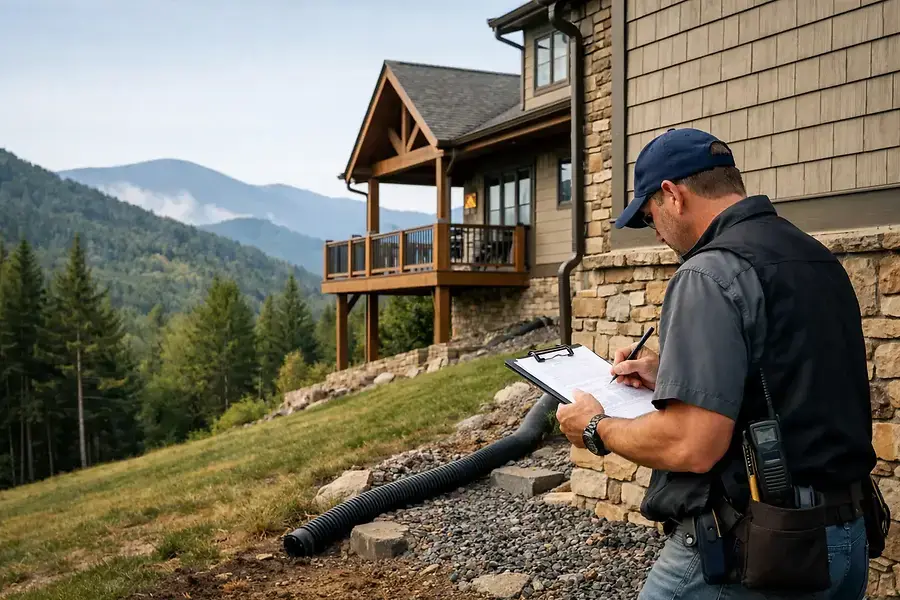
Introduction: Why Home Inspections Matter in Crossville
Purchasing a home is one of the most significant financial decisions you'll make in your lifetime. In Crossville, where mountain properties present unique challenges and opportunities, a thorough home inspection becomes even more critical. A professional home inspection serves as your safeguard against costly surprises after closing, providing an objective assessment of the property's condition and identifying potential issues that could affect your investment.
Whether you're buying a historic mountain cottage or a modern hillside residence, understanding what inspectors examine and what issues are common in the area will empower you to make informed decisions. This guide walks you through the essential aspects of home inspections specific to Crossville properties.
Key Areas Inspectors Examine in Mountain Properties
Structural Integrity and Foundation
Mountain properties in Crossville often sit on challenging terrain, making structural assessment paramount. Inspectors carefully examine:
- Foundation cracks and settlement patterns
- Basement moisture and water intrusion signs
- Slope stability and erosion concerns
- Support beam condition and wood rot
Why it matters: Crossville's elevation and soil composition can create unique foundation challenges that require specialized attention.
Roofing and Weather Protection
Mountain weather demands robust roofing systems. Inspectors evaluate:
- Roof material condition and remaining lifespan
- Flashing integrity around chimneys and vents
- Gutter systems and drainage effectiveness
- Attic ventilation and insulation levels
Proper roof maintenance is essential in Crossville, where heavy snow loads and temperature fluctuations are common.
Plumbing and Water Systems
Water management is critical in mountain communities. Inspectors check:
- Pipe materials and corrosion signs
- Water pressure and flow rates
- Septic system functionality (if applicable)
- Well water quality and pump operation
- Drainage systems and grading
Electrical Systems
Safe electrical systems are non-negotiable. Professional inspectors examine:
- Panel capacity and breaker conditions
- Grounding and bonding integrity
- Outlet and switch functionality
- Outdated wiring that may need replacement
HVAC and Climate Control
Heating and cooling systems work overtime in mountain climates. Inspectors assess:
- Furnace and air conditioning unit age and efficiency
- Ductwork condition and insulation
- Thermostat functionality
- Fireplace and chimney safety
Common Issues Found in Crossville Homes and How to Address Them
Moisture and Water Damage
The Issue: Crossville's mountain location means higher precipitation and humidity levels. Many homes develop moisture problems in basements, crawl spaces, and attics.
How to Address It: Request a moisture assessment as part of your inspection. Ask the inspector about dehumidification systems, proper grading, and gutter maintenance. Budget for potential waterproofing improvements if issues are found.
Inadequate Insulation
The Issue: Older Crossville homes often lack sufficient insulation for the mountain climate, leading to high heating and cooling costs.
How to Address It: Have the inspector evaluate insulation levels in the attic, walls, and basement. Modern insulation upgrades can significantly improve energy efficiency and comfort while reducing utility bills.
Aging Roofing Materials
The Issue: Mountain weather accelerates roof deterioration. Many Crossville homes have roofs nearing the end of their lifespan.
How to Address It: Ask your inspector for a detailed roof assessment including remaining lifespan estimates. Factor roof replacement costs into your offer negotiations if necessary.
Septic System Concerns
The Issue: Many Crossville properties rely on septic systems rather than municipal sewage. These systems require proper maintenance and can be expensive to repair or replace.
How to Address It: Hire a specialized septic inspector to evaluate system age, capacity, and condition. Request maintenance records from the current owner and budget for potential repairs.
Outdated Electrical Systems
The Issue: Older homes may have aluminum wiring, insufficient outlets, or outdated panels that don't meet current safety standards.
How to Address It: Have a licensed electrician review the inspection findings. Plan for upgrades if the system poses safety risks or cannot support modern electrical demands.
Foundation and Settling Issues
The Issue: Crossville's terrain can cause uneven settling, leading to cracks and structural concerns.
How to Address It: Ask your inspector to distinguish between cosmetic cracks and structural concerns. Consult a structural engineer if significant issues are identified before making your final decision.
Conclusion: Making Informed Decisions with Inspection Results
A comprehensive home inspection is your opportunity to understand exactly what you're purchasing. In Crossville, where mountain properties come with unique characteristics and challenges, this knowledge becomes invaluable.
Use your inspection report as a negotiation tool. Don't view inspection findings as deal-breakers automatically—instead, use them to make informed decisions about repairs, replacements, and pricing. Request that sellers address critical safety issues, negotiate credits for repairs you'll handle yourself, or adjust your offer based on the property's true condition.
Remember that every home has some issues. What matters is understanding them fully and deciding whether they align with your budget, timeline, and expectations. By following this guide and working with qualified inspectors familiar with Crossville properties, you'll protect your investment and move forward with confidence in your home purchase decision.


