Complete Home Inspection Guide for Dallas, Fort Worth, and Frisco Buyers
Protect your investment by understanding what inspectors look for in DFW properties.
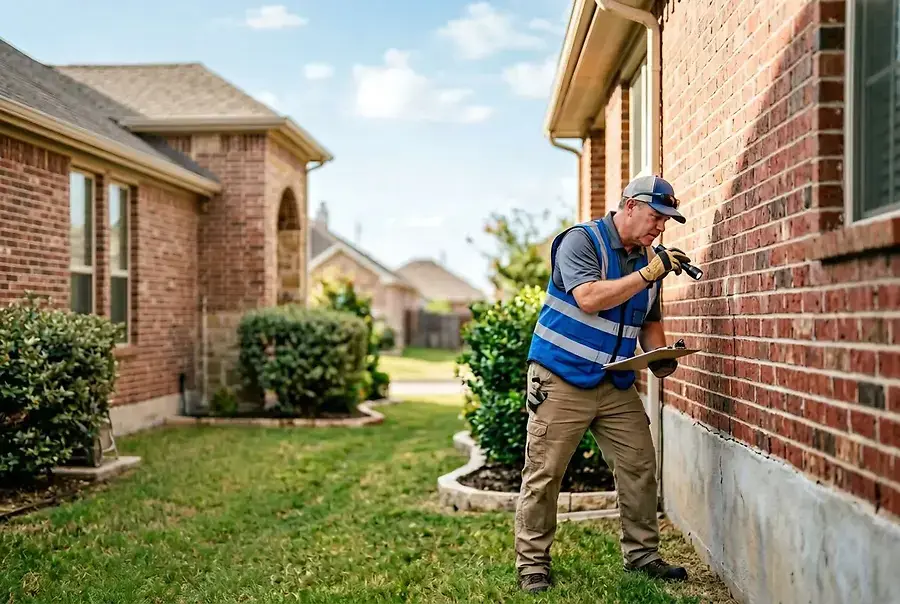
Why Home Inspections Matter in the DFW Market
Purchasing a home is one of the most significant financial decisions you'll make. In the competitive Dallas, Fort Worth, and Frisco real estate market, a professional home inspection is your safeguard against costly surprises. An inspection provides an objective assessment of a property's condition, revealing hidden issues that could impact your investment for years to come.
The DFW region experiences unique environmental challenges, including extreme heat, occasional severe weather, and soil composition variations that can affect home structures differently than other parts of the country. A qualified inspector familiar with local conditions understands these regional factors and can identify problems specific to our area.
A thorough inspection typically costs between $300-$500, a small price compared to potential repair costs that could reach thousands of dollars. Beyond financial protection, inspections give you peace of mind and valuable negotiating power before closing on your new home.
Common Issues Found in Dallas, Fort Worth, and Frisco Homes
Foundation and Structural Concerns
The clay-heavy soil common throughout the DFW area can cause foundation settling and cracking. Inspectors look for:
- Visible cracks in concrete slabs or basement walls
- Uneven floors or doors that don't close properly
- Signs of previous foundation repairs
- Water damage or moisture intrusion
HVAC System Issues
With scorching summers and occasional cold winters, your heating and cooling system works hard in the DFW area. Common problems include:
- Aging air conditioning units nearing the end of their lifespan
- Inadequate maintenance or dirty filters
- Refrigerant leaks
- Inefficient ductwork or poor insulation
Roof and Weather Damage
Hail storms and intense sun exposure can damage roofs prematurely. Inspectors examine:
- Missing or damaged shingles
- Hail impact damage
- Flashing deterioration around chimneys and vents
- Gutter condition and proper drainage
Plumbing and Water Issues
Water management is critical in Texas homes. Inspectors check for:
- Outdated galvanized pipes prone to corrosion
- Slow drains or drainage problems
- Water heater age and condition
- Proper grading and drainage away from the foundation
Electrical System Deficiencies
Older homes in the DFW area may have outdated electrical systems. Inspectors look for:
- Outdated panel boxes or insufficient capacity
- Aluminum wiring (a fire hazard)
- Missing ground fault circuit interrupters (GFCIs)
- Improper grounding or outdated outlets
What to Expect During Your Inspection and How to Prepare
The Inspection Process
A standard home inspection typically lasts 2-3 hours and covers all major systems and components. The inspector will examine:
- Exterior: roof, siding, foundation, landscaping, and drainage
- Interior: walls, ceilings, floors, doors, and windows
- Systems: electrical, plumbing, HVAC, and appliances
- Attic and basement or crawl spaces
How to Prepare for Your Inspection
Before the inspector arrives:
- Ensure all areas are accessible, including attics, basements, and utility rooms
- Clear pathways and remove clutter from inspection areas
- Make sure utilities are turned on so systems can be tested
- Unlock gates, sheds, and any secured areas
- Provide access to the electrical panel and water shut-off valve
During the inspection:
- Stay present to ask questions and learn about the property
- Take notes on areas of concern
- Ask the inspector to explain findings in detail
- Request clarification on repair recommendations
Understanding the Inspection Report
After the inspection, you'll receive a detailed report categorizing issues by severity. Items are typically marked as:
- Critical: Safety hazards requiring immediate attention
- Major: Significant repairs needed soon
- Minor: Maintenance items or cosmetic concerns
Review the report carefully and don't hesitate to ask your real estate agent or inspector to clarify any findings.
Using Inspection Results to Negotiate and Make Confident Offers
Negotiation Strategies
Armed with inspection results, you have leverage in negotiations. Consider these approaches:
- Request repairs: Ask the seller to fix critical and major issues before closing
- Negotiate credits: Request a credit toward closing costs to handle repairs yourself
- Price reduction: Ask for a lower purchase price reflecting necessary repairs
- Contingency period: Extend your inspection contingency if significant issues need further evaluation
Making Your Final Decision
Use inspection results to make an informed decision about your purchase. Ask yourself:
- Are critical safety issues present?
- What will repairs cost, and can you afford them?
- Is this property still a good value after accounting for repairs?
- Are there patterns of poor maintenance suggesting future problems?
Remember, no home is perfect. The goal is understanding what you're buying and making an informed decision that aligns with your budget and comfort level.
Final Thoughts
In the dynamic DFW real estate market, a professional home inspection is an essential investment in your future. By understanding what inspectors look for, preparing properly, and using results strategically, you'll navigate the buying process with confidence and protect your investment for years to come.