Complete Home Inspection Guide for Dallas-Fort Worth Homebuyers
Discover what Dallas-Fort Worth homebuyers need to know about inspections before closing on their property.

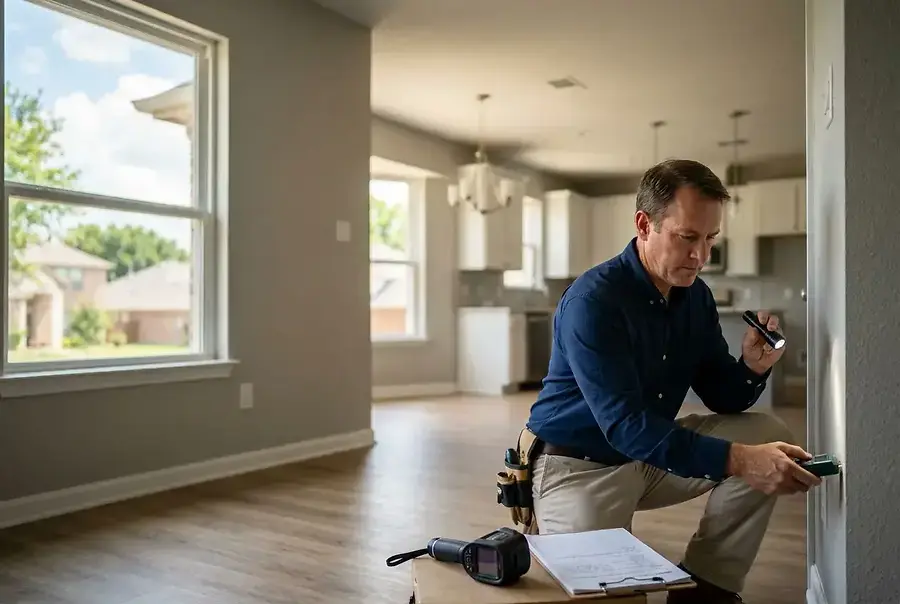
Understanding the Home Inspection Process in North Texas
A home inspection is one of the most critical steps in the homebuying process, and Dallas-Fort Worth buyers should understand what to expect. During a typical inspection, a certified home inspector will spend 2-4 hours examining your potential property from top to bottom. They'll evaluate the structural integrity, electrical systems, plumbing, HVAC, roofing, and more.
In the DFW area, it's important to hire an inspector who understands the unique challenges of North Texas homes. The region's clay soil, extreme temperature fluctuations, and weather patterns can create specific issues that inspectors familiar with the area will recognize. Always verify that your inspector is licensed by the Texas Real Estate Commission (TREC) and carries proper insurance.
What Happens During the Inspection
Your inspector will create a detailed report documenting the condition of major systems and components. This report typically includes:
- Structural components and foundation condition
- Roof condition and remaining lifespan
- Electrical and plumbing systems
- HVAC systems and efficiency
- Insulation and ventilation
- Windows, doors, and exterior condition
- Interior walls, ceilings, and flooring
Many inspectors now offer optional add-on inspections for termites, radon, mold, and pool/spa evaluations. Given North Texas's humidity levels and occasional moisture issues, these additional inspections can be worthwhile investments.
Common Issues Found in DFW Homes and How to Address Them
Foundation Problems
Dallas-Fort Worth's expansive clay soil is notorious for causing foundation issues. Cracks in the foundation, uneven floors, and doors that won't close properly are common red flags. While minor cracks are normal, significant settling or movement requires professional evaluation. Foundation repairs can be expensive, so this is a critical area to understand before making an offer.
Roof Damage and Age
The intense Texas sun and occasional severe weather take a toll on roofing materials. Most asphalt shingles last 15-20 years in the DFW climate. If your inspection reveals a roof nearing the end of its lifespan, budget for replacement costs or negotiate with the seller for repairs before closing.
HVAC System Concerns
Air conditioning systems work overtime in North Texas summers. Inspectors will check for proper cooling capacity, refrigerant levels, and overall system age. A well-maintained HVAC system should last 10-15 years, but older units may need replacement soon after purchase.
Plumbing and Water Issues
Hard water is common in the DFW area, which can affect pipes and fixtures over time. Inspectors look for signs of leaks, water damage, and outdated plumbing materials. Galvanized pipes, common in older homes, may need replacement to ensure water quality and pressure.
Red Flags That Should Concern You as a Buyer
Structural and Foundation Concerns
Beyond minor settling, watch for:
- Horizontal or stair-step cracks in foundation walls
- Bowing or leaning walls
- Significant gaps between walls and ceilings
- Water intrusion in basement or crawl spaces
Foundation issues are not something to ignore. They can affect the entire structural integrity of the home and may require costly repairs.
Electrical System Issues
Outdated electrical systems pose safety risks. Be concerned if the home has:
- Aluminum wiring (fire hazard)
- Insufficient grounding
- Outdated fuse boxes instead of circuit breakers
- Inadequate outlets for modern living
Mold and Moisture Problems
North Texas humidity can lead to mold growth, particularly in attics, crawl spaces, and bathrooms. Any visible mold or musty odors warrant professional mold testing. Moisture issues can indicate larger problems like roof leaks or poor ventilation.
Pest Infestations
Termites are a significant concern in Texas. Evidence of termite damage, carpenter ants, or other pest infestations should trigger a specialized pest inspection. These issues can compromise structural integrity and require professional treatment.
Next Steps After Your Inspection Report
Review and Understand Your Report
Take time to carefully read your inspection report. Don't hesitate to ask your inspector questions about items you don't understand. Many inspectors offer follow-up consultations to clarify findings and discuss severity levels.
Prioritize Issues by Severity
Not all inspection findings require action. Categorize issues as:
- Critical: Safety hazards or structural problems requiring immediate attention
- Important: Systems nearing end of life that will need replacement soon
- Minor: Cosmetic issues or routine maintenance items
Negotiate with the Seller
Use your inspection report as a negotiation tool. You can request that the seller:
- Make repairs before closing
- Provide credits toward repairs you'll handle
- Reduce the purchase price to account for needed work
Be realistic about what's negotiable. Sellers are more likely to address critical safety issues than cosmetic concerns.
Get Additional Professional Opinions
For significant issues, consider hiring specialists. A structural engineer can evaluate foundation concerns, a roofer can assess roof condition, and an electrician can review electrical systems. These additional inspections provide peace of mind and strengthen your negotiating position.
Make Your Final Decision
After reviewing all information, you have three options: proceed with the purchase as-is, renegotiate terms based on inspection findings, or walk away if issues are too severe. Remember, the inspection period is your opportunity to make an informed decision about one of the largest investments you'll make.
Don't rush this process. A thorough home inspection protects your interests and helps you avoid costly surprises after closing. By understanding what to look for and how to respond to inspection findings, Dallas-Fort Worth homebuyers can make confident decisions and secure their dream homes.