Complete Home Inspection Guide for Dallas Residential Buyers
Learn what Dallas inspectors check for and how to protect your investment before closing.

Why Home Inspections Matter in Dallas's Competitive Market
In Dallas's fast-paced real estate market, home inspections serve as your critical safeguard against costly surprises. With properties moving quickly and competition fierce among buyers, it's easy to overlook the importance of a thorough inspection. However, skipping this essential step could leave you vulnerable to expensive repairs and structural issues that might not be immediately visible.
A professional home inspection provides an objective assessment of a property's condition, identifying potential problems before you commit to the purchase. In Dallas, where homes face unique challenges from the climate, soil conditions, and age of properties, inspections are invaluable. They give you negotiating power, help you understand your investment, and ultimately protect your financial interests.
Understanding the Dallas Home Inspection Process and What Inspectors Evaluate
The Inspection Timeline and Process
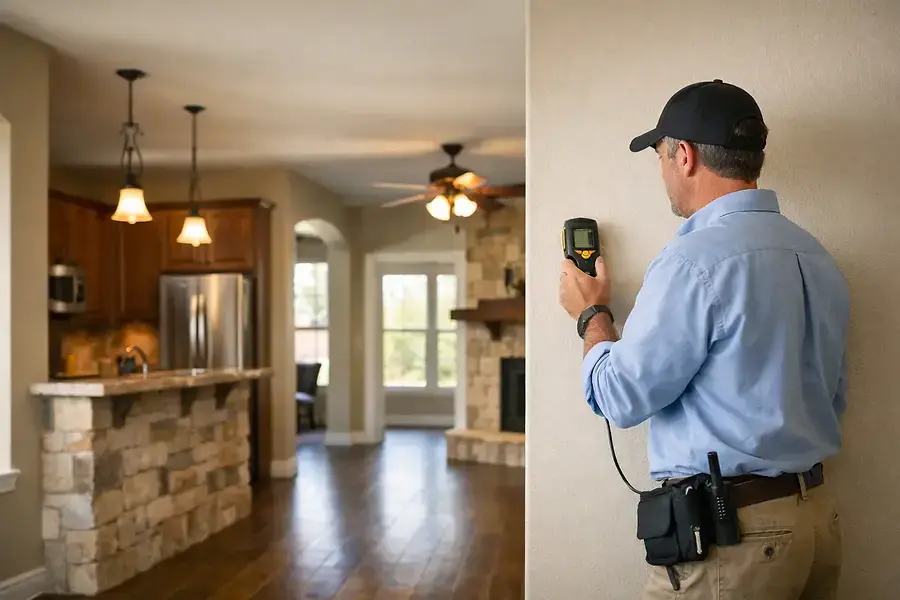
A typical home inspection in Dallas takes between two to four hours, depending on the property's size and age. Licensed inspectors will systematically examine both the interior and exterior of the home, documenting their findings in a detailed report. You have the right to be present during the inspection, which is highly recommended so you can ask questions and understand any concerns firsthand.
Key Areas Inspectors Examine
Professional Dallas home inspectors evaluate numerous critical components:
- Structural Systems: Foundation integrity, framing, and load-bearing walls are examined for cracks, settling, or water damage
- Roofing: Roof condition, age, missing shingles, and potential leaks are assessed
- HVAC Systems: Air conditioning and heating units are tested for proper operation and efficiency
- Plumbing: Water pressure, drainage, pipe materials, and potential leaks are evaluated
- Electrical Systems: Panel condition, wiring safety, and outlet functionality are inspected
- Insulation and Ventilation: Proper insulation levels and attic ventilation are checked
- Windows and Doors: Functionality, sealing, and weatherproofing are assessed
- Interior Conditions: Walls, ceilings, flooring, and visible signs of water damage or pest issues
What Inspectors Don't Cover
It's important to understand that standard inspections have limitations. Inspectors typically do not perform:
- Detailed pest or termite inspections (though they may note visible signs)
- Radon or mold testing (separate specialized inspections)
- Pool or spa inspections
- Septic system evaluations
- Detailed asbestos or lead paint assessments
If you suspect issues in these areas, consider ordering specialized inspections to get a complete picture of the property's condition.
Common Issues Found in Dallas Homes and How to Address Them
Foundation and Structural Problems
Dallas's clay-heavy soil is prone to shifting and settling, making foundation issues one of the most common problems inspectors find. Look for signs like cracks in walls, uneven floors, or doors that don't close properly. Minor cracks may be cosmetic, but significant structural issues require professional evaluation and can be expensive to repair. Request a structural engineer's assessment if your inspector flags concerns.
Roof and Water Damage
The Texas heat and occasional severe storms take a toll on roofing. Inspectors frequently identify missing shingles, deteriorated flashing, or signs of interior water damage. If your roof is nearing the end of its lifespan, budget for replacement or negotiate credits with the seller. Water damage in attics or ceilings requires immediate attention to prevent mold growth.
HVAC System Issues
Air conditioning systems work overtime in Dallas's heat. Inspectors often find units that are aging, inefficient, or in need of maintenance. Ask for service records and consider getting an HVAC specialist's evaluation if the system is over 10 years old. Replacing an AC unit can cost $3,000-$7,000, so this is important to factor into your decision.
Plumbing Concerns
Older Dallas homes may have outdated plumbing materials like galvanized pipes or polybutylene, which are prone to corrosion and leaks. Inspectors will identify these issues and their potential impact. Budget for pipe replacement if necessary, or negotiate with the seller for repairs before closing.
Electrical System Deficiencies
Outdated electrical panels, insufficient outlets, or improper grounding are common findings. These issues pose safety risks and may require upgrades to meet current code standards. Have a licensed electrician provide a quote for any recommended repairs.
Pest and Termite Damage
While standard inspections may note visible pest damage, termites are a significant concern in Texas. Consider ordering a separate termite inspection to identify infestations or previous damage. Termite treatment and structural repairs can be costly, making this inspection worthwhile.
Making Informed Decisions with Professional Inspection Insights
Once you receive your inspection report, take time to review it carefully. Prioritize major issues that affect safety or structural integrity over minor cosmetic concerns. Use the findings to negotiate repairs, credits, or price reductions with the seller.
Remember that no home is perfect. The goal of an inspection is to understand what you're buying and make an informed decision. Some buyers choose to accept certain issues and budget for repairs themselves, while others use inspection findings to renegotiate the purchase price.
"A thorough home inspection is one of the best investments you can make as a homebuyer. It provides peace of mind and protects your financial interests in one of life's biggest purchases."
By understanding what inspectors evaluate and addressing issues proactively, you'll move forward with confidence in your Dallas home purchase. Don't rush the inspection process—it's your opportunity to ensure you're making a sound investment.