Complete Home Inspection Guide for Denver and Englewood Buyers
Master the critical inspection checklist that protects your investment in Colorado's competitive real estate market.

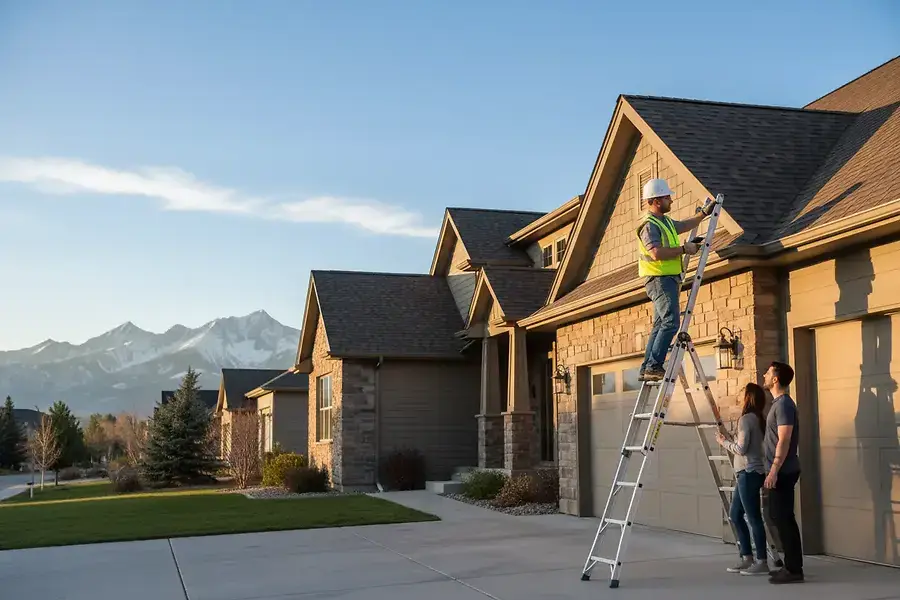
Why Home Inspections Matter in Denver and Englewood Markets
Purchasing a home is one of the most significant financial decisions you'll make. In Denver and Englewood's competitive real estate market, a professional home inspection serves as your critical safeguard against costly surprises after closing. Unlike appraisals, which determine a property's market value, inspections identify structural issues, safety concerns, and maintenance problems that could affect your investment for years to come.
The Colorado real estate market moves quickly, and many buyers feel pressured to waive inspections to remain competitive. This is a mistake. A thorough inspection protects you by revealing hidden defects, estimating repair costs, and providing leverage during negotiations. Whether you're buying a historic home in Denver's Capitol Hill neighborhood or a newer property in Englewood, an inspection is your opportunity to understand exactly what you're purchasing.
The Real Cost of Skipping an Inspection
Homes in the Denver-Englewood area face unique challenges due to Colorado's climate, altitude, and soil conditions. Foundation issues, roof damage from hail storms, and HVAC problems are common concerns that only a trained inspector can properly assess. Without an inspection, you could inherit tens of thousands of dollars in unexpected repairs.
Key Areas Inspectors Examine and Red Flags to Watch For
Structural Components and Foundation
Inspectors begin by examining the foundation, walls, and overall structural integrity. In Colorado, expansive clay soils can cause foundation settling and cracking. Look for:
- Visible cracks in the foundation or basement walls
- Uneven floors or doors that don't close properly
- Water stains indicating past or present moisture problems
- Bowing or leaning walls
Roof and Exterior
Colorado's hail storms and intense sun exposure take a toll on roofing materials. Inspectors assess shingle condition, flashing integrity, and gutter functionality. Red flags include:
- Missing or curled shingles
- Visible hail damage or granule loss
- Deteriorated flashing around chimneys and vents
- Clogged or damaged gutters
- Roof age exceeding 20 years
Plumbing Systems
Water quality and plumbing reliability are essential. Inspectors check for:
- Water pressure and flow issues
- Corroded or outdated pipes (galvanized or polybutylene)
- Leaks under sinks or around toilets
- Proper water heater operation and age
- Sump pump functionality in basements
Electrical Systems
Outdated electrical systems pose safety and functionality risks. Inspectors evaluate:
- Panel capacity and condition
- Proper grounding and bonding
- Presence of outdated fuses or double-tapped breakers
- GFCI outlets in wet areas
- Adequate outlets and circuit capacity for modern living
HVAC and Climate Control
Denver's temperature extremes make reliable heating and cooling critical. Inspectors assess:
- Furnace and air conditioning unit age and condition
- Proper ventilation and ductwork
- Thermostat functionality
- Maintenance records and service history
Interior Conditions
Beyond major systems, inspectors examine walls, ceilings, floors, windows, and doors for damage, moisture, and functionality. Pay special attention to:
- Signs of water damage or mold
- Window and door operation
- Flooring condition and stability
- Insulation adequacy
How to Prepare for and Understand Your Inspection Report
Before the Inspection
Preparation sets the stage for a thorough examination. Before your inspector arrives:
- Ensure the property is accessible, including attics, basements, and crawl spaces
- Request that utilities remain on so systems can be tested
- Ask your real estate agent about any known issues
- Plan to attend the inspection if possible
Attending the inspection allows you to ask questions directly and understand the inspector's findings in real-time. This is invaluable for making informed decisions.
Decoding Your Inspection Report
Professional inspection reports typically categorize findings as:
- Safety Issues: Immediate concerns requiring urgent attention
- Major Repairs: Significant problems affecting home value or livability
- Minor Repairs: Small issues that don't impact safety or function
- Maintenance Items: Routine upkeep recommendations
Don't panic if your report identifies issues. Most homes have some findings. The key is understanding which items are deal-breakers and which are manageable.
Getting a Second Opinion
For major findings, consider hiring a specialist. If the inspector identifies significant roof damage, foundation concerns, or electrical issues, a specialized contractor can provide detailed estimates and recommendations.
Next Steps: Using Inspection Results to Negotiate and Close
Negotiation Strategies
Your inspection report is a powerful negotiation tool. You have several options:
- Request repairs: Ask the seller to fix identified issues before closing
- Request credits: Negotiate a price reduction to cover repair costs yourself
- Request escrow: Hold funds in escrow to ensure repairs are completed
- Walk away: If major issues exceed acceptable limits, you may have grounds to terminate the contract
In Denver and Englewood's competitive market, sellers may resist repair requests. Be strategic—prioritize safety and structural issues over cosmetic concerns. Reasonable requests based on professional inspection findings are typically well-received.
Creating a Repair Timeline
If the seller agrees to repairs, establish clear timelines and standards. Specify that work must be completed by licensed contractors and inspected before closing. Don't assume repairs will be done to your satisfaction without oversight.
Final Walk-Through
Before closing, conduct a final walk-through to verify that agreed-upon repairs were completed satisfactorily. Check that no new damage has occurred and that the property matches the condition you inspected.
Closing with Confidence
A thorough inspection process gives you the knowledge and confidence to close on your Colorado home. You understand what you're purchasing, what repairs may be needed, and what to expect for maintenance and upkeep. This foundation of knowledge protects your investment and helps you make the best decision for your family.
Remember: A professional home inspection is not an expense—it's an investment in your peace of mind and financial security.


