Complete Home Inspection Guide for DFW Mid-Cities Homebuyers
Protect your investment by understanding what inspectors look for in Mansfield, Arlington, Burleson, and surrounding communities.

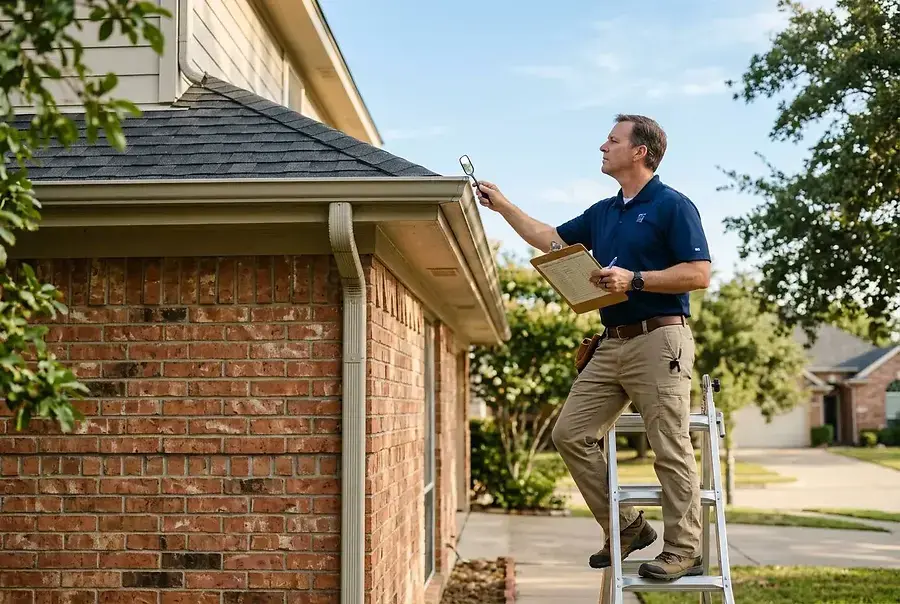
Why Home Inspections Matter in DFW's Competitive Market
The Dallas-Fort Worth metroplex, particularly the Mid-Cities area encompassing Mansfield, Arlington, Burleson, and surrounding communities, represents one of the most competitive real estate markets in Texas. With homes selling quickly and multiple offers becoming the norm, many homebuyers feel pressured to skip or minimize the inspection process. This is a critical mistake that could cost you thousands of dollars in unexpected repairs.
A professional home inspection serves as your objective third-party assessment of a property's condition. In the fast-paced DFW market, this inspection is your opportunity to uncover hidden issues before you commit to a purchase. Whether you're buying a newly constructed home in Arlington or a charming older property in Mansfield, understanding what inspectors look for protects your investment and provides leverage in negotiations.
The inspection period typically lasts 7-10 days, giving you time to review findings and decide on your next steps. Don't waive this contingency—it's your safeguard against costly surprises.
Key Areas Professional Inspectors Examine in Mid-Cities Homes
Structural Components and Foundation
The foundation is the backbone of any home. In the DFW area, where soil composition varies significantly between communities, foundation issues are particularly common. Inspectors examine:
- Cracks in the foundation and concrete slabs
- Signs of settling or shifting
- Water damage or moisture intrusion
- Proper grading and drainage around the foundation
Tip: Homes in areas with clay soil, common in parts of Burleson and surrounding regions, may show more foundation movement than homes built on other soil types.
Roof and Exterior Systems
The Texas sun is relentless on roofing materials. Inspectors evaluate:
- Shingle condition and remaining lifespan
- Flashing around chimneys and vents
- Gutters and downspout functionality
- Exterior siding, trim, and paint condition
- Windows and door seals
A roof replacement can easily exceed $10,000, making this inspection area critical for your budget planning.
HVAC Systems
With DFW summers reaching extreme temperatures, your air conditioning system is essential. Inspectors check:
- Age and condition of the AC unit and furnace
- Proper refrigerant levels
- Ductwork integrity and sealing
- Thermostat functionality
- Filter accessibility and condition
Plumbing and Water Systems
Water-related issues can cause significant damage. Professional inspectors examine:
- Water pressure and flow rates
- Pipe material and condition (galvanized, copper, PVC)
- Water heater age and functionality
- Drainage systems and potential clogs
- Signs of leaks or water damage
Electrical Systems
Safety is paramount. Inspectors verify:
- Panel capacity and breaker condition
- Proper grounding and bonding
- Outlet and switch functionality
- Presence of GFCI outlets in wet areas
- Compliance with current electrical codes
Interior Components
Don't overlook the details inside your future home:
- Drywall condition and water stains
- Flooring integrity and damage
- Cabinet and countertop condition
- Appliance functionality
- Insulation levels in attic and walls
Red Flags and Negotiation Strategies After Inspection Results
Major Red Flags That Require Attention
Foundation issues are the most serious concern. Cracks wider than 1/4 inch, bowing walls, or signs of active movement warrant a structural engineer's evaluation before proceeding.
Roof problems including missing shingles, significant wear, or leaks indicate imminent replacement needs. Request a roofing contractor's estimate.
Electrical hazards such as outdated panels, improper grounding, or missing GFCI outlets pose safety risks and may require costly upgrades.
Plumbing concerns including galvanized pipes (common in older Mid-Cities homes), active leaks, or low water pressure can indicate expensive repairs ahead.
HVAC failures in a system over 15 years old suggest replacement costs in your near future.
Effective Negotiation Strategies
Once you receive your inspection report, you have several options:
- Request repairs: Ask the seller to fix identified issues before closing. This is most effective for straightforward problems with clear solutions.
- Request credits: Have the seller provide a credit at closing to cover repair costs. This gives you control over contractor selection.
- Request price reduction: Negotiate a lower purchase price to account for needed repairs and future maintenance.
- Walk away: If major issues exceed your comfort level or budget, use the inspection contingency to exit the contract.
In the competitive DFW market, sellers often resist major repair requests. Be prepared with contractor estimates to support your negotiation position with concrete numbers.
Work with your real estate agent to determine which strategy makes sense for your situation. In a competitive market, requesting credits often proves more successful than demanding repairs, as it places responsibility on you rather than the seller.
When to Call in Specialists
If the general inspection reveals concerns in specific areas, consider hiring specialists:
- Structural engineer: For foundation or framing concerns
- Roofing contractor: For roof condition assessment
- Plumber: For water pressure or pipe material issues
- Electrician: For electrical system concerns
- HVAC technician: For heating and cooling system evaluation
These specialists provide detailed reports that strengthen your negotiating position.
Making Informed Decisions Before Closing
A thorough home inspection is your most valuable tool in the DFW Mid-Cities real estate market. By understanding what inspectors examine and recognizing red flags, you empower yourself to make informed decisions that protect your investment.
Remember that no home is perfect. The goal isn't to find a flawless property but to understand the property's true condition and plan accordingly. Use inspection findings to negotiate effectively, budget for necessary repairs, and move forward with confidence.
Work closely with your real estate agent and inspector throughout this process. Their expertise, combined with your newfound knowledge, ensures you're making the best decision for your family and your financial future in the DFW Mid-Cities area.


