Complete Home Inspection Guide for Duncan Residential Buyers
Learn what to look for during inspections to protect your investment in Duncan's residential market.

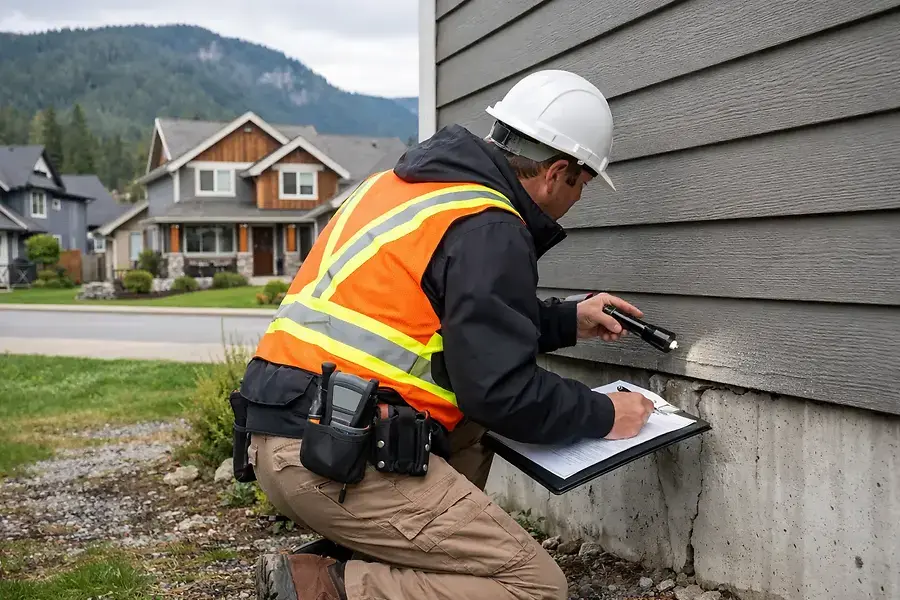
Introduction: Why Home Inspections Matter in Duncan's Market
Purchasing a home is one of the most significant financial decisions you'll make in your lifetime. In Duncan's competitive residential market, a thorough home inspection can be the difference between a sound investment and a costly mistake. A professional home inspection provides an objective assessment of a property's condition, revealing hidden issues that could affect your safety, comfort, and financial well-being.
Many buyers in Duncan overlook the importance of inspections or rush through the process to close deals quickly. However, taking the time to understand what inspectors look for can empower you to make informed decisions and negotiate repairs or price adjustments before signing on the dotted line.
Key Areas Inspectors Evaluate: Foundation, Roof, and Systems
Foundation and Structural Integrity
The foundation is the backbone of any home. Inspectors examine the foundation for cracks, settling, water damage, and signs of structural movement. In Duncan's climate, foundation issues can develop due to soil conditions and weather patterns. Look for:
- Visible cracks in the foundation walls or basement floors
- Water stains or evidence of moisture intrusion
- Uneven floors or doors that don't close properly
- Bowing walls or signs of structural settling
A solid foundation ensures the entire structure remains stable and safe for years to come.
Roof Condition and Longevity
Your roof protects everything beneath it, making its condition critical. Inspectors evaluate roofing materials, age, and signs of wear or damage. Duncan's weather can be harsh on roofs, so inspectors look for:
- Missing or damaged shingles that expose underlying materials
- Sagging areas indicating structural problems
- Flashing issues around chimneys, vents, and skylights
- Moss or algae growth suggesting moisture retention
- Age of the roof and remaining lifespan
A roof replacement can cost thousands of dollars, so understanding its current condition is essential for budgeting future maintenance.
Electrical, Plumbing, and HVAC Systems
These critical systems keep your home comfortable and functional. Inspectors examine:
- Electrical panels for proper installation and safety compliance
- Wiring to ensure it meets current standards
- Water heater condition and age
- Plumbing fixtures for leaks and proper drainage
- HVAC systems for efficiency and functionality
- Insulation and ventilation in attics and crawl spaces
Outdated or malfunctioning systems can lead to expensive repairs and higher utility bills. Understanding their condition helps you plan for replacements or upgrades.
Red Flags and Deal-Breakers to Watch For
Serious Structural Issues
Structural problems are among the most expensive to repair. If an inspector identifies foundation cracks, severe settling, or water damage affecting the home's integrity, these are major red flags. Don't ignore these issues—they can worsen over time and compromise the entire property.
Mold and Water Damage
Mold growth and water intrusion indicate ongoing moisture problems. These issues can affect air quality, cause health concerns, and lead to extensive remediation costs. Look for:
- Visible mold in basements, attics, or crawl spaces
- Water stains on ceilings or walls
- Musty odors indicating hidden moisture
- Evidence of previous water damage or flooding
Outdated or Unsafe Electrical Systems
Older homes in Duncan may have outdated electrical systems that don't meet current safety standards. Aluminum wiring, knob-and-tube wiring, or insufficient grounding pose fire hazards and may require complete rewiring—a significant expense.
Plumbing Problems
Corroded pipes, slow drains, or water pressure issues can indicate serious plumbing problems. Galvanized pipes, common in older Duncan homes, may need replacement. Sewer line issues are particularly costly to address.
HVAC System Failures
If the heating or cooling system is nearing the end of its lifespan or showing signs of failure, budget for replacement costs. A new HVAC system can be a substantial investment.
Pest Infestations
Evidence of termites, rodents, or other pests requires immediate attention. These infestations can cause structural damage and health hazards. Professional pest control and remediation may be necessary.
Conclusion: Making Informed Decisions Before Closing
A comprehensive home inspection is your best defense against purchasing a property with hidden problems. By understanding what inspectors evaluate and recognizing red flags, you can make confident decisions that protect your investment in Duncan's residential market.
Remember these key takeaways:
- Always hire a qualified, licensed home inspector
- Attend the inspection and ask questions about findings
- Review the inspection report thoroughly before closing
- Use inspection results to negotiate repairs or price adjustments
- Don't overlook minor issues—they can become major problems
Taking the time to conduct a thorough inspection demonstrates due diligence and ensures you're making one of life's most important decisions with full knowledge of what you're purchasing. Your future self will thank you for the effort invested today.


