Complete Home Inspection Guide for Ellicott City Homebuyers
Discover the critical inspection points that protect your investment in Ellicott City's diverse housing market.

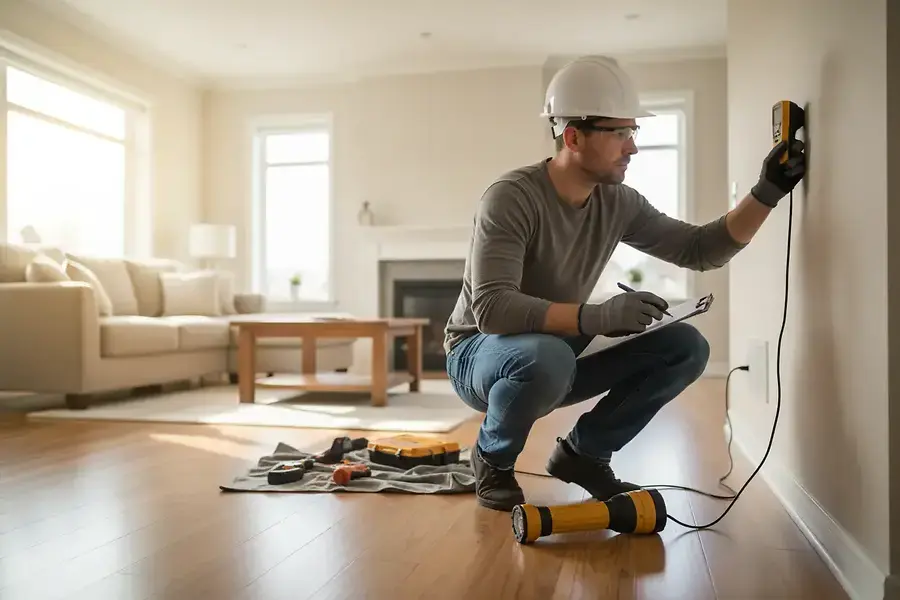
Why Home Inspections Matter in Ellicott City
Purchasing a home is one of the most significant financial decisions you'll make in your lifetime. In Ellicott City's competitive real estate market, a thorough home inspection serves as your critical safeguard against costly surprises after closing. Whether you're buying a charming historic property or a modern new construction, understanding what inspectors evaluate can help you make informed decisions and negotiate effectively.
Home inspections in Ellicott City are particularly important given the area's diverse housing stock. The region features everything from Victorian-era homes built in the 1800s to contemporary developments, each with unique structural considerations and potential issues. A professional inspection provides an objective assessment of a property's condition, helping you understand exactly what you're investing in.
Key Areas Inspectors Focus On in Older and Newer Homes
Foundation and Structural Integrity
Inspectors begin by examining the foundation, which is the backbone of any home. In Ellicott City's older properties, they look for:
- Cracks in the foundation walls or basement floors
- Signs of water intrusion or moisture damage
- Settling or shifting that could indicate structural problems
- Deterioration of mortar between bricks or stones
Newer homes may have different concerns, such as improper grading around the foundation or inadequate drainage systems that could lead to future water problems.
Roofing and Exterior
The roof protects everything beneath it, making its condition paramount. Inspectors evaluate:
- Shingle condition and remaining lifespan
- Flashing around chimneys, vents, and skylights
- Gutters and downspout functionality
- Siding integrity and paint condition
- Window and door seals
Ellicott City's weather patterns mean roofs face significant wear from rain and occasional severe storms. Inspectors pay special attention to proper ventilation and water management systems.
Plumbing Systems
Water-related issues are among the most expensive to repair. Inspectors check:
- Water pressure and flow rates
- Pipe material and condition (galvanized, copper, PVC, or PEX)
- Signs of leaks or water damage
- Water heater age and functionality
- Septic systems or sewer connections
Older Ellicott City homes may have outdated galvanized pipes that are prone to corrosion, while newer homes should have modern, reliable materials.
Electrical Systems
A safe electrical system is non-negotiable. Inspectors examine:
- Panel capacity and condition
- Grounding and bonding
- GFCI outlets in bathrooms and kitchens
- Proper wire gauging and connections
- Any outdated or hazardous wiring
Safety is paramount here—outdated electrical systems in older homes may not meet current building codes and could pose fire hazards.
HVAC and Climate Control
Heating and cooling systems are essential for comfort and energy efficiency. Inspectors assess:
- Furnace or heat pump age and condition
- Air conditioning unit functionality
- Ductwork integrity and insulation
- Thermostat operation
- Energy efficiency ratings
Insulation and Ventilation
Proper insulation affects both comfort and utility bills. Inspectors look for:
- Adequate attic insulation levels
- Proper ventilation to prevent moisture buildup
- Gaps or missing insulation in walls
- Vapor barriers in appropriate locations
Understanding Inspection Reports and Red Flags
What to Look For in Your Report
A comprehensive inspection report should be detailed and easy to understand. It typically includes:
- Photographs of problem areas
- Clear descriptions of findings
- Severity ratings (minor, moderate, major)
- Estimated repair costs when applicable
- Recommendations for further evaluation
Don't be alarmed if the report identifies minor issues—no home is perfect. The goal is to understand what needs attention and budget accordingly.
Critical Red Flags
Certain findings warrant serious consideration:
- Major structural damage: Foundation cracks, severe settling, or wood rot affecting load-bearing elements
- Extensive water damage: Signs of chronic moisture problems or previous flooding
- Outdated electrical systems: Knob-and-tube wiring or inadequate panel capacity
- Roof near end of life: Replacement costs can exceed $10,000
- HVAC system failure: Furnaces and air conditioners are expensive to replace
- Mold or asbestos: Health hazards requiring professional remediation
If your inspector identifies any of these issues, consider obtaining additional specialized inspections before proceeding with your purchase.
Using Inspection Results in Negotiations
Armed with inspection findings, you have several options:
- Request the seller make repairs before closing
- Negotiate a price reduction to cover repair costs
- Ask for credits toward repairs you'll handle yourself
- Walk away if issues are too severe or costly
Your inspector's report is a powerful negotiating tool—use it wisely to protect your investment.
Making Informed Decisions Before You Buy
A home inspection is your opportunity to understand exactly what you're purchasing. In Ellicott City's diverse real estate market, this knowledge is invaluable. Whether you're drawn to the character of a historic home or the efficiency of new construction, a thorough inspection ensures you're making a decision based on facts, not emotions.
Remember: the cost of a home inspection is minimal compared to the potential savings from identifying problems before you buy.
Take time to review the inspection report carefully, ask your inspector questions, and don't hesitate to seek specialized inspections for concerns that warrant deeper investigation. By doing your due diligence now, you'll enjoy your Ellicott City home with confidence, knowing you've made a well-informed investment decision.


