Complete Home Inspection Guide for Fort Worth and Aledo Home Buyers
Discover what professional inspectors examine and how to protect your investment before closing.

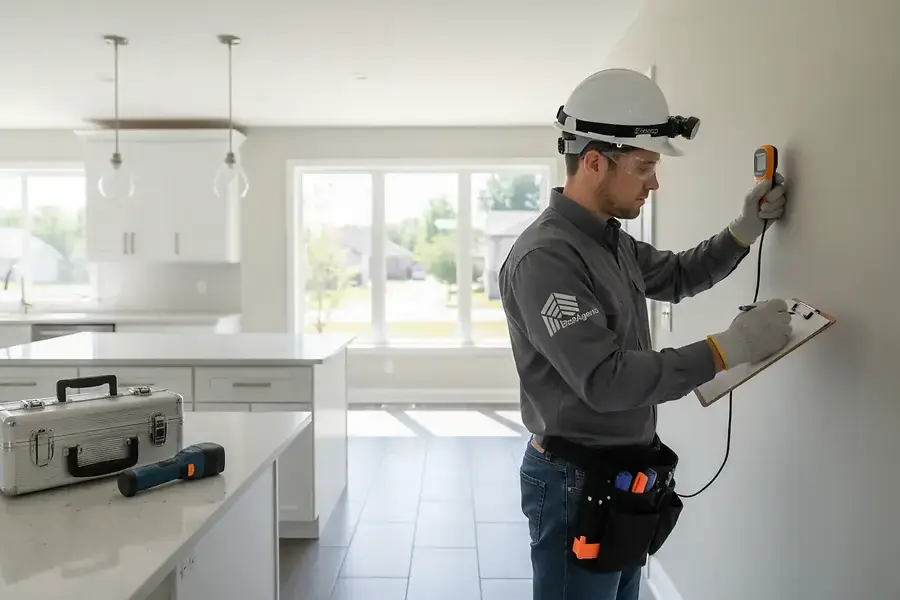
Understanding the Home Inspection Process
A home inspection is one of the most critical steps in the home-buying journey, especially in the Fort Worth and Aledo markets. This comprehensive evaluation typically lasts two to three hours and involves a licensed professional examining the property's structural integrity, systems, and overall condition.
During the inspection, you have the right to be present and ask questions. Many experienced buyers use this time to learn about their potential investment and understand maintenance requirements. The inspector will document findings in a detailed report, which becomes your roadmap for negotiations and future maintenance planning.
What Makes a Professional Inspector
Licensed home inspectors in Texas must meet specific education and certification requirements. Look for inspectors who are members of professional organizations like the Texas Real Estate Commission (TREC) or the American Society of Home Inspectors (ASHI). These credentials ensure they follow standardized inspection protocols and maintain professional liability insurance.
Key Areas Inspectors Examine in North Texas Properties
Foundation and Structural Components
North Texas properties, particularly in Fort Worth and Aledo, sit on clay-heavy soil that can shift seasonally. Inspectors pay special attention to:
- Foundation cracks and settlement patterns
- Exterior wall alignment and bowing
- Interior drywall cracks near doors and windows
- Sloping floors or uneven surfaces
These issues are common in the region and can range from cosmetic to requiring significant repair investment.
Roof and Exterior
The Texas sun and occasional severe weather make roof condition critical. Inspectors examine:
- Shingle age, wear, and missing pieces
- Flashing around chimneys and vents
- Gutters and downspout functionality
- Exterior siding, paint, and weatherproofing
- Windows and door seals
A roof replacement can cost $8,000 to $15,000, making this assessment invaluable for budgeting.
HVAC Systems
Given Fort Worth's hot summers and occasional cold winters, heating and cooling systems are essential. Inspectors test:
- Air conditioning efficiency and refrigerant levels
- Furnace operation and safety
- Thermostat functionality
- Ductwork condition and sealing
- System age and maintenance history
Plumbing and Water Systems
Water quality and plumbing integrity directly affect daily living. Inspectors check:
- Water pressure and flow rates
- Pipe materials and corrosion signs
- Water heater age and condition
- Drain functionality
- Evidence of leaks or water damage
Electrical Systems
Safety is paramount with electrical systems. Professional inspectors verify:
- Panel capacity and breaker functionality
- Outlet grounding and GFCI protection
- Wiring condition and code compliance
- Adequate lighting and switch operation
Red Flags and What They Mean for Your Purchase
Major Structural Issues
Foundation problems are the most serious red flag in North Texas. Horizontal cracks wider than 1/4 inch, stair-step patterns, or significant settling warrant a structural engineer's evaluation. These repairs can exceed $20,000 and affect resale value.
Water Intrusion and Damage
Signs of water damage—including mold, staining, or soft wood—indicate potential moisture problems. This is especially concerning in attics and crawl spaces, where hidden damage can compromise structural integrity and create health hazards.
Outdated or Failing Systems
Aging HVAC systems, water heaters near end-of-life, or electrical panels that need upgrading represent significant future expenses. Factor these costs into your offer negotiations.
Pest Infestation
Evidence of termites, rodents, or other pests requires immediate professional treatment. Termite damage can be extensive and expensive to remediate, potentially affecting structural components.
Code Violations
Unpermitted additions, improper electrical work, or HVAC installations that don't meet current codes create liability and resale challenges. Request documentation of all major work completed on the property.
Taking Action: Next Steps After Your Inspection Report
Review and Understand the Report
Take time to thoroughly read the inspection report. Ask your real estate agent or inspector to explain any technical terms or findings you don't understand. Prioritize issues by severity: safety concerns, major system failures, and cosmetic issues.
Get Professional Evaluations
For significant findings—especially foundation issues, roof problems, or electrical concerns—hire specialists for detailed assessments. A $300-500 specialist evaluation can save thousands in unexpected repairs.
Negotiate Repairs or Credits
You have leverage during this phase. Request that the seller either:
- Make necessary repairs before closing
- Provide credits toward repairs you'll handle
- Reduce the purchase price to account for issues
Be reasonable in your requests—focus on significant issues rather than minor cosmetic concerns.
Plan Your Maintenance Strategy
Use the inspection report as your maintenance roadmap. Schedule preventive care for systems approaching end-of-life and address minor issues before they become major problems. This proactive approach protects your investment long-term.
Final Walk-Through
Before closing, conduct a final walk-through to confirm that agreed-upon repairs were completed satisfactorily. Verify that the property condition matches the inspection report and any negotiated agreements.
A thorough home inspection is your best defense against costly surprises after closing. In the Fort Worth and Aledo markets, understanding local conditions and potential issues ensures you make an informed investment decision.
By taking the home inspection process seriously and following these steps, you'll protect your investment and enter homeownership with confidence and clarity about your property's true condition.


