Complete Home Inspection Guide for Greater Tulsa Area Residential Buyers
Learn what professional inspectors look for and how to protect your investment in properties across Tulsa, Broken Arrow, Owasso, and surrounding communities.

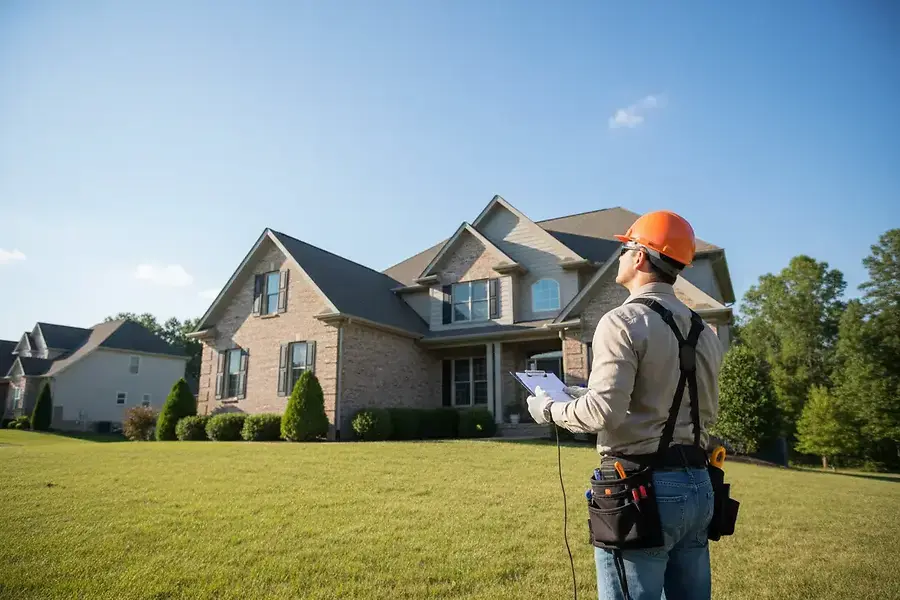
Why Home Inspections Matter in the Greater Tulsa Market
Purchasing a home is one of the most significant investments you'll make in your lifetime. In the Greater Tulsa area—including Tulsa, Broken Arrow, Owasso, and surrounding communities—the real estate market is competitive and diverse. A professional home inspection is your best defense against costly surprises after closing. Inspectors serve as your eyes and ears, identifying potential issues that could affect your safety, comfort, and financial investment.
The Oklahoma climate and regional building practices create unique challenges for homeowners. From severe weather impacts to foundation concerns common in the area, understanding what inspectors look for helps you make informed decisions and negotiate repairs or price adjustments before purchase.
Key Areas Inspectors Evaluate in Residential Properties
Structural Components and Foundation
Inspectors begin by examining the home's foundation, which is critical in the Greater Tulsa region where soil composition can vary significantly. They look for:
- Cracks in the foundation or basement walls
- Signs of settling or shifting
- Water damage or moisture intrusion
- Proper grading around the foundation
Foundation issues are particularly important in Oklahoma, where expansive clay soils can cause movement over time. Early detection can save thousands in repairs.
Roof and Exterior Systems
The roof protects everything beneath it, making its condition paramount. Inspectors evaluate:
- Shingle condition and remaining lifespan
- Flashing around chimneys and vents
- Gutters and downspout functionality
- Siding integrity and weatherproofing
- Window and door seals
Given the Greater Tulsa area's exposure to hail and severe storms, roof condition directly impacts insurance rates and long-term maintenance costs.
Plumbing Systems
Water-related issues are among the most expensive to repair. Inspectors check:
- Water pressure and flow rates
- Pipe material and condition (galvanized, copper, PVC)
- Presence of leaks or water stains
- Water heater age and functionality
- Septic systems or municipal connections
Older homes in the Tulsa area may have outdated plumbing materials that require replacement.
Electrical Systems
Safety is paramount when evaluating electrical systems. Inspectors assess:
- Panel capacity and condition
- Proper grounding and bonding
- GFCI outlets in wet areas
- Outdated wiring (knob-and-tube, aluminum)
- Adequate outlets and circuits
Homes built before the 1980s may have electrical systems that don't meet current safety standards.
HVAC and Climate Control
Oklahoma's temperature extremes make efficient heating and cooling essential. Inspectors evaluate:
- Furnace and air conditioning unit age and operation
- Ductwork condition and insulation
- Thermostat functionality
- Maintenance records
Insulation and Ventilation
Proper insulation reduces energy costs significantly. Inspectors check attic insulation levels, ventilation adequacy, and air sealing to ensure the home is energy-efficient.
Red Flags and Common Issues Found in Tulsa-Area Homes
Water Intrusion and Moisture Problems
The Greater Tulsa area experiences significant rainfall, making water management critical. Common issues include:
- Basement or crawlspace moisture
- Roof leaks causing attic damage
- Poor drainage around the foundation
- Mold growth in damp areas
Water damage is often the most expensive problem discovered during inspections. Addressing drainage issues early prevents catastrophic damage.
HVAC System Age and Efficiency
Many homes in the region have aging heating and cooling systems. Systems over 15 years old may be inefficient and prone to failure during peak seasons when you need them most.
Roof Deterioration
Hail storms and UV exposure age roofs faster in Oklahoma. Inspectors frequently find:
- Missing or damaged shingles
- Granule loss indicating age
- Inadequate ventilation causing premature aging
Outdated Electrical Systems
Older homes may have insufficient electrical capacity for modern appliances and devices. Aluminum wiring, found in many 1960s-1970s homes, poses fire hazards and requires professional evaluation.
Foundation and Structural Concerns
Expansive soils common in Oklahoma can cause foundation movement. Look for diagonal cracks in drywall, doors that stick, or uneven floors—these indicate potential structural issues requiring professional assessment.
Plumbing Material Issues
Galvanized pipes corrode over time, reducing water pressure and quality. Polybutylene pipes, used in homes built in the 1980s-1990s, are prone to failure and may not be insurable.
Making Informed Decisions Before Your Purchase
A professional home inspection typically costs $300-$500 in the Greater Tulsa area but can save you tens of thousands in unexpected repairs. Here's how to maximize its value:
- Attend the inspection if possible—ask questions and learn about the home's systems
- Request a detailed written report with photos of issues found
- Prioritize major systems like roof, HVAC, and foundation over cosmetic issues
- Get repair estimates for significant problems before negotiating
- Consider a specialist inspection for concerns flagged in the general inspection
In the competitive Greater Tulsa real estate market, a thorough home inspection protects your investment and provides peace of mind. Whether you're buying in Tulsa, Broken Arrow, Owasso, or surrounding areas, understanding what inspectors evaluate empowers you to make confident, informed purchasing decisions.
Don't let inspection findings surprise you after closing—use this knowledge to negotiate effectively and invest wisely in your new home.


