Complete Home Inspection Guide for Greensboro Real Estate Buyers
Discover what every buyer should know about inspections to protect their investment in Greensboro's competitive market.

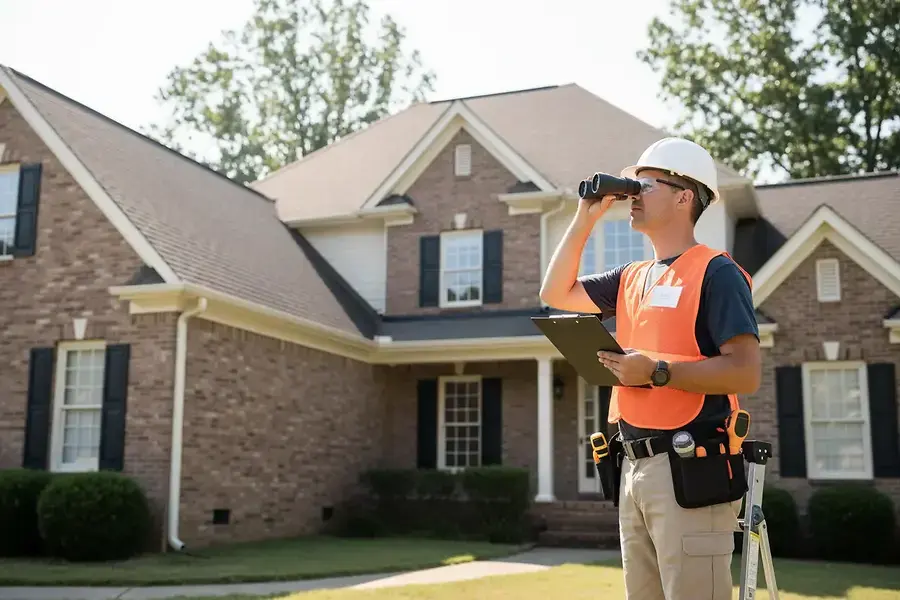
Why Home Inspections Matter for Greensboro Buyers
Purchasing a home is one of the most significant financial decisions you'll make, and in Greensboro's competitive real estate market, it's crucial to protect your investment. A professional home inspection is your opportunity to uncover potential issues before you commit to the purchase. Unlike a simple walkthrough, a comprehensive inspection examines the structural integrity, mechanical systems, and safety features of a property—giving you the knowledge needed to negotiate effectively or walk away if necessary.
In Greensboro's diverse housing market, properties range from historic homes to modern constructions, each with unique considerations. A qualified inspector brings expertise that the average buyer simply cannot provide, identifying problems that could cost thousands to repair after closing. Whether you're a first-time buyer or an experienced investor, understanding the inspection process empowers you to make informed decisions with confidence.
Key Areas Professional Inspectors Examine and Red Flags to Watch For
Structural Components
Professional inspectors begin by evaluating the foundation, walls, and roof structure. They look for cracks in the foundation, water damage, and signs of settling. In Greensboro, where humidity and seasonal weather changes are common, foundation issues are particularly important to monitor. Watch for diagonal cracks, bowing walls, or evidence of previous repairs—these could indicate serious structural problems.
Roofing and Exterior
The roof protects everything beneath it, making its condition critical. Inspectors examine shingles for wear, check flashing around chimneys and vents, and assess gutters and downspouts. Missing or damaged shingles, sagging roof lines, and improper drainage are red flags. The exterior also includes siding, windows, and doors—all should be properly sealed and maintained to prevent water intrusion.
Plumbing Systems
Inspectors test water pressure, check for leaks under sinks and around toilets, and examine the water heater. They'll identify outdated galvanized pipes, slow drains, and corrosion. In older Greensboro homes, plumbing systems may need updating, which can be expensive. Ask about the age and condition of the water heater and main water line.
Electrical Systems
A thorough electrical inspection checks the panel, outlets, and wiring. Red flags include outdated fuse boxes, insufficient outlets, improper grounding, and exposed wiring. Modern homes should have adequate circuits and GFCI outlets in wet areas. Electrical issues pose safety risks and may require professional upgrades.
HVAC Systems
Heating and cooling systems are essential for comfort and efficiency. Inspectors evaluate the furnace, air conditioner, and ductwork. They'll note the age of equipment, maintenance history, and efficiency ratings. Aging systems may need replacement soon, which is a significant expense to factor into your offer.
Interior Conditions
Inspectors examine walls, ceilings, and floors for water damage, mold, and structural issues. They check windows and doors for proper operation and sealing. Water stains, soft spots in flooring, and visible mold indicate moisture problems that could affect your health and the home's integrity.
How to Prepare for Your Inspection and Interpret the Report
Before the Inspection
Schedule your inspection as soon as your offer is accepted. Ensure the home is accessible and utilities are on. Request that the seller provide documentation of recent repairs, maintenance records, and any known issues. Prepare a list of specific concerns or areas you want the inspector to focus on, especially if you've noticed anything unusual during showings.
During the Inspection
Attend the inspection if possible—this is your chance to ask questions and learn about the property firsthand. Walk through with the inspector, take notes, and ask them to explain findings. Don't be shy about requesting clarification on technical terms or asking about the severity of issues. A good inspector will educate you about the home's systems and maintenance needs.
Understanding the Report
Inspection reports typically categorize findings as:
- Major Issues: Structural problems, roof damage, or system failures requiring immediate attention
- Minor Issues: Small repairs or maintenance items that don't affect safety or function
- Recommendations: Suggested upgrades or maintenance for optimal performance
The report should include photos, descriptions, and estimated costs for repairs. Don't ignore minor issues—they can accumulate and become expensive. Prioritize major concerns and use them as negotiation points with the seller.
Using Inspection Results to Make Confident Purchasing Decisions
Once you have the inspection report, you have several options. Negotiate repairs: Ask the seller to fix major issues before closing. Request credits: Have the seller provide funds at closing to cover repairs you'll handle yourself. Renegotiate price: Use significant findings to justify a lower offer. Walk away: If issues are too extensive or costly, you can terminate the purchase within your inspection contingency period.
In Greensboro's market, being informed gives you leverage. Sellers expect professional inspections, and reasonable requests based on legitimate findings are typically negotiable. Don't let emotions override practical concerns—a thorough inspection protects your investment and your peace of mind.
Remember, a home inspection is not a pass-or-fail evaluation. Every home has some issues; the goal is understanding what you're buying and making an informed decision. By taking the inspection process seriously and using the results strategically, you'll navigate Greensboro's real estate market with confidence and protect your most valuable investment.