Complete Home Inspection Guide for Henderson Residential Buyers
Discover what to look for during inspections to avoid costly surprises and make confident purchasing decisions in Henderson's real estate market.

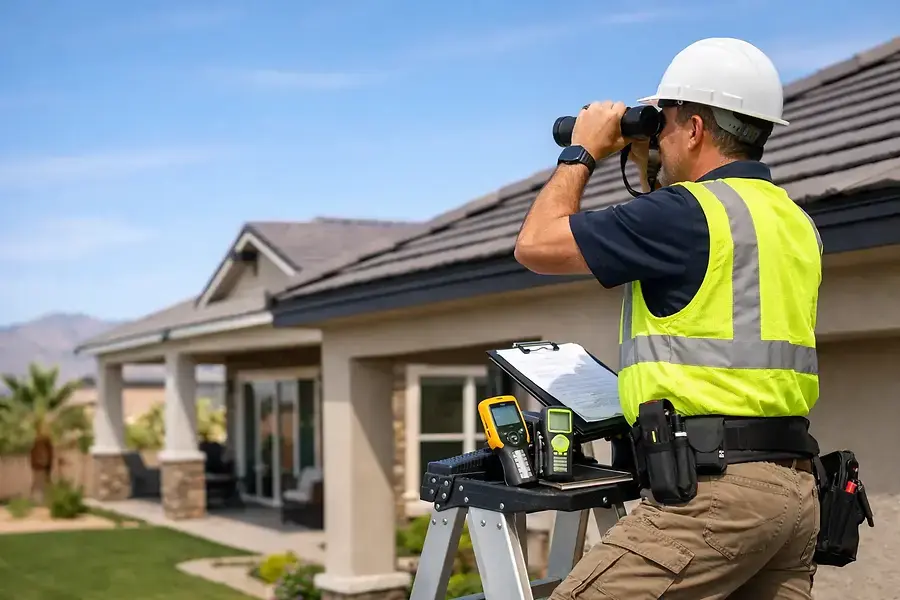
Why Home Inspections Matter in Henderson
Purchasing a home is one of the most significant financial decisions you'll make in your lifetime. In Henderson's competitive real estate market, a thorough home inspection is your best defense against unexpected repairs and costly surprises. A professional inspection provides an objective assessment of your potential property's condition, helping you understand exactly what you're investing in.
Many first-time buyers underestimate the importance of inspections, viewing them as an unnecessary expense. However, inspections can reveal hidden issues that might cost thousands to repair—from foundation problems to electrical hazards. By investing in a comprehensive inspection, you gain valuable leverage for negotiations and peace of mind before closing the deal.
Key Areas Inspectors Examine and Red Flags to Watch
Structural Components
Inspectors begin by evaluating the home's foundation, framing, and overall structural integrity. Look for signs of settling, cracks in the foundation, or water damage that could indicate serious problems. Foundation issues are among the most expensive repairs, so this area deserves careful attention.
Pay special attention to:
- Visible cracks in basement walls or floors
- Uneven or sloping floors
- Gaps between walls and ceilings
- Signs of water intrusion or moisture
Roofing and Exterior
The roof protects everything beneath it, making its condition critical. Inspectors examine shingles, flashing, gutters, and drainage systems. In Henderson's climate, UV damage and weathering can accelerate roof deterioration. A roof replacement can cost $10,000 or more, so understanding its age and condition is essential.
Red flags include:
- Missing or curled shingles
- Sagging roof lines
- Clogged or damaged gutters
- Moss or algae growth indicating moisture retention
Plumbing Systems
Water damage is one of the most common and costly issues in residential properties. Inspectors check for leaks, water pressure, drainage, and the condition of pipes. Older homes may have outdated plumbing materials that require replacement. Ask about the age of the water heater and whether it's been properly maintained.
Watch for:
- Slow drains or backups
- Water stains on ceilings or walls
- Corrosion on visible pipes
- Low water pressure
- Evidence of previous water damage repairs
Electrical Systems
Faulty electrical systems pose serious safety risks, including fire hazards. Inspectors evaluate the main panel, wiring, outlets, and grounding. Homes built before the 1980s may have outdated electrical systems that don't meet current safety standards. Upgrading electrical systems is a significant investment that should factor into your decision.
Common concerns include:
- Outdated fuse boxes instead of circuit breakers
- Insufficient outlets or overloaded circuits
- Aluminum wiring (a fire hazard)
- Missing ground fault circuit interrupters (GFCIs)
HVAC Systems
Heating, ventilation, and air conditioning systems are essential for comfort in Henderson. Inspectors assess the age, condition, and functionality of these systems. A failing HVAC system can cost $5,000 to $15,000 to replace, making this a critical evaluation area.
Key points to evaluate:
- Age of the furnace and air conditioning unit
- Regular maintenance records
- Proper ventilation and ductwork condition
- Thermostat functionality
Interior Conditions
Inspectors examine walls, ceilings, floors, windows, and doors for damage, wear, and functionality. Water stains and mold growth indicate moisture problems that require immediate attention. Check for signs of pest infestations, which can be expensive to remediate.
Understanding Inspection Reports and Next Steps
Interpreting Your Report
A comprehensive inspection report details findings in categories ranging from minor cosmetic issues to major structural concerns. Reports typically use a severity rating system—understand the difference between items that need immediate attention and those that can wait.
The report should include:
- Detailed descriptions of each finding
- Photographs of problem areas
- Severity ratings and urgency levels
- Estimated repair costs when available
- Recommendations for further evaluation by specialists
When to Request Additional Inspections
Some issues warrant specialized inspections by licensed professionals. If the general inspector identifies potential problems with the foundation, roof, electrical system, or HVAC, consider hiring specialists.
Investing in additional inspections now can save you thousands in unexpected repairs later.
Common reasons for specialized inspections:
- Suspected mold or asbestos
- Termite or pest damage
- Septic system issues
- Pool or spa concerns
- Radon testing
Negotiating Based on Inspection Findings
Armed with inspection results, you have leverage in negotiations. You can request the seller make repairs, provide credits toward repairs, or reduce the purchase price. Be realistic about which items are negotiable—sellers are more likely to address major safety concerns than cosmetic issues.
Develop a prioritized list of repairs and their estimated costs. Focus negotiations on items that significantly impact safety, functionality, or long-term value.
Protecting Your Investment with Thorough Due Diligence
A home inspection is your opportunity to make an informed decision about one of life's biggest purchases. Don't skip this critical step or choose the cheapest inspector available. A thorough, professional inspection protects your investment and provides peace of mind.
Remember that no home is perfect—every property has some issues. The goal is to understand what you're buying and make decisions based on complete information. By following this guide and taking inspections seriously, you'll be well-equipped to navigate Henderson's real estate market with confidence and avoid costly surprises down the road.


