Complete Home Inspection Guide for Imperial, NE Residential Buyers
Essential steps to protect your investment and avoid costly surprises when purchasing residential property in Imperial.

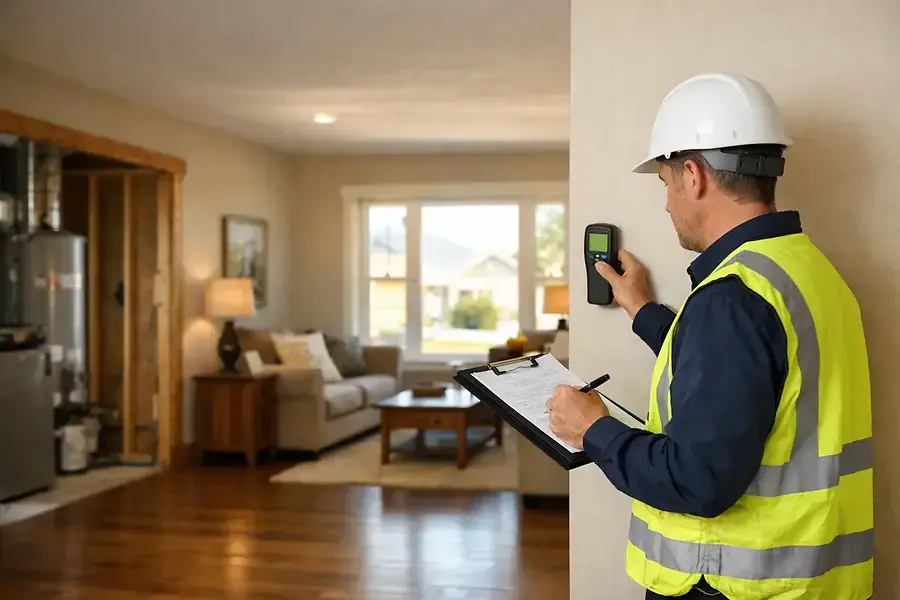
Introduction: Why Home Inspections Matter in Imperial, NE
Purchasing a home is one of the most significant financial decisions you'll make in your lifetime. In Imperial, Nebraska, where residential properties range from historic homes to newer constructions, a comprehensive home inspection is not just recommended—it's essential. A professional home inspection provides you with an objective assessment of your potential property's condition, helping you make informed decisions and negotiate better terms with sellers.
Many buyers underestimate the importance of a thorough inspection, viewing it as an unnecessary expense. However, the cost of a professional inspection—typically between $300 and $500—is minimal compared to the potential expenses of discovering major issues after closing. From foundation problems to outdated electrical systems, early detection can save you thousands of dollars in repairs and provide peace of mind as you settle into your new home.
Key Areas to Inspect: Structural, Systems, and Safety Concerns
Structural Integrity
The foundation and structural components of a home are critical to its longevity and safety. During your inspection, pay close attention to:
- Foundation condition: Look for cracks, settling, or water damage that could indicate serious problems
- Roof condition: Check for missing shingles, leaks, and the overall age and remaining lifespan
- Walls and framing: Inspect for signs of water damage, rot, or structural movement
- Basement and crawl spaces: Assess moisture levels and potential flooding risks
Home Systems and Utilities
The mechanical systems in your home require regular maintenance and eventual replacement. A qualified inspector will evaluate:
- Electrical system: Check for outdated wiring, proper grounding, and adequate capacity for modern appliances
- Plumbing: Test water pressure, inspect pipes for corrosion, and verify proper drainage
- HVAC systems: Evaluate heating and cooling efficiency, age, and maintenance history
- Water heater: Determine remaining lifespan and efficiency rating
Safety and Environmental Concerns
Beyond the visible structure and systems, inspectors also check for potential hazards:
- Asbestos and lead paint: Older homes may contain these hazardous materials
- Mold and moisture: Hidden moisture problems can lead to health issues and structural damage
- Carbon monoxide and radon: These invisible gases pose serious health risks
- Fire safety: Verify proper egress windows, smoke detectors, and fire-rated materials
Common Issues Found in Imperial Homes and What They Mean
Weather-Related Damage
Imperial's climate presents unique challenges for homeowners. Severe weather patterns can cause significant damage to roofs, siding, and foundations. Hail damage is particularly common in the region and may require roof replacement sooner than expected. Wind damage can compromise structural integrity and create entry points for water and pests. When inspectors find these issues, it often means budgeting for repairs within the first few years of ownership.
Aging Infrastructure
Many homes in Imperial were built several decades ago, and their systems reflect their age. Outdated electrical systems may not safely handle modern electrical demands, requiring expensive upgrades. Galvanized plumbing pipes corrode over time, leading to reduced water pressure and potential contamination. Aging HVAC systems become less efficient and more prone to failure. Understanding the age and condition of these systems helps you plan for future replacements.
Water Intrusion and Moisture Problems
Water damage is one of the most costly issues homeowners face. Basement leaks, improper grading, and inadequate drainage can lead to mold growth, structural damage, and foundation problems. In Imperial, where seasonal weather variations occur, proper drainage and waterproofing are crucial investments. Inspectors will identify areas where water may be entering the home and recommend preventative measures.
HVAC and Insulation Deficiencies
Homes with inadequate insulation or aging HVAC systems will have higher utility bills and inconsistent temperature control. Poor attic insulation allows heat to escape in winter and enter in summer, while inadequate weatherstripping creates drafts. These issues are often easily remedied but should be factored into your purchase decision and negotiation strategy.
Conclusion: Making Informed Decisions with Professional Inspection Guidance
A comprehensive home inspection is your opportunity to understand exactly what you're purchasing. Rather than viewing inspection findings as deal-breakers, use them as negotiation tools and planning documents.
A professional inspector serves as your advocate, identifying issues that could affect your safety, comfort, and financial investment.
When you receive the inspection report, take time to understand each finding and its implications. Work with your real estate agent and inspector to prioritize issues by severity and cost. Some problems require immediate attention, while others can be addressed gradually over time. Armed with this knowledge, you can make confident decisions about your Imperial home purchase.
Remember, the goal of a home inspection isn't to find reasons to walk away from a property—it's to ensure you're making an informed decision with full knowledge of the home's condition. Whether you're a first-time buyer or an experienced investor, a professional home inspection is an investment in your peace of mind and financial security.


