Complete Home Inspection Guide for Inland Empire Real Estate Buyers
Protect your investment by understanding what to look for during the home inspection process in Southern California's hottest markets.

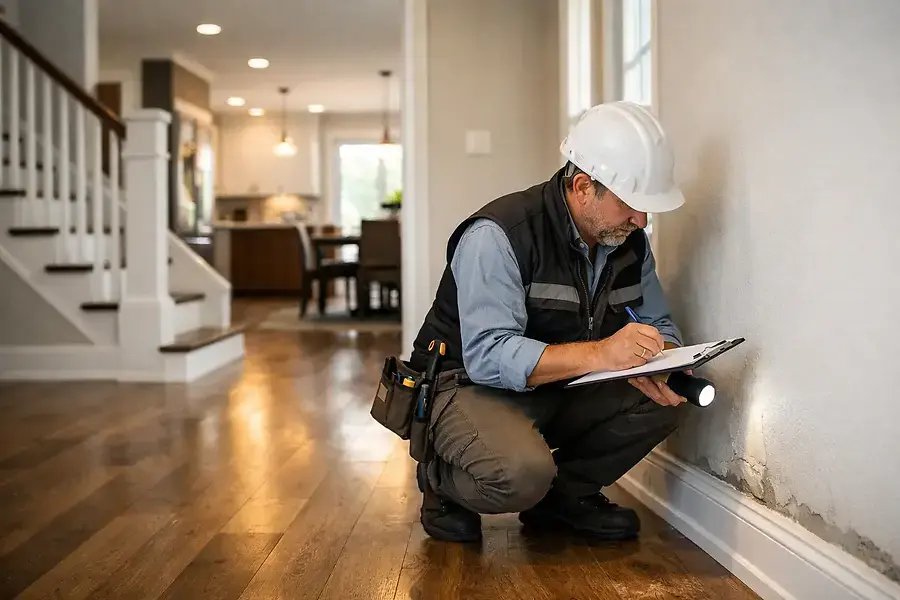
Introduction: Why Home Inspections Matter in Today's Competitive Market
In the fast-paced Inland Empire real estate market, the pressure to make quick decisions can be overwhelming. Buyers often find themselves competing with multiple offers, tight timelines, and the fear of losing out on their dream home. However, skipping or rushing through a home inspection is one of the costliest mistakes you can make. A thorough home inspection is your opportunity to uncover hidden problems before you commit to one of the largest purchases of your life.
The Inland Empire's diverse housing stock—ranging from newly built developments to older, established neighborhoods—means that inspection needs vary significantly from property to property. Whether you're buying in Riverside, San Bernardino, or surrounding areas, understanding what to look for during an inspection can save you thousands of dollars in unexpected repairs and give you the leverage you need in negotiations.
Critical Areas to Evaluate: Foundation, Roof, Plumbing, and Electrical Systems
Foundation and Structural Integrity
The foundation is the backbone of any home, and problems here can be catastrophic. During your inspection, look for:
- Visible cracks in the foundation, basement walls, or crawl spaces—especially horizontal or stair-step patterns
- Water damage or moisture indicating poor drainage or foundation settling
- Uneven floors or doors that don't close properly, which may signal structural movement
- Gaps between walls and the foundation that suggest shifting or settling
In the Inland Empire's climate, foundation issues can develop due to soil composition and temperature fluctuations. A professional inspector will use specialized tools to assess the severity of any concerns and recommend whether repairs are needed.
Roof Condition and Longevity
Your roof protects everything beneath it, making its condition critical. During inspection, evaluate:
- Shingle condition—look for missing, curled, or deteriorated shingles
- Roof age—most roofs last 15-25 years depending on materials and maintenance
- Flashing and seals around chimneys, vents, and skylights
- Gutters and downspouts for proper drainage and signs of water damage
- Interior signs of leaks such as water stains on ceilings or attic moisture
Given the Inland Empire's intense sun exposure, roof deterioration can happen faster than in other regions. A roof replacement can easily cost $10,000-$20,000, so understanding its remaining lifespan is essential for your budget planning.
Plumbing Systems
Water-related issues are among the most expensive to repair. Your inspector should check:
- Water pressure and flow from all fixtures
- Signs of leaks under sinks, around toilets, and in the basement or crawl space
- Pipe material and age—older galvanized or polybutylene pipes may need replacement
- Water heater condition and age (typically 8-12 years for tank models)
- Sewer line integrity through video inspection if available
- Drainage issues in bathrooms and kitchen
Hard water is common in the Inland Empire, which can affect pipe longevity and appliance lifespan. Ask your inspector about water quality and whether a water softener system might be beneficial.
Electrical Systems
Electrical problems pose serious safety risks. Your inspector will evaluate:
- Panel condition and capacity—older homes may have insufficient amperage for modern needs
- Grounding and bonding for safety compliance
- GFCI outlets in bathrooms, kitchens, and outdoor areas
- Outdated wiring such as knob-and-tube or aluminum wiring, which may need replacement
- Proper circuit breakers and absence of double-tapped breakers
- Outlet and switch functionality throughout the home
Electrical upgrades can be expensive, so understanding the current system's safety and capacity is crucial before making an offer.
Red Flags That Could Impact Your Offer or Negotiation Power
Major Warning Signs
Certain findings during inspection should prompt serious consideration:
- Mold or mildew—indicates moisture problems that could affect health and require remediation
- Pest infestation—termites, rodents, or other pests suggest ongoing maintenance issues
- Asbestos or lead paint—common in older homes and require professional abatement
- HVAC system failure—replacement costs $5,000-$10,000 or more
- Structural damage from previous water damage, fire, or natural disasters
- Unpermitted additions or renovations—can create liability and insurance issues
Using Inspection Results in Negotiations
A thorough inspection report gives you powerful negotiation leverage. You can:
- Request repairs be completed before closing
- Ask for credits toward repairs you'll handle yourself
- Renegotiate the purchase price based on repair costs
- Request a professional contractor's estimate for major issues
Pro tip: Always get multiple repair estimates for significant issues. This gives you concrete numbers to present during negotiations and protects you from inflated claims.
Conclusion: Making Informed Decisions Before You Close the Deal
A comprehensive home inspection is not an expense—it's an investment in your peace of mind and financial security. In the competitive Inland Empire market, taking time to thoroughly evaluate a property before purchase separates smart buyers from those who face costly surprises later.
Work with a qualified, licensed home inspector who understands the unique challenges of Southern California properties. Don't rush the process, ask questions, and use the inspection results to make informed decisions about your offer and negotiations.
Your dream home should be a source of joy, not financial stress. By following this guide and taking inspections seriously, you'll protect your investment and move forward with confidence in one of today's most important financial decisions.