Complete Home Inspection Guide for Irving and Frisco Home Buyers
Discover what professional home inspectors look for and how to protect your investment before closing.

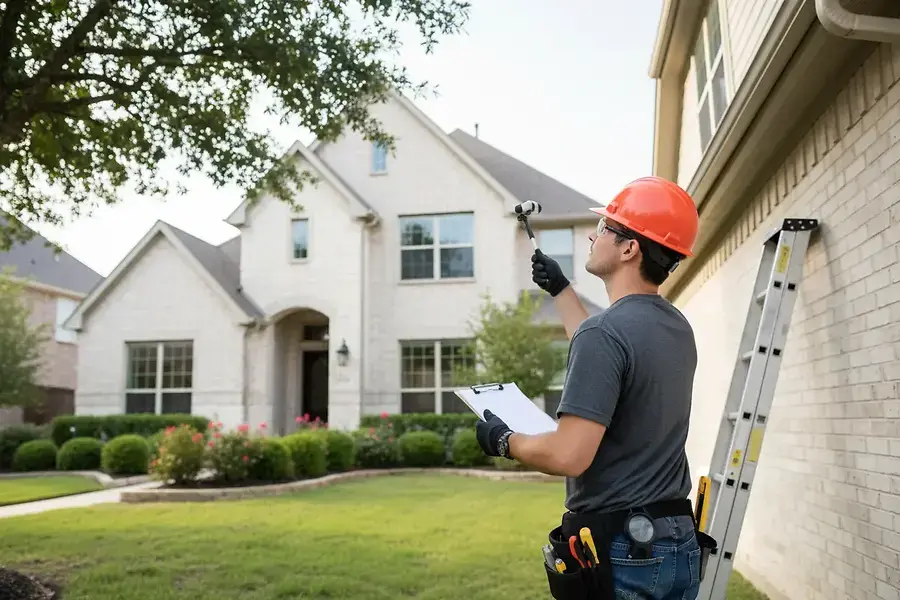
Understanding the Home Inspection Process
A home inspection is one of the most critical steps in the home-buying journey. This comprehensive evaluation by a licensed professional examines the structural integrity, mechanical systems, and overall condition of a property. For buyers in Irving and Frisco, understanding this process can mean the difference between a sound investment and costly surprises down the road.
During a typical home inspection, which usually lasts two to four hours, the inspector will examine both the interior and exterior of the property. They'll create a detailed report documenting their findings, which becomes your roadmap for negotiating repairs or credits with the seller. This inspection period typically occurs within 7-10 days of your offer being accepted, giving you time to review the findings before your final walkthrough.
What to Expect During Your Inspection
Most home inspectors will provide you with a written report that includes photographs and detailed descriptions of any issues found. You have the right to be present during the inspection, and many experts recommend attending to ask questions and gain firsthand knowledge of your potential home's condition. The inspector will test systems, check for safety hazards, and assess the age and condition of major components.
Key Areas Inspectors Evaluate in North Texas Homes
Roof and Exterior
North Texas weather can be harsh on roofing materials. Inspectors will examine:
- Shingle condition and signs of wear or damage
- Flashing around chimneys and vents
- Gutters and downspouts for proper drainage
- Siding, brick, and exterior walls for cracks or deterioration
- Foundation for settling or cracks
HVAC Systems
In Texas, air conditioning is essential. Inspectors evaluate the age, maintenance history, and functionality of your heating and cooling systems. A well-maintained HVAC system can last 15-20 years, but replacement costs can exceed $5,000-$8,000, making this assessment crucial for your budget planning.
Plumbing and Water Systems
Inspectors check for:
- Water pressure and flow rates
- Signs of leaks or water damage
- Water heater condition and age
- Drain functionality
- Presence of outdated galvanized pipes
Electrical Systems
A thorough electrical inspection ensures safety and code compliance. Inspectors will examine the panel, outlets, switches, and wiring throughout the home. Outdated electrical systems or improper installations can pose serious fire hazards and may require upgrades before you move in.
Interior Structures and Appliances
The inspector will evaluate walls, ceilings, floors, doors, windows, and built-in appliances. They'll look for signs of water damage, mold, pest infestation, and structural issues that could affect the home's safety and value.
Red Flags and How to Negotiate Repairs
Common Issues in North Texas Homes
Several issues are particularly common in the Irving and Frisco area:
- Foundation problems: Expansive clay soil can cause settling and cracking
- Roof damage: Hail storms and age-related wear are frequent concerns
- Water intrusion: Poor drainage or aging seals can lead to costly damage
- HVAC inefficiency: Older systems struggle with Texas heat
Negotiation Strategies
Once you receive the inspection report, you have several options. You can request that the seller make repairs before closing, ask for a credit to handle repairs yourself, or negotiate a price reduction. Focus your negotiations on major systems and safety issues rather than cosmetic concerns.
When negotiating, obtain repair estimates from licensed contractors. This gives you concrete numbers to present to the seller and demonstrates that your requests are reasonable and necessary. Be prepared to walk away if major issues aren't adequately addressed—this protects your long-term investment.
When to Be Concerned
Significant foundation damage, extensive mold, outdated electrical systems, or major structural issues should be taken seriously. These problems can be expensive to fix and may indicate deeper issues with the property.
Making Informed Decisions for Your Purchase
Using the Inspection Report Wisely
Don't let the inspection report overwhelm you. Every home has some issues—the question is whether they're manageable and within your budget. Prioritize problems by severity and cost, focusing on items that affect safety, functionality, or long-term structural integrity.
Getting Professional Opinions
For significant issues, consider hiring a specialist. If the inspector notes foundation concerns, hire a foundation engineer. For electrical issues, consult a licensed electrician. These specialists can provide detailed assessments and repair estimates that strengthen your negotiating position.
Planning for Future Maintenance
Even if the inspection reveals no major problems, use the report as a maintenance guide. Understanding the age and condition of your home's systems helps you budget for future replacements and preventative care. Regular maintenance can extend the life of major systems and prevent costly emergency repairs.
Final Walkthrough
Before closing, conduct a final walkthrough to verify that any agreed-upon repairs were completed satisfactorily. Check that the home is in the condition you expected and that all negotiated items have been addressed. This is your last opportunity to identify any new issues or incomplete work.
A thorough home inspection is your best defense against unexpected problems and expenses. By understanding what inspectors evaluate and how to use their findings, Irving and Frisco home buyers can make confident, informed decisions that protect their investment for years to come.


