Complete Home Inspection Guide for Jackson and Ridgeland Buyers
Master the critical inspection process to protect your investment and avoid costly surprises in Mississippi's residential market.

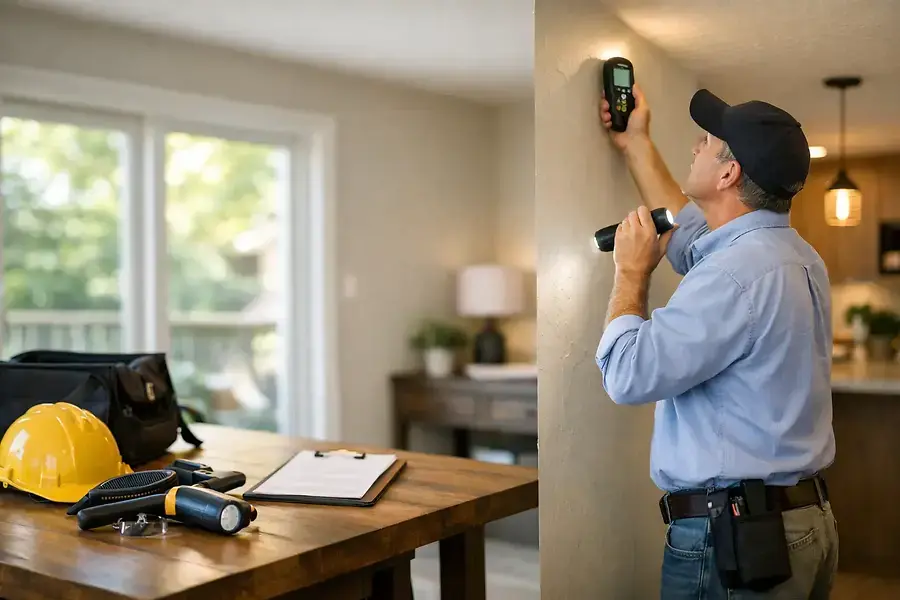
Why Home Inspections Matter: What Every Buyer Needs to Know
Purchasing a home is one of the most significant financial decisions you'll make in your lifetime. A professional home inspection is your safeguard against inheriting expensive problems and hidden defects. In Jackson and Ridgeland's competitive real estate market, buyers who skip or rush through inspections often face regrettable consequences.
A comprehensive home inspection provides an objective, detailed assessment of a property's condition. This critical step protects your investment by identifying structural issues, mechanical failures, and safety hazards before you commit to the purchase. Rather than discovering problems after closing, a thorough inspection gives you the knowledge and leverage to make informed decisions.
Beyond financial protection, inspections offer peace of mind. You'll understand exactly what you're buying and what maintenance or repairs lie ahead. This transparency allows you to budget appropriately and plan renovations strategically.
Key Areas Inspectors Evaluate in Jackson and Ridgeland Homes
Structural Components and Foundation
Inspectors begin by examining the foundation, which is critical in Mississippi's climate where soil conditions and moisture levels fluctuate significantly. They look for cracks, settling, water intrusion, and signs of foundation movement. A compromised foundation can lead to catastrophic repairs costing tens of thousands of dollars.
The roof and exterior structure are equally important. Inspectors assess roofing materials, flashing, gutters, and siding for damage, deterioration, and proper installation. They evaluate how well the home sheds water—essential in Mississippi's humid, rainy climate.
Electrical and Plumbing Systems
Electrical systems are inspected for safety compliance and functionality. Inspectors check the main panel, wiring, outlets, and switches. Outdated or faulty electrical systems pose fire hazards and may require expensive upgrades.
Plumbing inspections include:
- Water pressure and flow rates
- Pipe materials and condition
- Drain functionality
- Water heater age and operation
- Septic system condition (for homes not on municipal systems)
HVAC and Climate Control
Mississippi's hot, humid summers make air conditioning systems crucial. Inspectors evaluate heating and cooling systems for age, efficiency, and proper operation. They assess whether units are appropriately sized for the home and check refrigerant levels and ductwork condition.
Interior Conditions and Safety
Inspectors examine walls, ceilings, and floors for water damage, mold, and structural integrity. They test windows and doors for proper operation and sealing. Water damage and mold are particularly common concerns in Mississippi homes due to humidity levels. Inspectors also check for asbestos, lead paint, and other hazardous materials that may require professional remediation.
Red Flags and How to Respond to Inspection Findings
Major Red Flags That Demand Attention
Foundation issues are the most serious concern. Cracks wider than 1/8 inch, bowing walls, or evidence of water intrusion require professional structural evaluation and may be deal-breakers.
Roof problems are expensive to address. Missing shingles, significant wear, or structural damage may necessitate full replacement—a $10,000+ investment. Request a roofing specialist's assessment if concerns arise.
Mold and water damage indicate moisture control problems. Beyond cosmetic concerns, mold poses health risks and suggests underlying moisture issues that must be resolved.
Electrical hazards including outdated wiring, improper grounding, or overloaded panels require immediate attention for safety and insurance purposes.
How to Respond to Inspection Results
Once you receive the inspection report, take these strategic steps:
- Review thoroughly: Read the entire report and ask your inspector to explain any concerns you don't understand.
- Prioritize issues: Distinguish between critical safety issues, major repairs, and minor maintenance items.
- Get estimates: Obtain repair quotes from licensed contractors for significant findings.
- Negotiate strategically: Use inspection results to request seller repairs, credits, or price reductions for major issues.
- Consult specialists: For serious concerns, hire specialists (structural engineers, mold inspectors, electricians) before making final decisions.
"A thorough home inspection is your best investment in the home-buying process. It provides the information you need to make confident decisions and protects your financial future."
Next Steps: Using Inspection Results to Negotiate and Close Strong
Negotiation Strategies
Armed with inspection findings, you have several negotiation options. Request that the seller complete repairs before closing—this ensures work meets code and you have recourse if problems persist. Alternatively, ask for a credit toward closing costs to handle repairs yourself, giving you control over contractor selection and quality.
For minor issues, consider accepting the property as-is in exchange for a price reduction. This approach works well when repairs are straightforward and you're comfortable managing them.
Final Walk-Through and Closing
Before closing, conduct a final walk-through to verify that agreed-upon repairs were completed satisfactorily. Confirm that the home's condition matches the inspection report and any negotiated agreements.
Keep your inspection report and all documentation for future reference. These records prove invaluable for warranty claims, insurance purposes, and future resale documentation.
Post-Purchase Planning
Use inspection findings to create a maintenance schedule. Address deferred maintenance promptly to prevent small issues from becoming expensive problems. Regular maintenance protects your investment and maintains your home's value.
Consider establishing relationships with reliable contractors in Jackson and Ridgeland for future repairs and maintenance needs. Your real estate agent or inspector can often provide referrals.
A comprehensive home inspection is not an expense—it's an investment in your peace of mind and financial security. By understanding what inspectors evaluate, recognizing red flags, and using inspection results strategically, you'll navigate Jackson and Ridgeland's real estate market with confidence and protect your most valuable asset.


