Complete Home Inspection Guide for Jupiter, FL Residential Buyers
Essential guidance for identifying property issues before making your Jupiter investment.

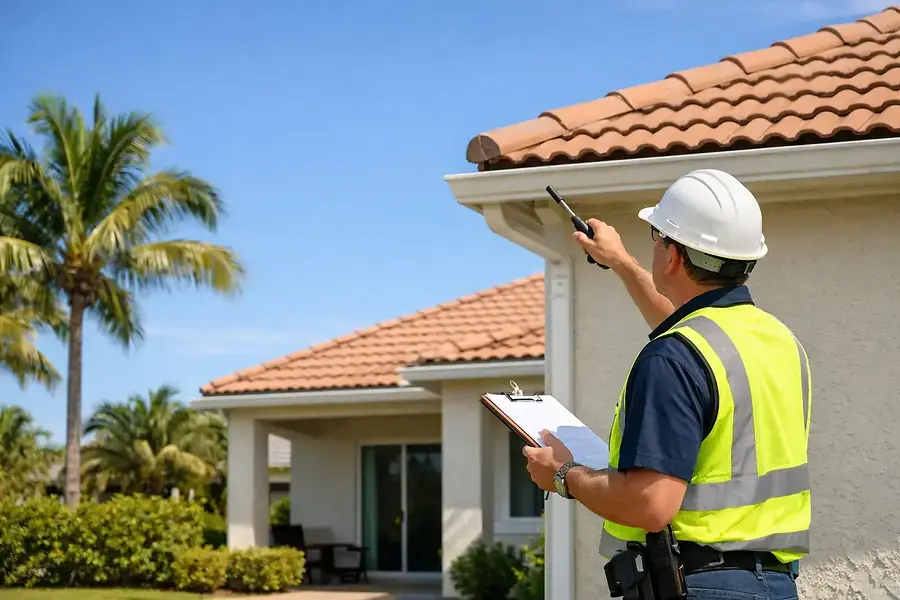
Why Home Inspections Matter in Jupiter's Market
Purchasing a home in Jupiter, Florida is a significant financial decision that requires careful consideration and due diligence. A professional home inspection is one of the most critical steps in the buying process, serving as your safeguard against costly surprises after closing. Jupiter's unique climate, with its tropical weather patterns and proximity to the ocean, creates specific challenges that make thorough inspections essential.
The Jupiter real estate market is competitive, and buyers often feel pressured to make quick decisions. However, skipping or rushing through a home inspection can lead to expensive repairs and structural issues that could have been identified beforehand. A comprehensive inspection provides you with detailed knowledge about the property's condition, allowing you to make informed decisions and negotiate from a position of strength.
Key Areas to Evaluate During Your Home Inspection
Roof and Exterior Structure
Jupiter's intense sun and occasional hurricanes make the roof one of the most critical components to inspect. Look for missing or damaged shingles, signs of wear, and proper ventilation. The exterior walls should be examined for cracks, water damage, and deterioration. Pay special attention to the condition of fascia, soffits, and gutters, as these elements protect your home from water intrusion.
Foundation and Structural Integrity
Florida's sandy soil and high water table can create foundation issues over time. Inspectors should check for cracks in the foundation, uneven settling, and signs of moisture intrusion. Look for evidence of previous repairs and assess whether the home has proper drainage systems in place to manage water runoff.
Plumbing Systems
Hard water and corrosion are common concerns in Jupiter properties. Have the inspector evaluate:
- Water pressure and flow rates
- Condition of pipes and connections
- Functionality of water heaters
- Septic systems or municipal sewer connections
- Evidence of leaks or water damage
Electrical Systems
Ensure the electrical panel is properly grounded and that the home has adequate capacity for modern appliances. The inspector should verify that outlets are properly installed, grounded, and functioning safely. Older homes may have outdated wiring that needs upgrading.
HVAC and Climate Control
Air conditioning systems work overtime in Jupiter's climate. Verify that the AC unit is properly maintained, has adequate refrigerant levels, and operates efficiently. The inspector should also check the ductwork for leaks and proper insulation.
Windows, Doors, and Weatherproofing
Hurricane-resistant windows and doors are important in Jupiter. Inspect for proper sealing, functionality, and any signs of water intrusion around frames. Check that all doors close properly and locks function correctly.
Common Issues Found in Jupiter Residential Properties
Water Damage and Moisture Intrusion
Water damage is the most prevalent issue in Jupiter homes. The combination of high humidity, heavy rainfall, and proximity to the ocean creates ideal conditions for moisture problems. Look for staining on ceilings and walls, soft spots in flooring, and musty odors that indicate mold growth.
Saltwater Corrosion
Homes near the coast experience accelerated corrosion of metal components. Inspect air conditioning units, metal roof flashing, and outdoor fixtures for rust and deterioration. This is particularly important for properties within a few miles of the ocean.
Pest and Termite Damage
Florida's warm climate attracts termites, carpenter ants, and other wood-destroying insects. A thorough inspection should include a pest assessment. Look for mud tubes, hollow-sounding wood, and evidence of previous termite treatments.
Pool and Spa Issues
If the property includes a pool or spa, have these features professionally inspected. Check for cracks, leaks, proper chemical balance systems, and equipment functionality. Pool decks should be evaluated for safety hazards and proper drainage.
Roof Deterioration
Jupiter's intense UV exposure and occasional severe weather accelerate roof aging. Many homes have roofs nearing the end of their lifespan, which can be expensive to replace. The inspector should provide an estimate of remaining roof life.
Outdated Electrical and Plumbing
Older Jupiter homes may have aluminum wiring or outdated plumbing materials that require replacement. These upgrades can be costly and should be factored into your purchase decision.
Using Inspection Results to Negotiate and Protect Your Investment
Once you receive the inspection report, take time to review it thoroughly with your real estate agent and inspector. Don't ignore minor issues—they can compound over time in Florida's climate.
Use the inspection findings to negotiate repairs or credits with the seller. You have several options:
- Request repairs: Ask the seller to fix identified issues before closing
- Request credits: Negotiate a reduction in the purchase price to cover repairs yourself
- Request inspections: For major systems, ask for specialized inspections by licensed contractors
- Walk away: If issues are too extensive, you may decide the property isn't right for you
Remember that your inspection contingency period is your opportunity to thoroughly evaluate the property. Don't rush this process. If the seller refuses to address significant issues, carefully consider whether this investment aligns with your goals and budget.
A professional home inspection is an investment in your peace of mind and financial security. In Jupiter's unique market, where environmental factors create specific challenges, a comprehensive inspection is not optional—it's essential. By understanding what to look for and how to use inspection results effectively, you can make a confident decision and protect your Jupiter real estate investment for years to come.


