Complete Home Inspection Guide for Kalamazoo Home Buyers
A comprehensive guide to understanding what inspectors look for and how to protect your investment before closing on your new Kalamazoo home.

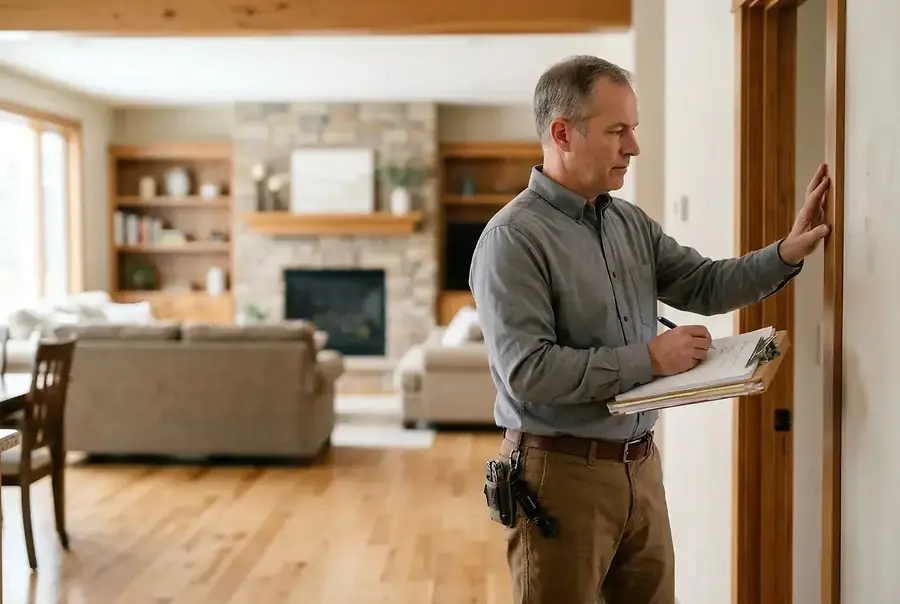
Why Home Inspections Matter in Kalamazoo's Real Estate Market
Purchasing a home is one of the most significant investments you'll make in your lifetime. In Kalamazoo's competitive real estate market, a professional home inspection serves as your financial safeguard and peace of mind. A thorough inspection can reveal hidden problems that could cost thousands of dollars to repair after closing, making it an essential step in the buying process.
Home inspections are particularly important in Kalamazoo, where many properties range from historic Victorian homes to mid-century structures. Each era of construction brings its own unique challenges and potential issues. By investing in a professional inspection, you're not just buying a house—you're making an informed decision about your family's future home.
Common Issues Found in Kalamazoo Homes and What They Mean
Roof and Exterior Concerns
Kalamazoo's weather patterns, including heavy snow and ice during winter months, take a toll on roofing systems. Inspectors typically look for:
- Missing or damaged shingles – Can lead to water infiltration and attic damage
- Flashing issues – Improperly sealed areas around chimneys and vents allow water entry
- Gutter problems – Clogged or damaged gutters prevent proper water drainage
A roof replacement can cost $8,000 to $15,000 or more, so this is a critical area to assess carefully.
Foundation and Basement Issues
Many Kalamazoo homes experience basement moisture problems due to the region's soil composition and water table levels. Common findings include:
- Cracks in the foundation – Some are cosmetic, while others indicate structural concerns
- Water staining and efflorescence – White mineral deposits indicating past water intrusion
- Mold growth – A serious health concern requiring professional remediation
HVAC and Plumbing Systems
Older Kalamazoo homes often have aging heating and cooling systems. Inspectors evaluate furnace efficiency, air conditioning functionality, and overall system age. Plumbing issues commonly discovered include outdated galvanized pipes, which can restrict water flow and affect water quality.
Electrical Systems
Outdated electrical panels, insufficient outlets, and aluminum wiring are frequently found in older homes. These issues may require upgrades to meet current safety standards and support modern appliance usage.
Questions to Ask Your Inspector and Red Flags to Watch For
Essential Questions to Ask
Don't be shy about asking your inspector detailed questions. Consider asking:
- "What is the expected lifespan of major systems like the roof, furnace, and water heater?" – This helps you budget for future replacements
- "Are there any safety concerns I should know about immediately?" – Prioritize urgent issues
- "What maintenance recommendations do you have?" – Preventative care can extend system life
- "How serious are the issues you found, and what would repairs cost?" – Get realistic estimates
- "Would you recommend a specialist inspection for any particular area?" – Some issues warrant expert evaluation
Red Flags That Demand Attention
Structural problems such as significant foundation cracks, bowing walls, or sagging floors indicate serious issues requiring structural engineer evaluation. Mold and moisture problems suggest potential health hazards and costly remediation. Outdated electrical systems with aluminum wiring or insufficient grounding pose fire risks. Asbestos or lead paint in older homes require professional testing and safe removal.
If your inspector uses phrases like "major concern," "safety hazard," or "recommend specialist evaluation," take these seriously and investigate further before proceeding.
Using Inspection Results to Negotiate and Make Confident Offers
Leverage Your Inspection Report
A detailed inspection report is your negotiating tool. Once you receive the results, you have several options:
- Request repairs – Ask the seller to fix critical issues before closing
- Negotiate a price reduction – Reduce your offer to account for repair costs you'll handle
- Request a credit at closing – Receive funds to cover repairs after purchase
- Walk away – If issues are too severe or costly, you can terminate the contract
Making Strategic Negotiations
Focus your negotiation requests on items that are expensive to repair or pose safety concerns. Minor cosmetic issues typically aren't worth negotiating over. Be reasonable in your requests—sellers are more likely to accept requests for major system repairs than demands for cosmetic upgrades.
Document everything in writing through your real estate agent. Ensure any agreed-upon repairs are completed by licensed contractors and verified before closing. Request receipts and warranties for all work performed.
Building Confidence in Your Purchase
A thorough home inspection transforms you from a nervous buyer into an informed one. You'll understand exactly what you're purchasing, what maintenance lies ahead, and what budget you need for repairs. This knowledge allows you to move forward with confidence, knowing you've done your due diligence.
Remember, no home is perfect. The goal of an inspection isn't to find a flawless property—it's to ensure there are no surprises after you've signed the papers. By understanding the inspection process and using the results strategically, you're protecting your investment and setting yourself up for success in Kalamazoo's real estate market.
"A home inspection is not an expense—it's an investment in your peace of mind and financial security."


