Complete Home Inspection Guide for Kapolei Residential Buyers
Discover what professional inspectors look for and how to protect your investment in Kapolei's dynamic real estate market.

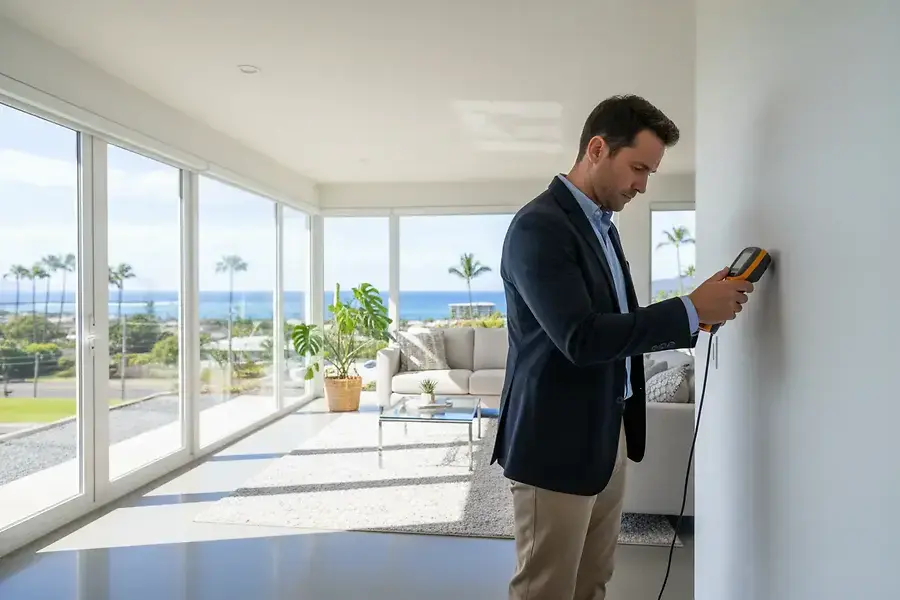
Understanding the Home Inspection Process in Kapolei
Purchasing a home in Kapolei is one of the most significant investments you'll make. A professional home inspection is your opportunity to uncover potential issues before closing the deal. In Hawaii's unique climate, inspections are particularly crucial as homes face distinct environmental challenges.
A typical home inspection in Kapolei takes between two to four hours, depending on the property's size and age. During this time, a certified inspector will systematically examine the home's structure, systems, and components. The inspector will provide you with a detailed written report documenting their findings, which becomes essential for your decision-making process.
What to Expect During Your Inspection
You have the right to be present during the inspection. In fact, it's highly recommended that you attend. This allows you to ask questions directly and understand the inspector's concerns firsthand. The inspector will walk through every accessible area of the home, testing systems and looking for signs of wear, damage, or defects.
The inspection report will categorize findings by severity—from minor cosmetic issues to major structural concerns. Understanding this categorization helps you prioritize which issues need immediate attention and which can be addressed later.
Key Areas Inspectors Focus On in Hawaii Homes
Roof and Weather Protection
Hawaii's intense sun, salt air, and occasional heavy rains make the roof critical. Inspectors examine shingles for deterioration, check for proper ventilation, and assess flashing around chimneys and vents. In Kapolei's climate, roof condition directly impacts your home's longevity and energy efficiency.
Plumbing Systems
Hawaii's corrosive salt air affects metal pipes significantly. Inspectors test water pressure, check for leaks, examine the water heater, and assess the overall plumbing infrastructure. They'll look for signs of corrosion, rust, and proper drainage throughout the home.
Electrical Systems
A thorough electrical inspection includes checking the panel, outlets, switches, and grounding. Given Hawaii's humidity and salt exposure, inspectors pay special attention to potential corrosion and moisture damage that could compromise electrical safety.
HVAC and Cooling Systems
Air conditioning is essential in Kapolei. Inspectors evaluate the system's age, condition, and efficiency. They check refrigerant levels, filter conditions, and whether the system adequately cools the entire home. A failing AC system can be expensive to replace.
Foundation and Structural Integrity
The foundation is your home's backbone. Inspectors look for cracks, settling, water intrusion, and signs of pest damage. Hawaii's volcanic soil and occasional seismic activity make foundation assessment particularly important in Kapolei.
Windows, Doors, and Exterior
Salt air corrosion affects aluminum frames and hardware. Inspectors check for proper sealing, functionality, and signs of water damage. They also examine the exterior walls, paint condition, and any visible damage from weather exposure.
Red Flags and How to Respond to Inspection Results
Understanding Severity Levels
Not all inspection findings are deal-breakers. Inspectors typically categorize issues as:
- Minor Issues: Cosmetic problems or items with minimal impact on home function
- Moderate Issues: Problems that should be addressed but aren't immediately dangerous
- Major Issues: Significant defects requiring immediate attention and potentially expensive repairs
Common Red Flags in Kapolei Homes
Water Damage and Mold: Hawaii's humidity creates ideal conditions for mold growth. Extensive water damage or mold indicates serious underlying issues that require professional remediation.
Structural Damage: Cracks in the foundation, sagging floors, or compromised framing are serious concerns that affect the home's safety and value.
Outdated Electrical Systems: Homes with aluminum wiring or insufficient grounding pose safety risks and may require expensive upgrades.
Failed HVAC Systems: A non-functional air conditioning system in Hawaii is a major issue. Replacement costs can exceed $5,000-$10,000.
Your Response Strategy
After receiving the inspection report, take time to review it carefully. Don't panic over minor issues—they're normal in any home. For significant findings, obtain repair estimates from licensed contractors. This documentation becomes crucial for negotiations.
You have several options: request the seller make repairs before closing, ask for a credit toward repairs you'll handle yourself, or renegotiate the purchase price. Some sellers may refuse repairs, which gives you the opportunity to walk away if issues are too severe.
Closing Strong: Using Inspection Findings to Negotiate
Building Your Negotiation Case
Armed with a detailed inspection report and contractor estimates, you're in a strong position to negotiate. Present your findings professionally and factually. Focus on items that affect safety, functionality, or long-term value rather than cosmetic issues.
Strategic Negotiation Tactics
Prioritize Your Requests: Don't overwhelm the seller with dozens of minor issues. Focus on the most significant problems. This approach is more likely to result in productive negotiations.
Provide Documentation: Include contractor estimates and professional assessments with your requests. This demonstrates that your concerns are legitimate and well-researched.
Be Reasonable: Understand that sellers may not accept every request. Be prepared to compromise on some items while standing firm on safety-critical issues.
Protecting Your Investment
Remember that the inspection is your protection mechanism. It's not about finding reasons to back out—it's about ensuring you understand exactly what you're purchasing. A thorough inspection gives you confidence in your investment and helps you plan for future maintenance and repairs.
In Kapolei's competitive real estate market, a well-executed inspection and negotiation process can save you thousands of dollars and prevent costly surprises after closing. Take the process seriously, ask questions, and don't hesitate to walk away if major issues aren't adequately addressed.
A professional home inspection is not an expense—it's an investment in your peace of mind and financial security as a homeowner.


