Complete Home Inspection Guide for Lafayette Property Buyers
Discover what professional home inspectors look for and why this critical step protects your Lafayette property investment.

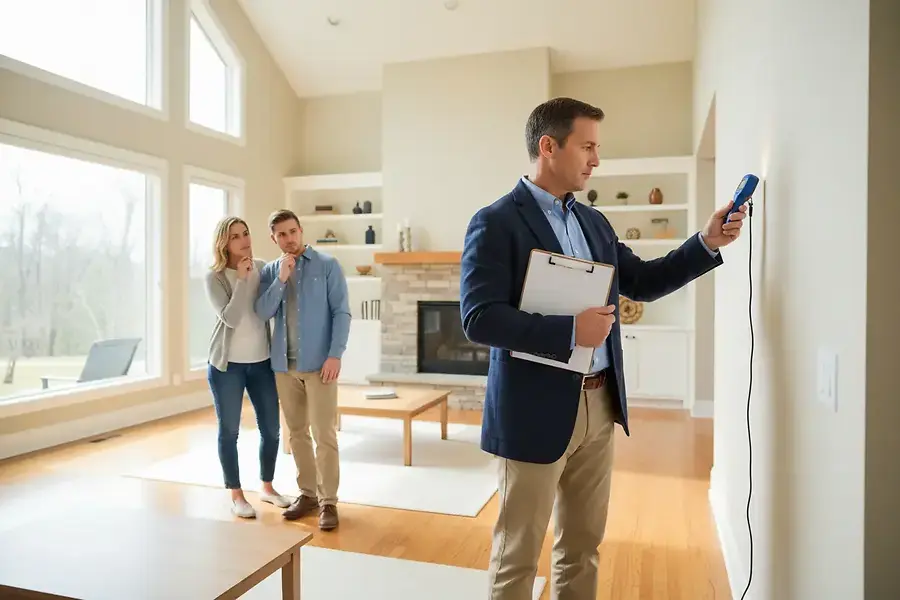
Understanding the Home Inspection Process: What Happens During Your Inspection
A home inspection is one of the most important steps in the property buying process. When you schedule an inspection for your Lafayette home, a certified professional will conduct a thorough examination of the property's structural integrity, systems, and overall condition. This typically takes two to four hours, depending on the size and age of the home.
During the inspection, the inspector will evaluate:
- Structural components – Foundation, walls, roof, and framing
- Electrical systems – Wiring, panels, outlets, and safety features
- Plumbing systems – Pipes, fixtures, water pressure, and drainage
- HVAC systems – Heating, cooling, and ventilation efficiency
- Appliances – Functionality and age of major systems
- Insulation and ventilation – Energy efficiency and moisture control
- Interior and exterior condition – Walls, floors, windows, doors, and siding
As a buyer, you have the right to accompany the inspector and ask questions throughout the process. This is an excellent opportunity to learn about the property's maintenance history and any potential concerns. The inspector will provide a detailed report within 24-48 hours, documenting their findings with photographs and recommendations.
Common Issues Found in Lafayette Homes and How to Address Them
Roof and Attic Problems
Many Lafayette homes experience roof-related issues due to weather exposure and age. Common problems include missing or damaged shingles, improper ventilation, and inadequate insulation. If your inspection reveals roof damage, request a professional roofing contractor's estimate for repairs. Minor issues can often be addressed quickly, while major damage may require roof replacement.
Foundation and Moisture Issues
Foundation cracks and water intrusion are frequent concerns in older Lafayette properties. Small hairline cracks are typically not serious, but larger cracks or signs of water damage warrant further investigation. Ask the seller about any previous water damage, basement flooding, or foundation repairs. Consider hiring a specialized foundation inspector if concerns arise.
Outdated Electrical Systems
Older homes may have outdated electrical panels or insufficient capacity for modern appliances. If the inspection reveals aluminum wiring, knob-and-tube wiring, or an undersized panel, budget for electrical upgrades. These improvements enhance safety and may be required by your insurance company.
Plumbing Concerns
Corroded pipes, low water pressure, and outdated plumbing fixtures are common in established Lafayette neighborhoods. While some issues are cosmetic, others like galvanized or polybutylene pipes may require replacement. Request quotes from licensed plumbers for any necessary work.
Red Flags to Watch For: When to Walk Away from a Property
Serious structural damage is a major red flag that should give you pause. This includes significant foundation cracks, bowing walls, or evidence of settling. Structural repairs are expensive and complex, potentially costing tens of thousands of dollars.
Extensive mold or water damage indicates underlying moisture problems that could affect your health and the home's integrity. If the inspection reveals widespread mold, active leaks, or signs of previous flooding, consider walking away unless the seller agrees to comprehensive remediation.
Outdated or hazardous materials such as asbestos, lead paint, or radon gas require professional remediation. While these can be addressed, the costs and health implications should factor into your decision.
Major system failures affecting the roof, HVAC, or plumbing may indicate poor maintenance. If multiple critical systems need replacement simultaneously, the total cost could exceed your budget and negotiating power.
"A thorough home inspection can save you from costly surprises after closing. Don't skip this step or ignore red flags in the inspection report."
Remember, not every issue discovered during inspection is a deal-breaker. Use the report as a negotiation tool to request repairs, credits, or price reductions from the seller.
Conclusion: Using Inspection Reports to Make Confident Buying Decisions
A comprehensive home inspection provides the information you need to make an informed decision about your Lafayette property purchase. Rather than viewing the inspection as a hurdle, embrace it as an investment in your future.
After receiving the inspection report, take time to review it carefully and discuss findings with your real estate agent. Prioritize issues based on safety, cost, and impact on the home's value. Use the report to negotiate with the seller for repairs or credits, or to decide whether the property aligns with your budget and expectations.
By understanding what inspectors look for and recognizing warning signs, you'll be equipped to protect your investment and move forward with confidence in your Lafayette home purchase.


