Complete Home Inspection Guide for Lexington Kentucky Homebuyers
Discover the critical items every home inspector evaluates to protect your investment in Lexington's competitive real estate market.

Why Home Inspections Matter in Lexington
Purchasing a home is one of the most significant financial decisions you'll make, and in Lexington's competitive real estate market, a thorough home inspection is your best defense against costly surprises. A professional home inspection provides an objective assessment of a property's condition, identifying potential issues before you commit to the purchase. Whether you're a first-time homebuyer or an experienced investor, understanding what inspectors evaluate can help you make informed decisions and negotiate better terms.
In Lexington's diverse housing market—from historic Victorian homes to modern suburban developments—inspectors encounter various property types and conditions. A comprehensive inspection typically takes two to three hours and covers hundreds of components, from the foundation to the roof. This detailed examination can reveal hidden problems that might cost thousands to repair, making the inspection fee one of the best investments you can make.
Structural and Foundation Elements to Evaluate
Foundation and Basement Conditions
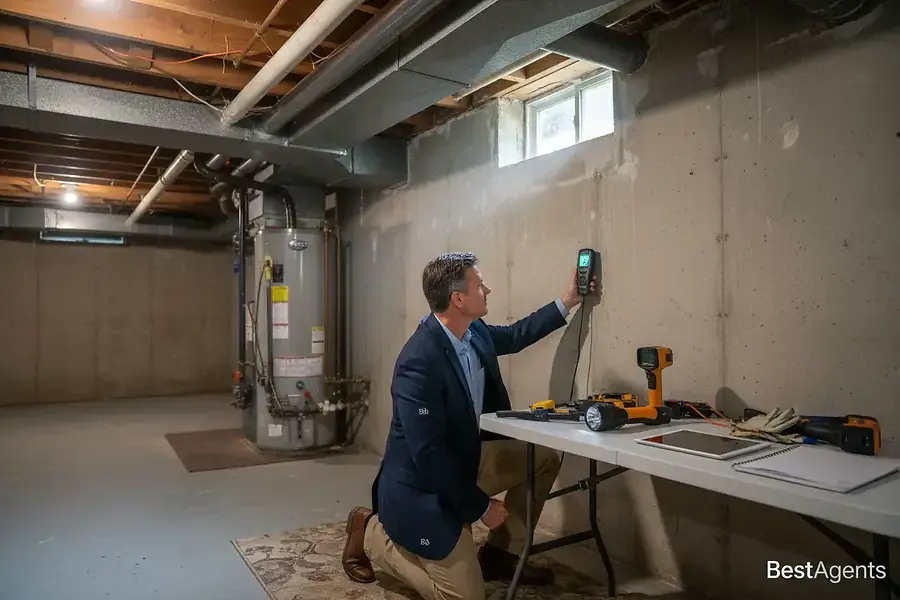
The foundation is the backbone of any home, and inspectors pay close attention to its integrity. They look for cracks, settling, water intrusion, and signs of structural movement. In Lexington, where soil composition varies across neighborhoods, foundation issues can range from minor cosmetic cracks to serious structural concerns. Inspectors examine basement walls for moisture, efflorescence (white mineral deposits), and evidence of water damage that could indicate drainage problems.
Exterior Walls and Roofing
The exterior envelope protects your home from Kentucky's variable weather patterns. Inspectors evaluate:
- Roof condition, including shingles, flashing, and gutters
- Siding integrity and potential water penetration points
- Windows and doors for proper sealing and operation
- Chimneys and vents for damage or deterioration
- Grading and drainage around the foundation
A well-maintained roof is crucial in Lexington, where seasonal weather changes can accelerate wear. Inspectors assess remaining roof life and identify areas needing repair or replacement.
Interior Structural Elements
Beyond visible surfaces, inspectors examine load-bearing walls, floor joists, and attic framing for signs of damage, pest infestation, or inadequate support. They check for proper ventilation in attics and crawl spaces, which is essential for preventing moisture buildup and extending the life of structural components.
Systems and Safety Features Inspectors Prioritize
Electrical Systems
A safe electrical system is non-negotiable. Inspectors evaluate the main panel, checking for proper grounding, adequate capacity, and any outdated components like fuses instead of circuit breakers. They test outlets throughout the home, verify proper GFCI protection in wet areas, and identify any aluminum wiring—a concern in some older Lexington homes—which requires special attention.
Plumbing and Water Systems
Inspectors assess water pressure, drainage, and the condition of pipes throughout the home. They check for:
- Water heater age, condition, and proper venting
- Galvanized or corroded pipes that may need replacement
- Adequate water pressure and drainage
- Signs of leaks or water damage
- Septic system condition (for properties not on municipal water)
In Lexington, water quality and supply reliability are important considerations, and inspectors verify that systems meet current standards.
HVAC Systems
Heating and cooling systems are critical for comfort and safety. Inspectors examine furnaces, air conditioning units, and heat pumps for proper operation, age, and maintenance history. They verify that systems are appropriately sized for the home and check ductwork for leaks or blockages that reduce efficiency.
Safety Features
Modern homes require specific safety components. Inspectors verify the presence and functionality of:
- Smoke and carbon monoxide detectors
- Fire extinguishers in appropriate locations
- Proper stair railings and handrails
- Ground-fault circuit interrupters (GFCIs) in bathrooms and kitchens
- Adequate egress windows in bedrooms
A thorough home inspection can reveal issues that save you tens of thousands of dollars in unexpected repairs and provide peace of mind about your investment.
Pest and Environmental Concerns
Inspectors look for evidence of termites, rodents, and other pests that can cause significant damage. They also assess potential environmental hazards, including asbestos in older homes, lead-based paint, and radon—a naturally occurring gas that can accumulate in basements and poses health risks.
Using Inspection Results to Negotiate and Protect Your Purchase
Once you receive the inspection report, you have valuable information to guide your next steps. Minor issues like worn caulking or missing outlet covers are typically manageable, but significant findings require careful consideration. You can:
- Request repairs from the seller before closing
- Negotiate a credit toward repairs you'll handle yourself
- Obtain contractor estimates for major issues and adjust your offer accordingly
- Walk away from the deal if problems are too extensive or costly
In Lexington's real estate market, inspection results are powerful negotiating tools. Sellers often expect reasonable requests for repairs, and having a professional report strengthens your position. Don't hesitate to ask your real estate agent or inspector for clarification on any findings—understanding the issues helps you make confident decisions.
A comprehensive home inspection is an investment in your future. By understanding what inspectors evaluate and taking their findings seriously, you protect yourself from costly surprises and ensure that your Lexington home purchase is a sound financial decision. Whether you're buying your first home or your fifth, a thorough inspection provides the confidence and information you need to move forward with your real estate investment.