Complete Home Inspection Guide for Lincoln Residential Buyers
Learn what professional inspectors evaluate and how to protect your investment when purchasing a home in Lincoln.

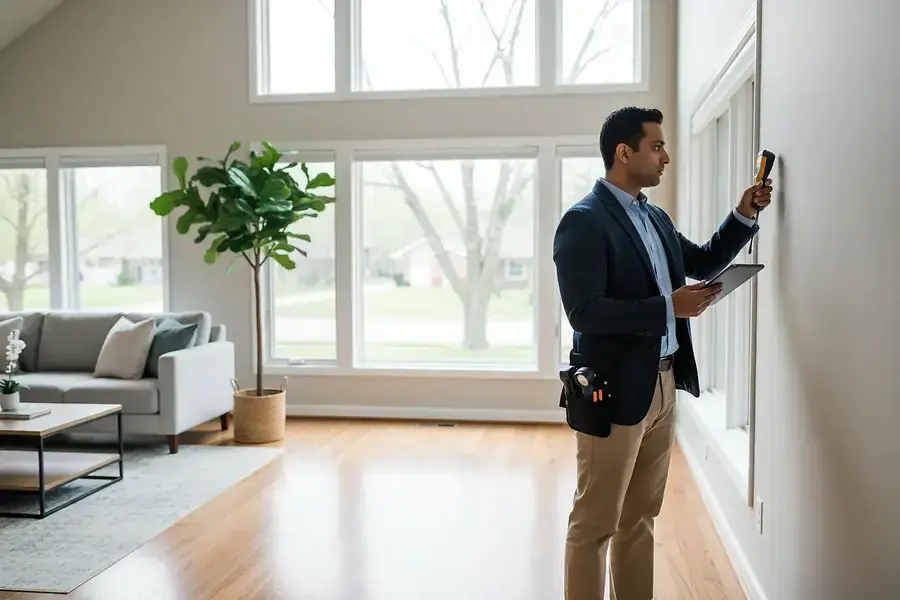
Why Home Inspections Are Critical for Lincoln Buyers
Purchasing a home is one of the most significant financial decisions you'll make in your lifetime. In Lincoln's competitive real estate market, a professional home inspection serves as your safeguard against costly surprises after closing. A thorough inspection provides an objective assessment of your potential property's condition, helping you make informed decisions and negotiate effectively with sellers.
Many first-time homebuyers underestimate the importance of inspections, viewing them as an optional expense. However, skipping this crucial step could leave you responsible for expensive repairs that should have been disclosed or negotiated. A comprehensive inspection typically costs between $300-$500 but can save you thousands in unexpected repairs and provide peace of mind about your investment.
Key Structural and Systems Areas Inspectors Evaluate
Foundation and Structural Integrity
Inspectors begin by examining your home's foundation, which is literally the backbone of your property. They look for:
- Cracks in the foundation walls or floor
- Signs of water damage or moisture intrusion
- Settling or shifting issues
- Proper grading around the foundation
Foundation problems can be extremely costly to repair, making this one of the most critical areas of inspection. Lincoln's soil composition and weather patterns make foundation assessments particularly important for local buyers.
Roof and Exterior
Your roof protects everything beneath it, so inspectors carefully evaluate its condition. They assess:
- Shingle condition and remaining lifespan
- Flashing around chimneys and vents
- Gutters and downspout functionality
- Exterior walls for damage or deterioration
- Windows and doors for proper sealing
A roof replacement can cost $10,000 or more, making this assessment crucial for budgeting your future maintenance needs.
Plumbing Systems
Inspectors test water pressure, check for leaks, and evaluate the overall plumbing infrastructure. Key areas include:
- Water supply lines and shut-off valves
- Drain and sewer lines
- Water heater condition and age
- Visible pipes for corrosion or damage
- Bathroom and kitchen fixtures
Hidden plumbing issues can lead to water damage and mold growth, making thorough evaluation essential before purchase.
Electrical Systems
A qualified inspector examines your home's electrical safety and capacity:
- Panel condition and amperage adequacy
- Grounding and bonding
- Outlet and switch functionality
- Signs of outdated or hazardous wiring
- GFCI protection in wet areas
Electrical problems pose serious safety risks and can be expensive to remediate, making this inspection component non-negotiable.
HVAC Systems
Heating, ventilation, and air conditioning systems are evaluated for:
- Age and remaining lifespan
- Proper operation and efficiency
- Ductwork condition
- Thermostat functionality
- Maintenance history
HVAC replacement can exceed $5,000, so understanding the system's condition helps with long-term budgeting.
Interior Components
Inspectors also evaluate:
- Walls, ceilings, and floors for damage
- Doors and windows operation
- Insulation levels
- Signs of pest infestation or water damage
- Appliances included in the sale
Understanding Your Inspection Report and Next Steps
Decoding the Report
Your inspection report will categorize findings into three main levels: safety issues, major repairs needed, and minor maintenance items. Safety issues require immediate attention, while major repairs should factor into your negotiation strategy. Minor items are typically maintenance tasks that don't affect your purchase decision significantly.
Don't hesitate to ask your inspector questions about findings you don't understand. A reputable inspector will explain issues clearly and discuss potential solutions.
Negotiation Strategies
Armed with your inspection report, you have several options:
- Request repairs: Ask the seller to fix critical issues before closing
- Request credits: Negotiate a price reduction to cover repair costs yourself
- Walk away: If issues are too extensive, you may choose to find another property
- Accept as-is: For minor issues, you might proceed without changes
The key is understanding which findings are deal-breakers and which are manageable. Professional guidance from your real estate agent can help you navigate these negotiations effectively.
Follow-Up Inspections
For significant issues, consider hiring a specialist inspector. Foundation engineers, mold inspectors, or pest control professionals can provide detailed assessments that inform your decision-making process.
Conclusion: Using Inspection Findings to Negotiate and Close Confidently
A professional home inspection is your investment protection tool. By understanding what inspectors evaluate and how to interpret their findings, you empower yourself to make confident purchasing decisions in Lincoln's real estate market.
Remember that no home is perfect—even newly constructed properties have minor issues. The goal is identifying significant problems that affect safety, functionality, or value. Use your inspection report as a negotiation tool, not a reason to panic about minor maintenance items.
Work closely with your real estate agent and inspector to understand findings, explore solutions, and negotiate terms that protect your investment. With this comprehensive approach, you'll close on your Lincoln home with confidence and clarity about what you're purchasing.


