Complete Home Inspection Guide for Maple Grove Residential Buyers
Discover what to look for during your home inspection to avoid costly surprises and make confident purchasing decisions.

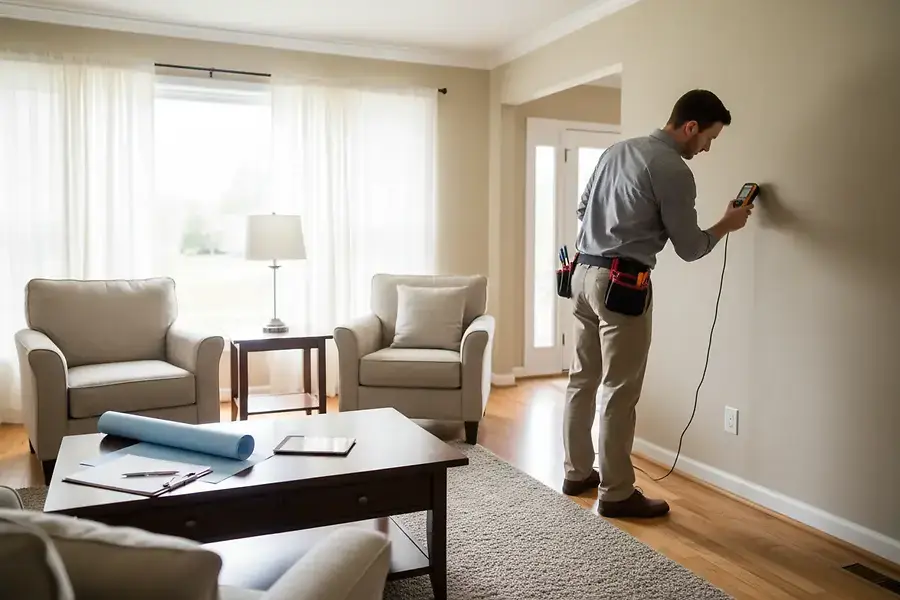
Why Home Inspections Matter in Maple Grove
Purchasing a home is one of the most significant financial decisions you'll make in your lifetime. In Maple Grove, where the real estate market is competitive and diverse, a professional home inspection is your best defense against inheriting costly problems. A thorough inspection provides an objective assessment of a property's condition, helping you understand exactly what you're investing in.
Home inspections serve multiple purposes: they reveal hidden defects, provide negotiating leverage, and give you peace of mind. Whether you're buying a newly constructed home or a property built decades ago, an inspection is essential. Many buyers skip this step to save money, but this false economy can cost thousands in unexpected repairs after closing.
Key Areas Professional Inspectors Examine
Structural Components and Foundation
The foundation is the backbone of any home. Professional inspectors examine the foundation for cracks, settling, and water damage. In Maple Grove, where soil conditions and seasonal changes can affect foundations, this inspection is particularly important. Inspectors look for:
- Visible cracks in concrete or brick
- Signs of water intrusion or moisture
- Uneven floors or doors that don't close properly
- Bowing or leaning walls
Roofing and Exterior
Your roof protects everything beneath it. Inspectors evaluate roof age, condition, and remaining lifespan. They examine shingles for curling, missing pieces, and granule loss. The exterior inspection includes checking siding, gutters, downspouts, and drainage systems. A roof replacement can cost $10,000 to $25,000, making this assessment critical.
Plumbing Systems
Water damage is one of the most expensive problems homeowners face. Inspectors test water pressure, check for leaks under sinks, examine water heaters, and assess the overall plumbing system. They look for:
- Corroded or outdated pipes
- Slow drains or backups
- Water heater condition and age
- Proper grading and drainage around the foundation
Electrical Systems
A safe electrical system is non-negotiable. Professional inspectors examine the main electrical panel, test outlets, and verify that the system meets current safety codes. Outdated wiring or overloaded circuits can pose fire hazards and require expensive upgrades.
HVAC Systems
Heating, ventilation, and air conditioning systems are essential for comfort and indoor air quality. Inspectors evaluate furnace and air conditioning unit age, efficiency, and condition. They check ductwork for leaks and ensure proper airflow throughout the home.
Interior Components
Inspectors examine walls, ceilings, and floors for water stains, cracks, and structural issues. They test windows and doors for proper operation and seal integrity. Attic and basement inspections reveal insulation levels, ventilation, and potential pest problems.
Red Flags and Warning Signs to Know
Water Damage and Moisture Issues
Water damage is a major red flag. Look for water stains on ceilings, walls, or in basements. Musty odors, soft spots in flooring, or visible mold indicate moisture problems. These issues can lead to structural damage, mold growth, and expensive remediation.
Foundation Problems
Cracks wider than 1/4 inch, especially horizontal cracks, warrant serious concern. Stair-step cracks in brick or concrete, bowing walls, or doors that stick and won't close properly all suggest foundation issues that may require professional repair.
Outdated or Unsafe Electrical Systems
Homes with aluminum wiring, knob-and-tube wiring, or insufficient grounding present safety hazards. Insurance companies may refuse to cover homes with these systems. Upgrading electrical systems can be costly and disruptive.
Roof and Exterior Deterioration
A roof nearing the end of its lifespan is a significant expense. Missing shingles, visible rot in fascia boards, or deteriorating siding indicate that exterior work is imminent. Budget accordingly or use this information to negotiate the purchase price.
HVAC System Age and Condition
Furnaces and air conditioning units typically last 15-20 years. If these systems are near or past their expected lifespan, plan for replacement costs. A non-functioning HVAC system in winter or summer can make a home uninhabitable.
Pest Infestations
Evidence of termites, carpenter ants, or rodents requires immediate attention. Pest damage can compromise structural integrity and spread quickly. Professional pest inspection and treatment add to your costs.
Asbestos and Lead Paint
Homes built before the 1980s may contain asbestos in insulation, floor tiles, or roofing materials. Homes built before 1978 likely have lead-based paint. While not always dangerous if undisturbed, these materials require careful handling and professional abatement if removal is necessary.
Using Inspection Results to Negotiate and Protect Your Investment
Once you receive the inspection report, you have several options. Don't panic at the first red flag—every home has some issues. Focus on major problems that affect safety, structural integrity, or significant expenses.
Use the inspection report as a negotiating tool. Request that the seller make repairs, offer a credit toward repairs, or reduce the purchase price to account for necessary work. In Maple Grove's competitive market, your inspection findings give you legitimate leverage.
If major issues emerge, you may have the right to walk away from the deal, depending on your purchase agreement's inspection contingency. Consult with your real estate agent and attorney about your options.
Finally, keep your inspection report for future reference. It serves as a baseline for your home's condition and helps you plan maintenance and repairs. Understanding your home's systems and potential vulnerabilities empowers you to make informed decisions about upkeep and improvements.
A professional home inspection is an investment in your peace of mind and financial security. In Maple Grove's real estate market, this step is not optional—it's essential.
By understanding what inspectors look for and recognizing warning signs, you position yourself to make confident purchasing decisions and protect your investment for years to come.


