Complete Home Inspection Guide for Matawan & Old Bridge Homebuyers
Learn what to look for during inspections to protect your investment in these thriving New Jersey communities.

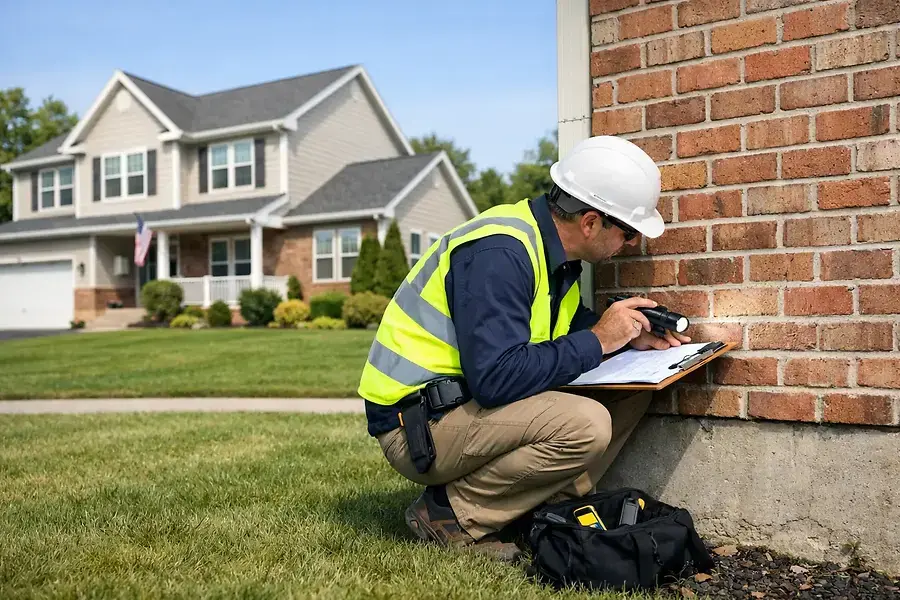
Why Home Inspections Matter in Today's Market
Purchasing a home is one of the most significant investments you'll make in your lifetime. In the competitive real estate markets of Matawan and Old Bridge, New Jersey, a thorough home inspection is your best defense against costly surprises after closing. A professional inspection provides an objective assessment of a property's condition, helping you understand exactly what you're buying and what repairs or maintenance may lie ahead.
Many homebuyers skip or rush through inspections to gain a competitive edge in a fast-moving market. However, this approach can lead to unexpected expenses and safety concerns down the road. A comprehensive inspection typically costs between $300 and $500—a small investment compared to the potential cost of discovering major structural issues or failing systems after you've already purchased the property.
The inspection process serves multiple purposes: It protects your financial investment, identifies safety hazards, reveals deferred maintenance, and provides negotiating leverage before you finalize your offer.
Key Inspection Areas: Structural, Systems, and Safety Concerns
Structural Integrity
The foundation and framing are the backbone of any home. Inspectors will look for cracks in the foundation, signs of settling, water damage, and structural movement. In Matawan and Old Bridge, where many homes were built decades ago, foundation issues are not uncommon due to soil composition and age-related wear.
What to watch for:
- Horizontal or diagonal cracks in basement walls
- Bowing or leaning walls
- Water stains or moisture intrusion
- Gaps between walls and floors
- Uneven or sloping floors
Roofing and Exterior
Your roof is your home's first line of defense against the elements. Inspectors will assess the roof's age, condition, and remaining lifespan. They'll also examine gutters, downspouts, siding, windows, and doors for proper installation and deterioration.
Most asphalt shingle roofs last 15-20 years. If the roof is nearing the end of its life, budget for replacement costs, which can range from $8,000 to $15,000 depending on the home's size and complexity.
Plumbing Systems
Water damage is one of the most expensive issues homeowners face. Inspectors will check for:
- Water pressure and flow
- Leaks under sinks and around toilets
- Corroded or outdated pipes
- Proper drainage and venting
- Water heater condition and age
- Septic system functionality (if applicable)
Older homes in these communities may have galvanized steel pipes that are prone to corrosion, potentially requiring replacement.
Electrical Systems
A safe electrical system is non-negotiable. Inspectors will evaluate the main panel, wiring, outlets, and grounding. They'll identify outdated systems like knob-and-tube wiring or aluminum wiring, which pose fire hazards and may require professional remediation.
Key concerns include:
- Adequate electrical capacity for modern appliances
- Proper grounding and bonding
- GFCI outlets in bathrooms and kitchens
- Presence of arc-fault circuit interrupters (AFCIs)
HVAC Systems
Heating and cooling systems are essential for comfort and can be expensive to replace. Inspectors will assess the furnace, air conditioning unit, ductwork, and thermostat. They'll determine the age and efficiency of these systems and identify any maintenance needs.
Safety Hazards
Professional inspectors also screen for serious health and safety concerns:
- Asbestos: Common in homes built before the 1980s, asbestos poses serious health risks if disturbed
- Lead Paint: Homes built before 1978 may contain lead-based paint, which is hazardous to children
- Mold: Moisture problems can lead to mold growth, affecting air quality and structural integrity
- Carbon Monoxide: Faulty heating systems can produce dangerous carbon monoxide
- Radon: This naturally occurring radioactive gas can accumulate in basements and lower levels
What Sellers Disclose: Understanding Matawan & Old Bridge Property History
New Jersey law requires sellers to provide a comprehensive Property Condition Disclosure Statement. This document outlines known defects, repairs, and maintenance history. However, sellers are only required to disclose what they know about—they're not required to investigate or hire inspectors themselves.
This is where your professional home inspection becomes invaluable. It uncovers issues the seller may not be aware of or may have overlooked. Common disclosure items in Matawan and Old Bridge include:
- Previous water damage or flooding
- Roof repairs or replacements
- Foundation cracks or repairs
- Pest infestations or damage
- Septic system maintenance history
- Neighborhood flooding or drainage issues
Pro Tip: Review the disclosure statement carefully before your inspection, and ask your inspector to pay special attention to any items mentioned. Also, research the property's history through local records and speak with neighbors about any recurring issues in the area.
Making Confident Offers in Your Local Market
Armed with a thorough inspection report, you're in a much stronger position to negotiate. If significant issues are discovered, you have several options:
- Request repairs: Ask the seller to fix major issues before closing
- Negotiate a price reduction: Reduce your offer to account for repair costs
- Request credits: Have the seller provide funds at closing to cover repairs
- Walk away: If issues are too severe, you can terminate the contract (if you included an inspection contingency)
In Matawan and Old Bridge's competitive markets, including an inspection contingency in your offer is crucial. This allows you to back out of the deal if significant problems are discovered, protecting your earnest money deposit.
Final Thoughts: A home inspection is not just a formality—it's your opportunity to make an informed decision about one of the largest purchases of your life. By understanding what to look for and working with a qualified inspector, you'll gain the confidence and knowledge needed to make a strong offer and protect your investment in these vibrant New Jersey communities.


