Complete Home Inspection Guide for North Atlanta Home Buyers
Discover what professional home inspectors look for and why it's crucial before closing on your North Atlanta property.

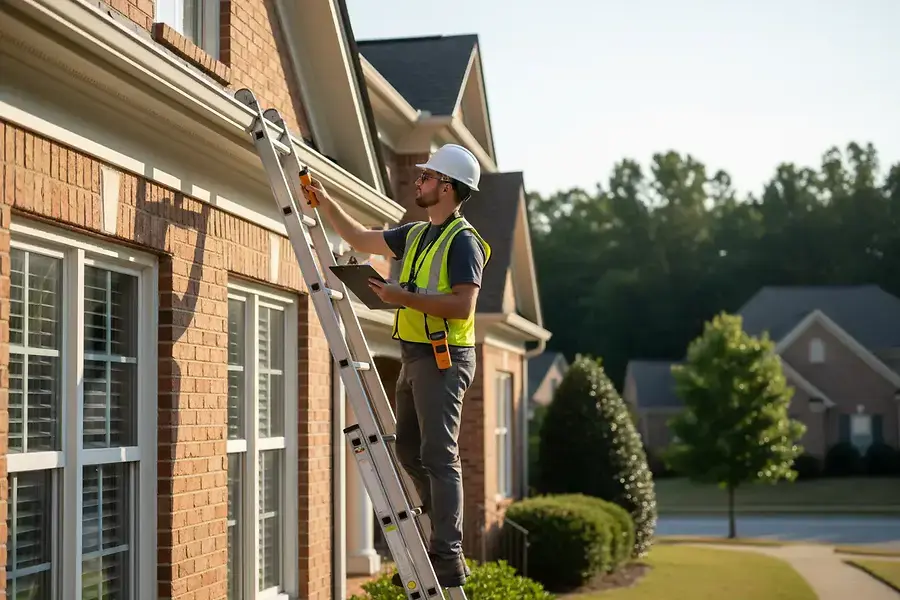
Why Home Inspections Matter in North Atlanta's Competitive Market
In North Atlanta's fast-paced real estate market, the pressure to make quick decisions can be overwhelming. Homes sell rapidly, and buyers often feel rushed to close deals without fully understanding the property's condition. However, skipping or rushing through a professional home inspection is one of the costliest mistakes you can make.
A comprehensive home inspection provides an objective assessment of your potential investment. It protects you from inheriting expensive problems and gives you leverage in negotiations. Whether you're a first-time homebuyer or an experienced investor, understanding what inspectors evaluate can help you make informed decisions that protect your financial future.
The inspection process isn't just a formality—it's your opportunity to uncover hidden issues before you sign the final paperwork. In North Atlanta's climate, certain structural and environmental concerns are particularly common, making professional evaluation essential.
Key Areas Inspectors Evaluate in Georgia Homes
Structural Integrity and Foundation
Georgia's clay-heavy soil can cause foundation settling and shifting over time. Professional inspectors examine:
- Foundation cracks and their severity
- Signs of water intrusion or moisture damage
- Uneven floors or doors that don't close properly
- Basement or crawl space conditions
Foundation issues can be expensive to repair, sometimes costing $10,000 or more, making this evaluation critical.
Roofing and Exterior Systems
North Atlanta's weather patterns—including heavy rain and occasional ice storms—put significant stress on roofing systems. Inspectors assess:
- Roof age and remaining lifespan
- Shingle condition and missing or damaged areas
- Gutter and drainage systems
- Exterior siding, trim, and paint condition
- Chimney integrity and flashing
A roof replacement can easily exceed $15,000, so understanding its condition is paramount.
Plumbing and Water Systems
Water-related issues are among the most common and costly problems in older homes. Inspectors check:
- Water pressure and flow rates
- Pipe material and age (galvanized, copper, PVC)
- Signs of leaks or water damage
- Water heater condition and age
- Septic systems (if applicable)
Electrical Systems
Outdated or faulty electrical systems pose safety hazards and may not support modern appliances. Professional inspectors evaluate:
- Panel capacity and condition
- Grounding and bonding
- Outlet safety and GFCI protection
- Wiring type and condition
HVAC and Climate Control
Georgia's hot, humid summers make air conditioning essential. Inspectors assess:
- Heating and cooling system age and functionality
- Ductwork condition and sealing
- Thermostat operation
- Maintenance records and service history
Insulation and Ventilation
Proper insulation and ventilation prevent moisture problems and reduce energy costs. Inspectors examine attic insulation levels, ventilation adequacy, and signs of moisture or mold.
Red Flags That Could Cost You Thousands in Repairs
Mold and Moisture Damage
Mold is a serious concern in Georgia's humid climate. Look for visible mold, musty odors, or water stains. Remediation can cost thousands, and health implications make this a critical issue.
Outdated Electrical Panels
Homes with Federal Pacific Electric (FPE) or Zinsco panels are fire hazards and should be replaced immediately. Insurance companies often refuse to cover homes with these panels.
Galvanized Plumbing
Galvanized pipes corrode over time and restrict water flow. Replacing an entire plumbing system can cost $8,000-$15,000, depending on home size.
Roof Age and Condition
Roofs nearing the end of their lifespan (typically 20-25 years) should be factored into your offer. Many insurance companies won't cover homes with roofs older than 30 years.
HVAC System Failures
Air conditioning units failing in a Georgia summer is more than uncomfortable—it's a major expense. Systems over 15 years old may need replacement soon.
Foundation Problems
Foundation issues are the most expensive repairs homeowners face, often exceeding $20,000. Never ignore foundation concerns identified during inspection.
Pest Infestations
Termites and other pests are common in Georgia. Evidence of infestation requires professional treatment and may indicate structural damage.
Making Informed Decisions with Inspection Reports
Once you receive the inspection report, take time to understand all findings. Don't panic over minor issues—every home has some problems. Instead, focus on major systems and safety concerns.
Use the report as a negotiation tool. You can request repairs, ask for credits toward closing costs, or renegotiate the purchase price based on significant findings. In North Atlanta's competitive market, a thorough inspection report gives you legitimate grounds for adjusting your offer.
Consider hiring specialists for major concerns. If the inspector identifies potential foundation issues, mold, or electrical problems, getting a second opinion from a specialist is wise and often worth the investment.
Remember: a home inspection is an investment in your peace of mind and financial security. The few hundred dollars spent on a professional inspection can save you tens of thousands in unexpected repairs and protect your family's safety.
Before closing on your North Atlanta property, ensure you've had a thorough professional inspection. It's the single most important step in the home-buying process.


