Complete Home Inspection Guide for North Atlanta Residential Buyers
Protect your investment with a comprehensive guide to inspections in Atlanta's fastest-growing residential markets.

Introduction: Why Home Inspections Matter in Atlanta's Competitive Market
Buying a home in North Atlanta is an exciting milestone, but it's also one of the most significant financial decisions you'll make. With the region's rapid growth and competitive real estate market, many buyers feel pressured to move quickly. However, skipping or rushing through a home inspection could cost you thousands in unexpected repairs and maintenance issues down the road.
A comprehensive home inspection is your opportunity to uncover potential problems before you sign the final paperwork. In Atlanta's diverse neighborhoods—from Alpharetta to Marietta—homes vary widely in age, construction quality, and maintenance history. A professional inspector can identify issues that might not be visible to the untrained eye, giving you the leverage to negotiate repairs or adjust your offer accordingly.
The bottom line: A thorough home inspection protects your investment and provides peace of mind as you settle into your new North Atlanta home.
Key Areas to Inspect: What North Atlanta Buyers Need to Know
Structural Integrity and Foundation
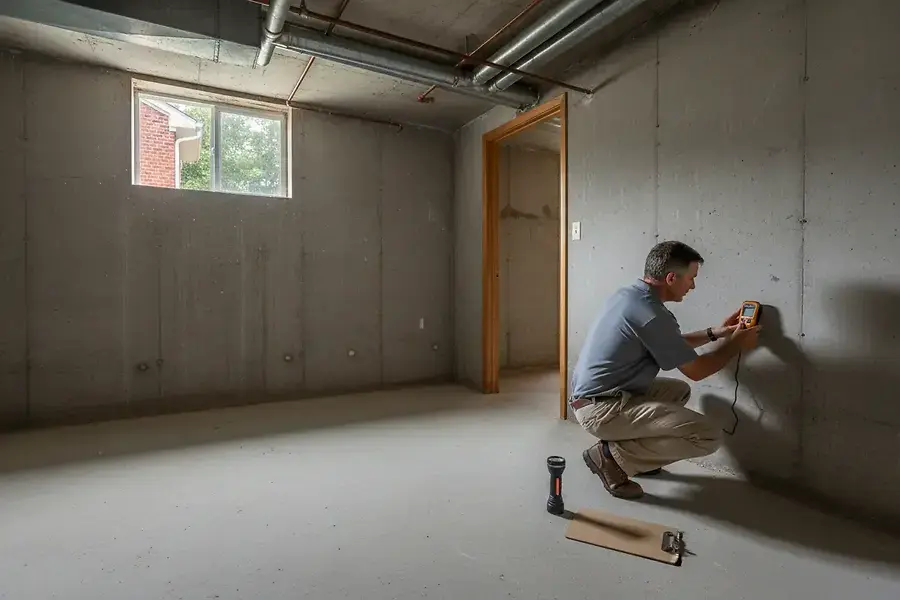
The foundation is the backbone of any home. In North Atlanta, where soil composition and moisture levels can vary significantly, foundation issues are not uncommon. Inspectors will look for:
- Cracks in the foundation or basement walls
- Signs of water intrusion or moisture damage
- Uneven settling or sloping floors
- Gaps between walls and the foundation
Foundation repairs can be expensive, so identifying these issues early is crucial.
Roofing and Exterior
Atlanta's weather—including summer heat, occasional ice storms, and heavy rainfall—takes a toll on roofs and exterior materials. Your inspector will examine:
- Roof condition, age, and remaining lifespan
- Shingles, flashing, and gutters for damage or deterioration
- Siding, windows, and doors for proper sealing and function
- Drainage systems and grading around the property
A roof replacement can easily cost $10,000 or more, making this inspection area particularly important.
Plumbing and Water Systems
Water-related issues are among the most common problems found in Atlanta homes. Inspectors will check:
- Water pressure and flow throughout the home
- Pipe materials and condition (older homes may have outdated plumbing)
- Water heater age and functionality
- Septic systems or sewer connections
- Signs of leaks, corrosion, or water damage
Plumbing problems can lead to mold growth and structural damage if left unaddressed.
Electrical Systems
Electrical safety is non-negotiable. Your inspector will evaluate:
- The main electrical panel and circuit breakers
- Wiring condition and code compliance
- Outlet and switch functionality
- Grounding and bonding systems
- Any outdated or hazardous electrical components
Faulty electrical systems pose serious fire and safety risks.
HVAC and Climate Control
Atlanta's hot, humid summers make air conditioning essential. Inspectors will assess:
- Age and condition of the heating and cooling systems
- Ductwork integrity and insulation
- Thermostat functionality
- Maintenance history and filter condition
HVAC repairs or replacements can be costly, so understanding the system's condition is important.
Common Issues Found in Atlanta Suburbs and How to Address Them
Moisture and Mold Problems
Atlanta's humid climate creates ideal conditions for moisture accumulation and mold growth. Common locations include basements, crawl spaces, and bathrooms. If your inspection reveals moisture issues, you may need to:
- Install or improve drainage systems
- Add or upgrade vapor barriers
- Increase ventilation in problem areas
- Address any roof leaks or water intrusion
Mold remediation should always be handled by professionals to ensure complete removal and prevent health hazards.
Outdated Electrical Panels
Many older North Atlanta homes still have outdated electrical panels that may not meet current code standards. If your inspection identifies this issue, consider upgrading to a modern panel to improve safety and support modern electrical demands.
Aging Roofs and Gutters
Roofs typically last 15-25 years depending on materials and maintenance. If your inspection reveals an aging roof, budget for replacement soon. Additionally, ensure gutters are clean, properly attached, and directing water away from the foundation.
Plumbing Concerns
Older homes may have galvanized pipes that are prone to corrosion, or polybutylene pipes that are known to fail. If identified during inspection, plan for gradual replacement or budget for potential emergency repairs.
HVAC System Age
Air conditioning systems typically last 10-15 years. If your inspection shows an aging system, factor replacement costs into your offer negotiation or budget planning.
Conclusion: Making Informed Decisions Before Closing
A comprehensive home inspection is one of the smartest investments you can make as a North Atlanta homebuyer. By understanding what inspectors look for and being aware of common issues in the region, you're better equipped to make informed decisions about your purchase.
Remember: Use inspection findings as a negotiating tool. Sellers may be willing to make repairs, offer credits, or adjust the price based on inspection results. Don't let a competitive market pressure you into skipping this critical step.
Take your time reviewing the inspection report, ask your inspector questions, and consult with your real estate agent about next steps. Your future self will thank you for the diligence you invest today.


