Complete Home Inspection Guide for Northeast Ohio Homebuyers
Learn what to look for during home inspections to protect your investment across Cleveland, Akron, and surrounding suburbs.

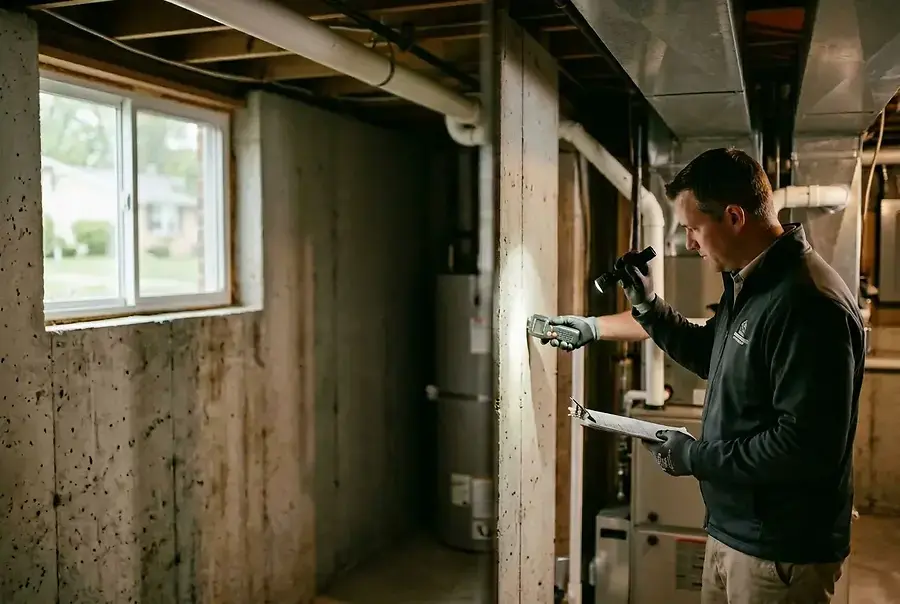
Why Home Inspections Matter in Northeast Ohio's Real Estate Market
Purchasing a home is one of the most significant financial decisions you'll make, and in Northeast Ohio's competitive real estate market, a thorough home inspection is your best defense against costly surprises. Whether you're buying in Cleveland, Akron, or the surrounding suburbs, understanding what to look for during an inspection can save you thousands of dollars in repairs and help you make an informed decision about your investment.
Northeast Ohio's climate and aging housing stock present unique challenges for homebuyers. Many properties in the region were built decades ago, and the harsh winters, temperature fluctuations, and moisture issues common to the area can take a toll on a home's structural integrity. A professional home inspection provides an objective assessment of a property's condition and identifies potential problems before you sign the final papers.
Home inspections are not optional—they're essential. They give you leverage in negotiations, help you budget for future repairs, and provide peace of mind knowing exactly what you're purchasing.
Critical Areas to Inspect: Foundation, Roof, and HVAC Systems in Older Suburban Homes
Foundation and Basement Concerns
The foundation is the backbone of any home, and in Northeast Ohio, foundation issues are particularly common due to the region's clay-heavy soil and freeze-thaw cycles. During your inspection, pay close attention to:
- Visible cracks in the foundation walls or basement floors
- Water stains, dampness, or active water intrusion
- Efflorescence (white, chalky deposits on concrete)
- Bowing or leaning walls
- Gaps between the foundation and the home's frame
Minor hairline cracks are often normal, but larger cracks, horizontal cracks, or signs of water damage warrant further investigation by a structural engineer. Northeast Ohio's wet springs and heavy rains make basement waterproofing a critical concern.
Roof Condition and Age
A roof replacement can cost $10,000 to $25,000 or more, making it one of the most expensive home repairs. During your inspection, verify:
- The age of the roof (most asphalt shingles last 15-20 years)
- Missing, curled, or damaged shingles
- Proper ventilation and attic conditions
- Flashing around chimneys, vents, and skylights
- Signs of leaks or water damage in the attic
Northeast Ohio's variable weather—from heavy snow loads in winter to intense summer storms—puts significant stress on roofing systems. If the roof is nearing the end of its lifespan, factor replacement costs into your offer.
HVAC Systems and Energy Efficiency
Heating and cooling systems are vital in Northeast Ohio's climate. Inspect:
- The age and condition of the furnace and air conditioning unit
- When the system was last serviced
- Proper ductwork insulation and sealing
- Thermostat functionality
- Carbon monoxide detectors (essential for gas furnaces)
An aging HVAC system can fail unexpectedly, leaving you without heat during a harsh Northeast Ohio winter. Budget for potential replacement or repairs, especially if the system is over 15 years old.
Understanding Inspection Reports and Red Flags Specific to Northeast Ohio Properties
What to Expect in Your Inspection Report
A professional home inspection report will detail the condition of all major systems and components. The report typically includes:
- Structural elements (foundation, framing, exterior)
- Roofing and gutters
- Plumbing and water systems
- Electrical systems
- HVAC systems
- Insulation and ventilation
- Interior components (doors, windows, flooring)
Reports usually categorize findings as "Immediate Attention," "Repair," or "Monitor." Focus on items requiring immediate attention, as these pose safety risks or significant repair costs.
Red Flags Specific to Northeast Ohio Homes
Northeast Ohio's climate and aging housing stock create specific vulnerabilities that homebuyers should understand.
Water Intrusion and Moisture Issues: The region's heavy precipitation and freeze-thaw cycles make water damage common. Look for signs of past or present water problems in basements, crawl spaces, and around windows.
Outdated Electrical Systems: Older homes in Cleveland and Akron suburbs may have aluminum wiring or insufficient electrical capacity. These pose fire hazards and may require upgrades.
Asbestos and Lead Paint: Homes built before the 1980s often contain asbestos in insulation, floor tiles, and roofing materials. Lead paint is common in pre-1978 homes. Both require professional remediation if disturbed.
Poor Attic Ventilation: Inadequate ventilation combined with Northeast Ohio's moisture-heavy climate can lead to mold growth and premature roof deterioration.
Settling and Foundation Movement: Many older suburban homes show signs of settling. While minor settling is normal, significant movement may indicate structural problems.
Negotiating After the Inspection
Once you receive the inspection report, you have options:
- Request repairs before closing
- Ask for a credit toward repairs you'll handle yourself
- Renegotiate the purchase price
- Walk away if major issues are discovered
Use the inspection report as a negotiating tool. In Northeast Ohio's market, sellers often expect buyers to request concessions based on inspection findings, especially for older properties.
Making Informed Decisions Based on Inspection Findings
A home inspection report can feel overwhelming, but remember: no home is perfect. The goal is to understand what you're buying and make an informed decision.
Prioritize major systems: Foundation, roof, and HVAC issues are expensive and critical. Cosmetic issues like paint or flooring are less urgent.
Get second opinions: If the inspector identifies significant problems, consider hiring a specialist (structural engineer, roofer, or HVAC technician) for a detailed assessment.
Budget for maintenance: Even well-maintained homes require ongoing repairs. Set aside funds for unexpected issues that may arise after purchase.
By understanding what to look for during a home inspection and how to interpret the findings, you'll protect your investment and make a confident decision about your Northeast Ohio home purchase. Whether you're buying in Cleveland's historic neighborhoods, Akron's established suburbs, or surrounding communities, a thorough inspection is your best tool for success in this important transaction.