Complete Home Inspection Guide for Northern Virginia Buyers and Sellers
What buyers and sellers need to know before closing the deal in your local market.

Why Home Inspections Matter in Northern Virginia's Competitive Real Estate Market
In Northern Virginia's fast-paced real estate market, home inspections serve as a critical safeguard for both buyers and sellers. Whether you're purchasing a property in Arlington, Alexandria, or Woodbridge, a thorough inspection can reveal hidden issues that could cost thousands of dollars in repairs down the line. For sellers, a pre-listing inspection demonstrates transparency and can accelerate the sale process by building buyer confidence.
The Northern Virginia market is particularly competitive, with homes often receiving multiple offers within days of listing. In this environment, a professional home inspection becomes your best defense against making an uninformed decision. It's not just about finding problems—it's about understanding the true condition of your investment and negotiating from a position of knowledge.
Common Issues Found in Northern Virginia Homes: From Older Townhomes to Modern Subdivisions
Moisture and Water Damage
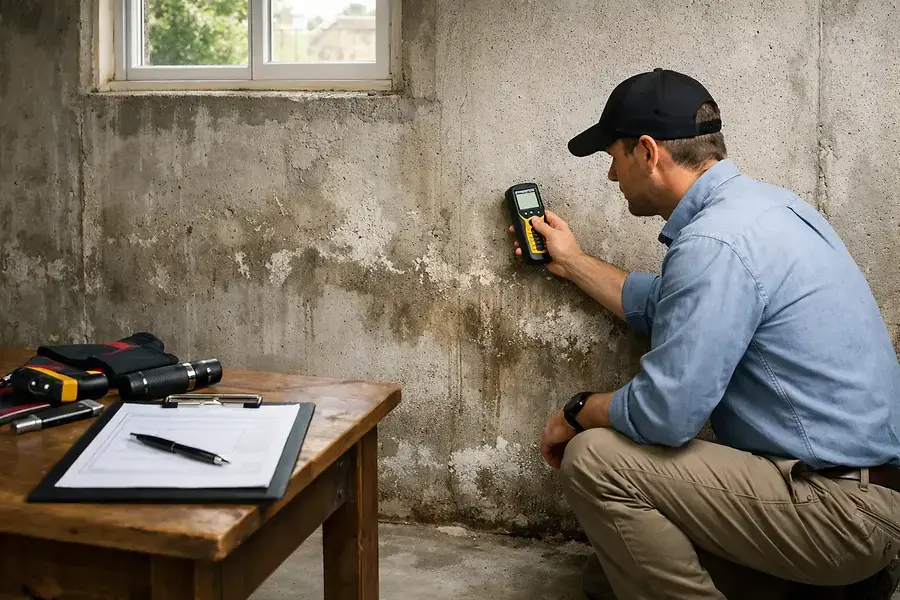
One of the most prevalent issues inspectors find in Northern Virginia homes is moisture intrusion and water damage. The region's humid climate and seasonal rainfall create ideal conditions for water-related problems. Basements in older townhomes throughout Falls Church and Burke frequently show signs of seepage, while modern subdivisions in Springfield may have issues with improper grading around foundations.
HVAC System Concerns
Heating and cooling systems in Northern Virginia homes work overtime during both summer and winter months. Inspectors commonly discover:
- Aging furnaces and air conditioning units nearing the end of their lifespan
- Inadequate ductwork or poor insulation in attics
- Refrigerant leaks in older systems
- Improper ventilation in bathrooms and kitchens
Roofing and Exterior Issues
The combination of temperature fluctuations and seasonal storms in Northern Virginia takes a toll on roofing materials. Inspectors frequently identify missing or damaged shingles, deteriorated flashing, and compromised gutters. Older homes in Lorton and Alexandria may have outdated roofing materials that require replacement.
Electrical and Plumbing Systems
Homes built in different eras present different challenges. Older townhomes may have outdated electrical panels or aluminum wiring, while modern subdivisions might have issues with water pressure or drain line problems. These systems are critical to address before purchase.
The Inspection Process: Timeline, Costs, and What to Expect in Washington, Arlington, Springfield, Alexandria, Lorton, Woodbridge, Falls Church, and Burke
Timeline and Duration
A typical home inspection in Northern Virginia takes between 2-4 hours, depending on the home's size and age. For a standard single-family home, expect the process to take closer to 3 hours. Larger properties or homes with complex systems may require additional time. Plan to be present during the inspection so you can ask questions and observe the inspector's findings firsthand.
Inspection Costs
Home inspection costs in Northern Virginia typically range from $300 to $600 for a standard residential property. Several factors influence the final price:
- Home size and square footage
- Age of the property
- Complexity of systems (pools, wells, septic systems)
- Inspector experience and credentials
- Additional inspections (radon, termite, mold)
Buyers typically pay for the inspection, though this is negotiable. In competitive markets, some sellers opt to provide a pre-inspection report to attract serious buyers.
What to Expect During the Inspection
A comprehensive home inspection covers multiple areas of the property:
- Structural components: Foundation, framing, and load-bearing walls
- Roofing: Shingles, flashing, gutters, and drainage
- Exterior: Siding, windows, doors, and grading
- Interior: Walls, ceilings, floors, and doors
- HVAC systems: Furnaces, air conditioners, and ductwork
- Plumbing: Water supply, drainage, fixtures, and water heater
- Electrical: Panel, wiring, outlets, and switches
- Attic and basement: Insulation, ventilation, and moisture
The Report and Next Steps
Within 24-48 hours of the inspection, you'll receive a detailed report documenting all findings. The report typically categorizes issues by severity: safety concerns, major repairs, minor repairs, and maintenance recommendations.
Use this report as a negotiating tool to request repairs, credits, or price adjustments from the seller.
In Northern Virginia's competitive market, having inspection results in hand gives you leverage. You can request that the seller address critical issues before closing, negotiate a price reduction, or request a credit toward repairs. Some buyers in areas like Arlington and Alexandria use inspection findings to walk away from deals if major issues are discovered.
Additional Inspections to Consider
Beyond the standard inspection, Northern Virginia buyers often benefit from specialized inspections:
- Radon testing: Important in Northern Virginia due to geological factors
- Termite and pest inspection: Protects against costly structural damage
- Mold assessment: Particularly relevant given the region's moisture issues
- Well and septic inspection: Essential for properties in rural areas of Lorton and Burke
Using Inspection Results to Make Confident Real Estate Decisions
A home inspection report is more than just a list of problems—it's a roadmap for your real estate decision. Don't let inspection findings derail your purchase without careful consideration. Every home has issues; the question is whether those issues are within your budget and comfort level to address.
For buyers, use the inspection report to:
- Identify deal-breakers versus manageable repairs
- Gather quotes for major repairs to inform negotiations
- Plan a maintenance schedule for the first year of ownership
- Budget for anticipated repairs and upgrades
For sellers in Northern Virginia's competitive market, a pre-inspection demonstrates confidence in your property and can significantly speed up the sale process. Addressing issues proactively shows buyers that the home has been well-maintained and reduces the likelihood of deal-killing surprises during their inspection.
Whether you're buying in the urban neighborhoods of Washington, D.C., the suburban communities of Springfield and Woodbridge, or the historic areas of Alexandria and Falls Church, a thorough home inspection is your best investment in making an informed real estate decision. By understanding what to expect and how to use inspection results effectively, you'll navigate Northern Virginia's competitive market with confidence and clarity.