Complete Home Inspection Guide for Northern Virginia Homebuyers
Learn what inspectors look for and how to protect your investment in our competitive real estate market.

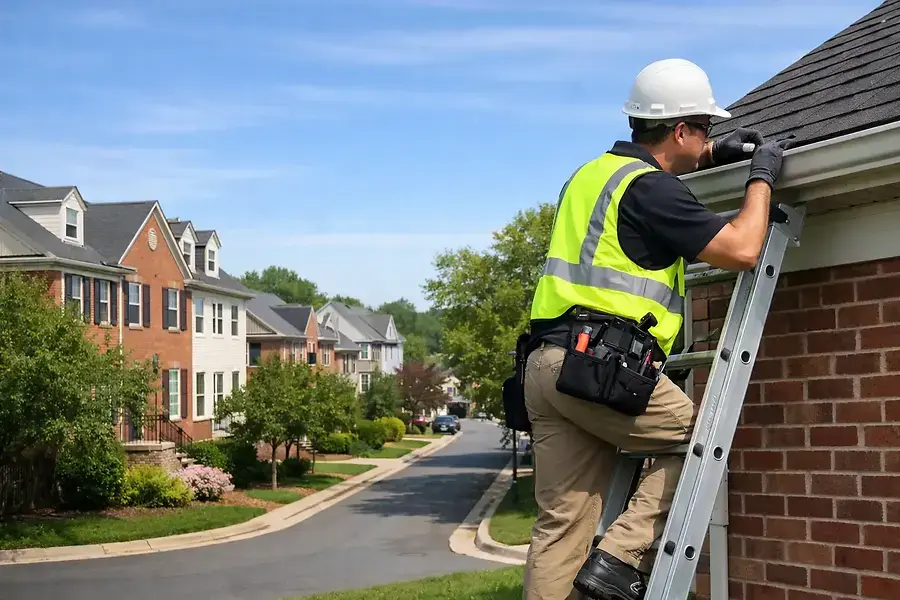
Why Home Inspections Matter in Northern Virginia
Purchasing a home is one of the most significant investments you'll make in your lifetime. In Northern Virginia's competitive real estate market, where homes often sell quickly and prices remain high, a thorough home inspection is your best defense against costly surprises. A professional inspection provides an objective assessment of your potential property's condition, helping you make informed decisions and negotiate effectively.
Whether you're a first-time homebuyer or an experienced investor, understanding the inspection process is crucial. Northern Virginia's diverse housing stock—from historic townhomes in Arlington to newer developments in Loudoun County—means inspectors encounter a wide variety of structural and mechanical systems. An inspection typically costs between $300 and $500 but can save you thousands in unexpected repairs.
Understanding the Inspection Process: What Inspectors Evaluate
Structural Components
Professional inspectors begin by examining the home's foundation, walls, and roof. They look for signs of settling, cracks, water damage, and structural integrity issues. In Northern Virginia, where many homes are built on clay soil, foundation problems are not uncommon and require careful evaluation.
Roofing and Exterior
Inspectors assess the roof's age, condition, and remaining lifespan. They examine siding, windows, doors, gutters, and drainage systems. Proper water management is especially important in our region, where heavy rainfall can lead to basement flooding and water intrusion.
Mechanical Systems
The inspection includes evaluation of:
- HVAC Systems: Heating, ventilation, and air conditioning units are tested for proper operation and efficiency
- Plumbing: Water pressure, drainage, and the condition of pipes are checked throughout the home
- Electrical: The panel, wiring, outlets, and safety features are inspected for code compliance
Interior Components
Inspectors examine walls, ceilings, floors, insulation, and ventilation. They check for signs of pest damage, mold, asbestos, and other environmental concerns. Bathrooms and kitchens receive particular attention due to their complexity and potential for water damage.
Common Issues Found in Northern Virginia Homes and How to Address Them
Water Intrusion and Basement Issues
Northern Virginia's humid climate and seasonal rainfall make water management a top concern. Common problems include:
- Basement leaks and seepage
- Inadequate grading around the foundation
- Clogged or missing gutters
- Efflorescence (white mineral deposits on basement walls)
Solution: Ensure proper grading slopes away from the foundation, install or repair gutters and downspouts, and consider waterproofing treatments if needed.
HVAC System Age and Efficiency
Many Northern Virginia homes have aging heating and cooling systems. Systems typically last 15-20 years, and older units are less efficient and more prone to breakdowns.
Solution: Budget for replacement if the system is nearing the end of its lifespan. Modern systems can significantly reduce energy costs.
Roof Condition and Age
Asphalt shingle roofs, common in our area, typically last 20-25 years. Inspectors often find roofs that are nearing or past their expected lifespan.
Solution: Request a roof inspection from a specialist if concerns arise. Plan for replacement costs in your budget.
Outdated Electrical Systems
Older homes in Northern Virginia may have outdated electrical panels or insufficient capacity for modern appliances and technology.
Solution: Have a licensed electrician evaluate the system and recommend upgrades if necessary.
Using Inspection Reports to Negotiate and Make Informed Decisions
Understanding the Report
A comprehensive inspection report categorizes findings by severity: critical issues requiring immediate attention, major concerns that should be addressed soon, and minor items for future consideration. Take time to understand each finding and ask your inspector for clarification on anything unclear.
Negotiation Strategies
Armed with inspection findings, you have several options:
- Request repairs: Ask the seller to fix critical issues before closing
- Request credits: Negotiate a price reduction to cover repair costs yourself
- Request inspections: For major issues, ask for specialized inspections (roof, foundation, HVAC)
- Walk away: If issues are too extensive, you can terminate the contract during the inspection period
Making Your Decision
Remember: No home is perfect. The goal is to understand what you're buying and make an informed decision about whether the property represents good value for your investment.
Consider the home's overall condition, the cost of repairs, and your long-term plans. A home with minor cosmetic issues but solid bones may be a better investment than one with hidden structural problems.
Taking Control of Your Home Purchase
A professional home inspection is an essential step in the Northern Virginia home buying process. By understanding what inspectors evaluate, recognizing common regional issues, and using inspection reports strategically, you protect your investment and make confident purchasing decisions.
Don't skip the inspection to save money or to make your offer more competitive. The insights gained are invaluable, and the peace of mind is priceless. Work with a qualified, licensed home inspector who knows Northern Virginia's housing stock and can provide detailed, actionable recommendations.
Your new home should be a source of pride and security, not unexpected expenses. Take control of your purchase by prioritizing a thorough inspection—it's one of the smartest investments you can make.


