Complete Home Inspection Guide for Oregon Residential Buyers
Discover what to look for during home inspections to protect your investment in Oregon communities.

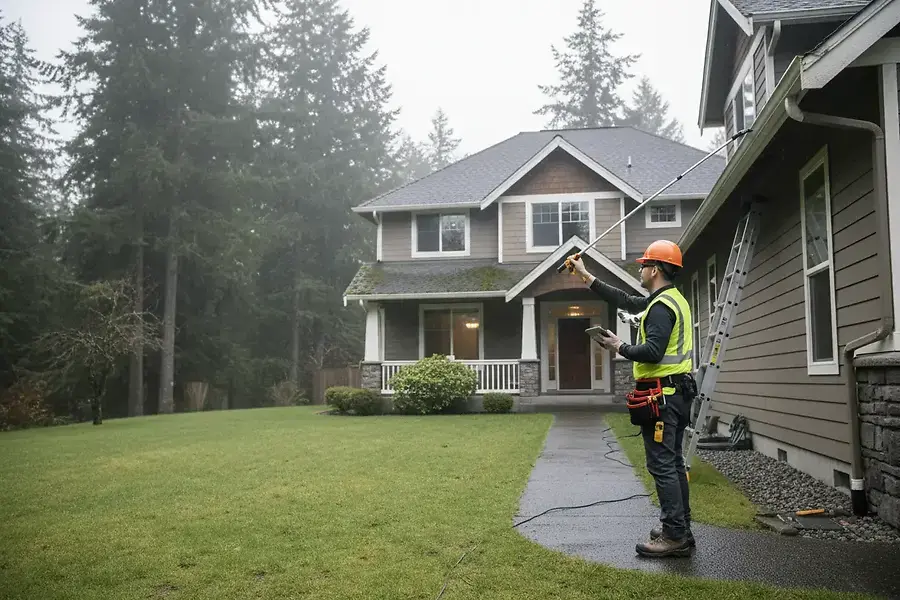
Why Home Inspections Matter in Oregon Real Estate
Purchasing a home is one of the most significant financial decisions you'll make in your lifetime. In Oregon, where diverse climates and unique building conditions exist across regions, a thorough home inspection becomes essential to protecting your investment. A professional home inspection provides an objective assessment of a property's condition, revealing potential issues before you commit to the purchase.
Many Oregon buyers underestimate the value of inspections, viewing them as an optional expense. However, inspections can uncover costly problems that might not be visible during a casual walkthrough. From foundation concerns to roof damage, these discoveries can significantly impact your negotiating power and long-term homeownership costs.
Understanding Key Home Inspection Components and Red Flags
Structural Integrity and Foundation
The foundation is the backbone of any home. Inspectors examine for cracks, settling, water damage, and signs of movement. In Oregon, where moisture is prevalent, look for:
- Horizontal or diagonal cracks in the foundation
- Water stains or efflorescence (white mineral deposits)
- Bowing or leaning walls
- Gaps between the foundation and walls
Red Flag: Significant cracks or evidence of previous repairs without proper documentation should prompt further investigation by a structural engineer.
Roof and Exterior Systems
Oregon's rainy climate makes roof condition critical. Inspectors evaluate shingle condition, flashing, gutters, and drainage systems. Key concerns include:
- Missing, curled, or damaged shingles
- Moss or algae growth indicating moisture retention
- Improper gutter installation or blockages
- Inadequate ventilation in attic spaces
A well-maintained roof can last 20-25 years, but Oregon's wet climate may reduce this lifespan. Budget for potential replacement costs if the roof appears aged.
Plumbing and Water Systems
Water-related issues are among the most expensive to repair. Inspectors check for:
- Leaks under sinks and around fixtures
- Water pressure and drainage issues
- Outdated galvanized pipes prone to corrosion
- Proper septic system function (in rural areas)
- Water heater age and condition
Red Flag: Stains on ceilings or walls, musty odors, or soft spots in flooring may indicate hidden water damage or mold growth.
Electrical Systems
Electrical safety is paramount. Inspectors verify:
- Proper grounding and bonding
- Adequate circuit capacity for modern appliances
- GFCI outlets in wet areas
- Outdated wiring that may pose fire hazards
Homes with aluminum wiring or knob-and-tube wiring may require expensive upgrades to meet current safety standards.
HVAC and Insulation
Oregon's variable temperatures make heating and cooling systems important. Inspectors assess:
- Furnace or heat pump age and functionality
- Adequate insulation levels for energy efficiency
- Proper ventilation and ductwork condition
- Air conditioning capacity (if present)
Regional Considerations for Oregon Homes: Climate and Building Factors
Moisture and Mold Concerns
Oregon's wet climate creates unique challenges. The Pacific Northwest's high precipitation and humidity levels make homes susceptible to moisture intrusion and mold growth. During inspections, pay special attention to:
- Basement or crawl space moisture levels
- Proper drainage around the foundation
- Ventilation in attics and crawl spaces
- Signs of previous water damage or remediation
Tip: Request a moisture meter reading and ask about any history of mold remediation or water damage claims.
Seismic Considerations
Oregon lies in a seismically active region. Homes built before modern building codes may lack proper bracing and anchoring. Inspectors look for:
- Foundation bolting to resist earthquake movement
- Cripple wall bracing in homes with crawl spaces
- Proper chimney bracing and support
Older homes may require seismic retrofitting to meet current safety standards, which can be a significant expense.
Soil and Drainage Issues
Oregon's varied topography and soil types affect drainage and foundation stability. Inspectors evaluate:
- Slope of the property away from the foundation
- Presence of expansive clay soils
- Proper grading and surface drainage
- Proximity to flood zones or wetlands
Properties in flood-prone areas may require flood insurance, adding to your annual homeownership costs.
Vegetation and Tree Management
Oregon's lush vegetation is beautiful but requires consideration. Large trees near homes can:
- Damage roofs and gutters with falling branches
- Compromise foundations with invasive root systems
- Block sunlight and increase moisture retention
- Create fire hazards in certain regions
Ask inspectors about tree proximity to structures and any recommended maintenance or removal.
Making Informed Decisions with Inspection Results
Once you receive the inspection report, take time to understand the findings. Reports typically categorize issues by severity:
Critical Issues: Problems that pose safety risks or require immediate repair. These may significantly impact your purchase decision or negotiating position.
Major Issues: Significant repairs needed but not immediately dangerous. Budget for these in your financial planning.
Minor Issues: Maintenance items or cosmetic concerns that don't affect functionality or safety.
Use inspection results to negotiate repairs, credits, or price reductions with the seller. In Oregon's competitive market, a thorough inspection report provides leverage and protects your interests.
Final Thought: A home inspection is an investment in peace of mind. By understanding what inspectors look for and Oregon's unique regional factors, you'll make informed decisions that protect your investment for years to come.