Complete Home Inspection Guide for Oregon Residential Buyers
Master the critical inspection checklist that protects your investment across Keizer, Salem, Medford, and Grants Pass.

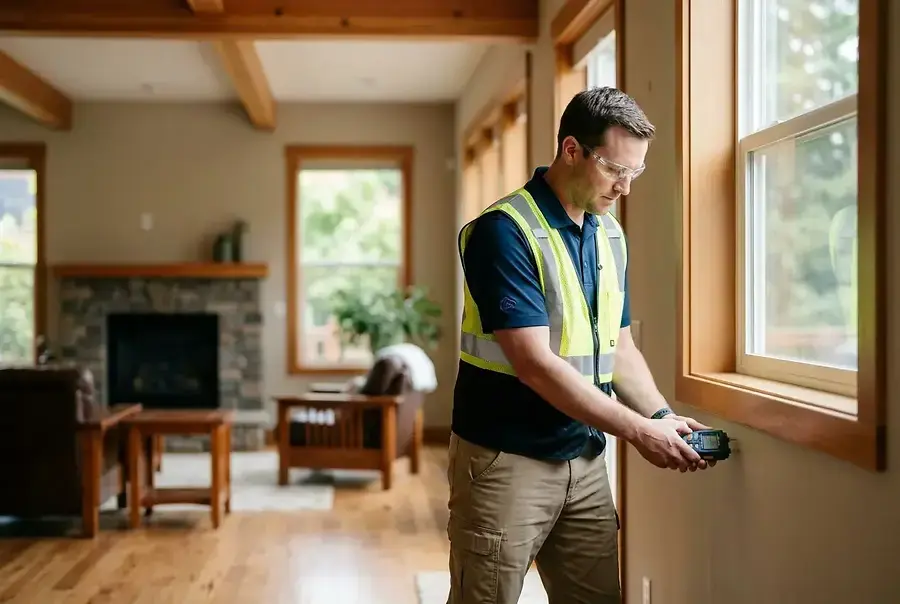
Understanding Home Inspection Requirements in Oregon
When purchasing a residential property in Oregon, a professional home inspection is one of the most critical steps in the buying process. Unlike some states with mandatory inspections, Oregon allows buyers to make inspections contingent on their purchase agreement, giving you significant leverage in protecting your investment.
A qualified home inspector in Oregon should be licensed and carry appropriate insurance. The inspection typically takes 2-4 hours and covers all major systems and components of the property. Whether you're buying in Keizer, Salem, Medford, or Grants Pass, understanding what inspectors evaluate will help you make informed decisions about your potential purchase.
Key points to remember:
- Oregon does not require mandatory home inspections, but they are highly recommended
- Inspections are typically contingent on the purchase agreement
- Licensed inspectors must follow Oregon's Standards of Practice
- You have the right to be present during the inspection
- The inspection report should be detailed and easy to understand
Key Areas to Evaluate During Your Property Walkthrough
Structural Components and Foundation
The foundation is the backbone of any home. Inspectors will examine the foundation for cracks, settling, water damage, and signs of structural movement. In Oregon's climate, where moisture is prevalent, foundation issues are particularly important to assess. Look for horizontal cracks, bowing walls, or water stains that indicate potential problems.
Roofing and Exterior
Your roof protects everything beneath it. Inspectors evaluate the roof's age, condition, and remaining lifespan. They'll check for missing shingles, improper flashing, and signs of leaks. The exterior inspection also includes siding, gutters, downspouts, and drainage systems—all critical in Oregon's rainy climate.
Plumbing Systems
A thorough plumbing inspection checks water pressure, drainage, and the condition of pipes. Inspectors test all fixtures, look for leaks, and assess water heater condition and age. Older homes may have outdated plumbing materials that could require replacement.
Electrical Systems
The electrical inspection verifies that the system is safe and up to code. Inspectors check the panel, outlets, switches, and grounding. They'll identify any outdated wiring, overloaded circuits, or safety hazards that need attention.
HVAC and Climate Control
Heating and cooling systems are essential in Oregon homes. Inspectors test furnaces, heat pumps, air conditioning units, and ventilation systems. They assess age, efficiency, and whether repairs or replacement might be needed soon.
Interior Conditions
The interior inspection covers walls, ceilings, floors, doors, and windows. Inspectors look for water damage, mold, pest damage, and structural issues. They'll also evaluate insulation levels and ventilation, which are crucial for energy efficiency in Oregon's climate.
Red Flags and How to Negotiate After Inspection Results
Common Red Flags in Oregon Homes
Water damage and moisture issues are the most common concerns in Oregon properties. Look for stains, soft spots, or musty odors indicating past or present water intrusion. Mold growth is another serious red flag that requires professional remediation.
Other warning signs include:
- Outdated electrical systems with aluminum wiring
- Asbestos in insulation or roofing materials
- Radon gas (common in Oregon)
- Termite or pest damage
- Roof age exceeding 20-25 years
- Plumbing with polybutylene pipes
- Foundation cracks or settling issues
Negotiation Strategies
Once you receive the inspection report, you have several options. Request repairs: Ask the seller to fix significant issues before closing. This is common for major structural or system problems.
Request credits: The seller can provide a credit toward closing costs or repairs you'll handle yourself. This is often used for cosmetic issues or minor repairs.
Renegotiate the price: If inspection results reveal substantial problems, you may request a price reduction to account for repair costs.
"A thorough inspection report gives you concrete data to support your negotiation position. Use specific findings and repair estimates when discussing concerns with the seller."
In competitive markets across Keizer, Salem, Medford, and Grants Pass, being strategic about which issues to negotiate is important. Focus on major systems and safety concerns rather than minor cosmetic items.
Moving Forward with Confidence in Your Purchase Decision
Understanding Your Inspection Report
A professional inspection report should clearly categorize findings by severity. Items are typically marked as safety concerns, major repairs needed, or minor maintenance items. Take time to understand each finding and ask your inspector questions about anything unclear.
Getting Second Opinions
For significant issues, consider hiring specialists. A structural engineer can assess foundation concerns, a plumber can evaluate complex plumbing issues, and a roofer can provide detailed roof assessments. These specialized inspections provide valuable information for negotiation.
Planning Your Next Steps
After addressing inspection concerns through negotiation or acceptance, create a maintenance plan for the home. Prioritize repairs that affect safety or major systems. Budget for upcoming maintenance based on inspector recommendations, such as roof replacement or HVAC servicing.
Remember that no home is perfect. The goal of a home inspection is to identify issues so you can make an informed decision and plan accordingly. Whether you're purchasing in Keizer, Salem, Medford, Grants Pass, or anywhere in Oregon, a thorough inspection protects your investment and gives you confidence in your purchase decision.
Final Tip: Keep your inspection report and all related documents for future reference. They'll be valuable when planning maintenance, making insurance claims, or selling the property later.


