Complete Home Inspection Guide for Phoenix Metro Area Buyers
Discover what to look for during inspections to protect your investment in the Phoenix, Scottsdale, and surrounding areas.

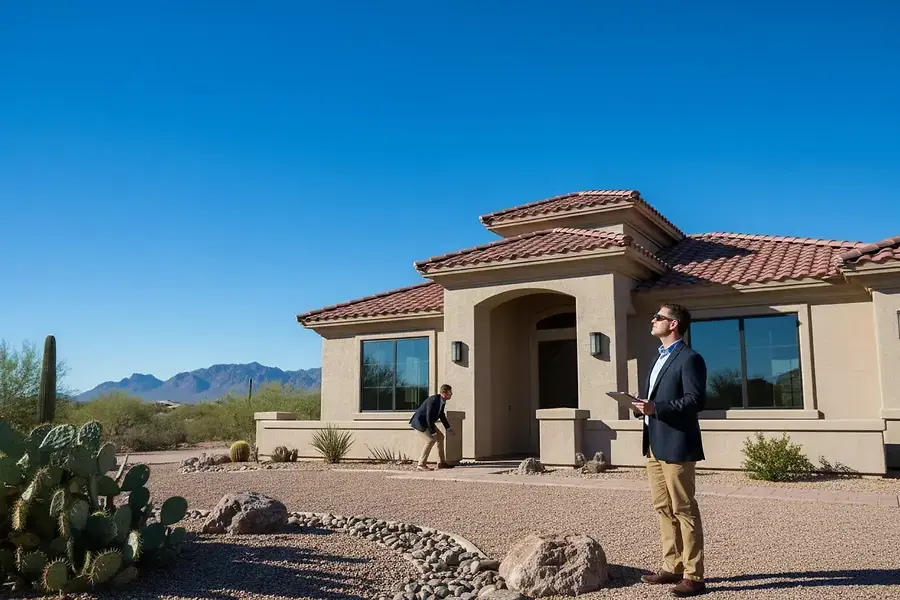
Why Home Inspections Matter in Phoenix's Desert Climate
Purchasing a home in the Phoenix metro area is an exciting milestone, but it's also one of the most significant financial decisions you'll make. A thorough home inspection is your best defense against costly surprises and hidden defects. The desert climate of Phoenix, Scottsdale, and surrounding communities presents unique challenges that differ from other regions, making professional inspections even more critical.
Arizona's intense heat, low humidity, and occasional monsoon storms create specific wear patterns on homes. A qualified inspector understands these regional factors and knows exactly what to examine to ensure your investment is sound. Whether you're a first-time buyer or an experienced investor, understanding the inspection process protects your financial interests and gives you peace of mind.
Key Areas to Inspect: Foundation, Cooling Systems, and Roof Durability
Foundation and Structural Integrity
The foundation is the backbone of any home, and in Phoenix's desert environment, it faces particular stress. Arizona's expansive clay soils can shift dramatically with temperature changes and moisture fluctuations, potentially causing foundation cracks and settling issues.
During inspection, look for:
- Visible cracks in the foundation or concrete slab
- Uneven floors or doors that don't close properly
- Water stains or moisture damage in basements or crawl spaces
- Signs of previous foundation repairs or underpinning work
Pro tip: Ask your inspector about the home's age and whether it was built with proper moisture barriers, which are essential in Arizona.
Air Conditioning and Cooling Systems
In Phoenix's scorching climate, a reliable air conditioning system isn't a luxury—it's a necessity. Most homes in the metro area rely entirely on AC for comfort, making this system one of the most important to evaluate.
Your inspector should examine:
- The age and condition of the AC unit (typical lifespan is 10-15 years)
- Proper refrigerant levels and system efficiency
- Ductwork integrity and insulation quality
- Thermostat functionality and programming capabilities
- Maintenance records and service history
A failing AC system can cost $5,000 to $15,000 to replace, so this inspection area deserves careful attention. Request documentation of recent maintenance and ask about any repairs or replacements needed in the near future.
Roof Durability and Sun Damage
Phoenix's relentless sun is brutal on roofing materials. The intense UV radiation and extreme temperature fluctuations cause premature aging, brittleness, and deterioration that you won't find in cooler climates.
Your inspector will evaluate:
- Roofing material type and remaining lifespan
- Signs of sun damage, cracking, or curling shingles
- Proper ventilation and attic conditions
- Flashing around chimneys, vents, and skylights
- Evidence of previous leaks or water damage
Most Arizona roofs last 15-20 years compared to 20-25 years in other regions. Understanding your roof's age helps you budget for eventual replacement.
Red Flags and Deal-Breakers: Common Issues in the Phoenix Metro Region
Water Damage and Monsoon Vulnerability
While Phoenix is known for its dry climate, monsoon season brings intense storms that can expose vulnerabilities. Look for evidence of water intrusion, especially in:
- Ceilings and walls showing water stains
- Mold or mildew in bathrooms, basements, or attics
- Damaged or missing caulking around windows and doors
- Poor grading or drainage around the foundation
Pest and Termite Damage
Arizona's warm climate is paradise for pests, particularly termites and wood-boring insects. Termite damage can be extensive and expensive to repair. Your inspection should include a thorough pest assessment, with special attention to:
- Wood framing and structural elements
- Subfloors and crawl spaces
- Evidence of previous termite treatments
- Mud tubes or other pest indicators
Electrical and Plumbing Concerns
Older homes in the Phoenix area may have outdated electrical systems or plumbing that hasn't kept pace with modern demands. Watch for:
- Aluminum wiring (a fire hazard in older homes)
- Outdated panel systems or insufficient capacity
- Corroded copper pipes or polybutylene plumbing
- Water pressure issues or slow drains
Pool and Spa Issues
Many Phoenix homes feature pools and spas. These require specialized inspection to assess:
- Structural integrity of the pool shell
- Equipment condition and functionality
- Proper chemical balance and circulation systems
- Safety compliance and fencing requirements
Pool repairs and renovations can be costly, so factor these into your offer negotiations.
Making Informed Decisions with Professional Inspection Reports
Once your inspector completes their evaluation, you'll receive a detailed report documenting findings, photographs, and recommendations. Take time to review this report thoroughly and don't hesitate to ask your inspector questions about any concerns.
Use the inspection report as a negotiating tool. If significant issues are discovered, you have several options:
- Request the seller make repairs before closing
- Negotiate a price reduction to account for repairs you'll handle
- Request an escrow holdback for future repairs
- Walk away from the deal if issues are too severe
Remember, a professional home inspection is an investment in your future. The cost of an inspection (typically $300-$500) is minimal compared to the potential savings from identifying major issues before purchase. In the Phoenix metro area's competitive real estate market, a thorough inspection gives you the confidence and information needed to make the best decision for your family and your finances.
Work with a qualified, licensed home inspector who has specific experience with Arizona properties. Their regional expertise will ensure you understand exactly what you're buying and what to expect from your new home.


