Complete Home Inspection Guide for Port Saint Lucie Homebuyers
Discover what professional inspectors look for and how to protect your investment in Port Saint Lucie's competitive real estate market.

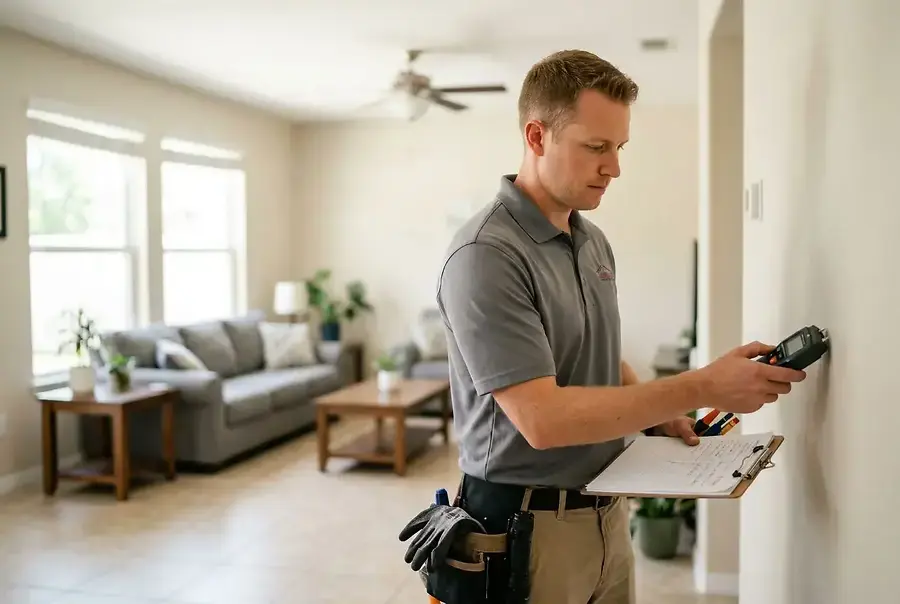
What to Expect During a Professional Home Inspection
A professional home inspection is one of the most critical steps in the homebuying process. When you're purchasing a property in Port Saint Lucie, understanding what happens during this inspection can help you feel more confident and prepared. A typical inspection lasts between two to three hours, depending on the size and condition of the property.
During the inspection, a certified inspector will systematically examine every major component of the home. This includes:
- Structural elements: Foundation, walls, roof, and overall structural integrity
- Electrical systems: Wiring, panels, outlets, and safety features
- Plumbing systems: Water lines, drainage, fixtures, and water pressure
- HVAC systems: Heating, cooling, and ventilation equipment
- Appliances: Built-in appliances and their functionality
- Interior elements: Walls, ceilings, floors, doors, and windows
- Exterior features: Siding, gutters, landscaping, and drainage systems
As a homebuyer, you have the right to be present during the inspection. Many inspectors encourage this, as it gives you the opportunity to ask questions and learn about the property's condition firsthand. Don't hesitate to ask your inspector to explain findings or demonstrate how systems work.
Common Issues Found in Port Saint Lucie Properties and How to Address Them
Water Damage and Moisture Issues
Given Port Saint Lucie's humid subtropical climate and proximity to water, moisture-related problems are among the most common issues found in local properties. Inspectors typically look for signs of water intrusion, mold, and rot in attics, basements, and crawl spaces.
How to address it: If water damage is discovered, request a separate mold inspection and get quotes from water damage restoration specialists. This issue can significantly impact your offer negotiation.
Roof Condition and Hurricane Preparedness
Florida's hurricane season makes roof condition particularly important. Inspectors will assess the roof's age, condition, and ability to withstand severe weather. Missing shingles, improper installation, and age-related wear are common findings.
How to address it: Obtain a separate roof inspection from a licensed roofer. If replacement is needed, get detailed estimates to factor into your purchase price negotiations.
HVAC System Efficiency
Air conditioning systems work overtime in Port Saint Lucie's climate. Inspectors evaluate whether the system is properly sized, well-maintained, and functioning efficiently. An aging or undersized unit can lead to high energy bills.
How to address it: Request maintenance records and consider having an HVAC specialist provide a detailed assessment if concerns arise.
Electrical System Updates
Older homes may have outdated electrical systems that don't meet current safety standards. Inspectors look for proper grounding, adequate capacity, and safety features like GFCI outlets in wet areas.
How to address it: If upgrades are needed, get estimates from licensed electricians and use this information in your negotiations.
Using Inspection Reports to Negotiate Better Offers
Understanding Your Inspection Report
Once the inspection is complete, you'll receive a detailed report documenting all findings. This report is your most powerful negotiating tool. It categorizes issues by severity—from minor cosmetic concerns to major structural problems.
Key sections typically include:
- Summary of major defects requiring immediate attention
- Detailed descriptions of each issue found
- Photographs documenting problems
- Recommendations for repairs or further evaluation
- Estimated costs for addressing issues
Negotiation Strategies
Armed with your inspection report, you have several options for moving forward:
- Request repairs: Ask the seller to fix major issues before closing. This is ideal for structural or safety concerns.
- Request credits: Negotiate a credit toward closing costs to handle repairs yourself after purchase.
- Renegotiate the price: Use the inspection findings to justify a lower offer price that accounts for necessary repairs.
- Walk away: If major issues make the property a poor investment, you may have grounds to terminate the contract, depending on your inspection contingency.
The key is to prioritize issues. Focus negotiations on significant problems that affect safety, structural integrity, or long-term value. Minor cosmetic issues are typically not worth extensive negotiation.
Working with Your Real Estate Agent
Your real estate agent can be invaluable during this phase. They understand local market conditions and can advise on which issues are deal-breakers versus negotiable items. They'll also help you present your requests professionally to the seller.
Final Walkthrough and Closing Preparations
Conducting Your Final Walkthrough
Before closing, you'll have the opportunity to do a final walkthrough of the property. This is your chance to verify that agreed-upon repairs have been completed and that the property is in the expected condition.
During your final walkthrough, check:
- All agreed repairs have been completed satisfactorily
- Appliances and fixtures that were supposed to stay are still present
- No new damage has occurred since your inspection
- Utilities are functioning properly
- The property is clean and ready for occupancy
Final Preparations Before Closing
With your inspection complete and negotiations finalized, you're nearly at the finish line. Review your final closing disclosure documents carefully, ensuring all terms match your agreement. Verify that inspection-related credits or repairs are properly reflected in your paperwork.
Keep copies of your inspection report, all communications regarding repairs, and any receipts for work completed. These documents are valuable for warranty claims and future reference.
Moving Forward with Confidence
A thorough home inspection is your safeguard in Port Saint Lucie's competitive real estate market. By understanding what inspectors look for, addressing common local issues, and using your inspection report strategically, you're protecting your investment and ensuring you're making an informed decision about one of life's biggest purchases.
Remember, the goal of a home inspection isn't to find reasons to back out of a deal—it's to ensure you understand exactly what you're buying and to identify any issues that need attention. With this knowledge in hand, you can move forward to closing with confidence and peace of mind.


