Complete Home Inspection Guide for Prairie Village Homebuyers
Learn the critical inspection checklist that protects your investment and prevents costly surprises.

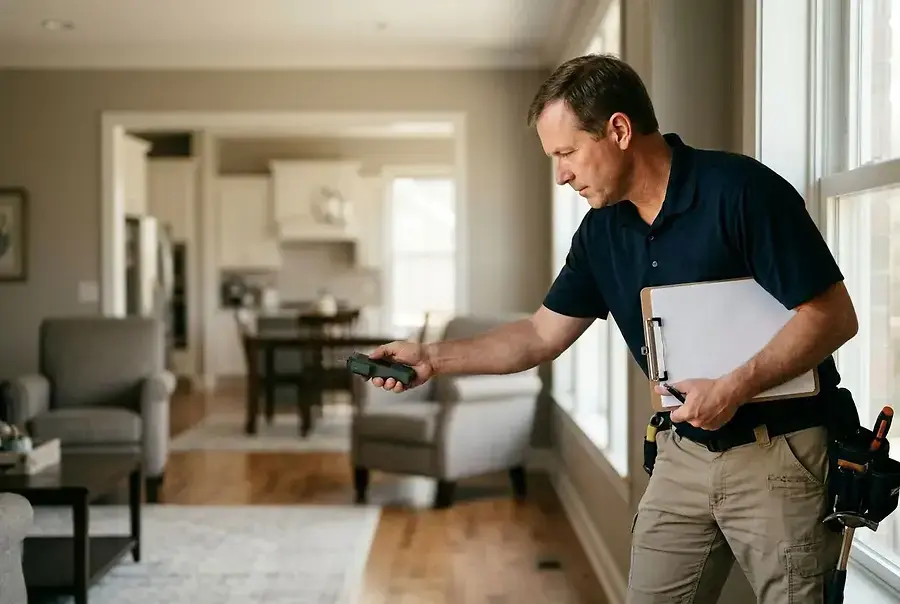
Why Home Inspections Matter in Prairie Village's Market
Purchasing a home is one of the most significant investments you'll make in your lifetime. In Prairie Village's competitive real estate market, a thorough home inspection is your best defense against unexpected repairs and hidden defects. A professional home inspection provides an objective assessment of a property's condition, giving you the knowledge needed to make an informed decision.
Home inspections serve multiple critical purposes. They reveal structural issues, identify safety hazards, and uncover maintenance problems that could cost thousands of dollars to repair. Whether you're a first-time homebuyer or an experienced investor, understanding what happens during an inspection can save you from making a costly mistake.
Don't skip this essential step. Many buyers attempt to save money by forgoing inspections, only to discover major problems after closing. In Prairie Village, where homes range from historic properties to modern constructions, each property type presents unique inspection considerations.
Key Areas Inspectors Evaluate in Residential Properties
Structural Components and Foundation
Inspectors begin by examining the foundation, which is the backbone of any home. They look for cracks, settling, water damage, and signs of structural movement. The roof, walls, and overall structural integrity are assessed to ensure the home can safely support its weight and withstand environmental stresses.
Electrical Systems
A comprehensive electrical inspection checks the main panel, wiring, outlets, and switches. Inspectors verify that the system meets current safety codes and can handle the home's electrical demands. Outdated or faulty electrical systems pose serious fire hazards and should be addressed immediately.
Plumbing and Water Systems
Inspectors test water pressure, check for leaks, examine pipes for corrosion, and evaluate the water heater's condition. They also assess the septic system or municipal connections. Water damage and plumbing issues can lead to expensive repairs if left undetected.
HVAC Systems
Heating, ventilation, and air conditioning systems are tested for proper operation and efficiency. Inspectors check furnaces, air conditioners, thermostats, and ductwork. A failing HVAC system can cost $5,000 to $10,000 to replace, making this evaluation crucial.
Insulation and Ventilation
Proper insulation and ventilation affect energy efficiency and prevent moisture problems. Inspectors assess attic insulation, crawl spaces, and ventilation systems to ensure they meet current standards and function properly.
Interior and Exterior Conditions
The inspection includes evaluating:
- Walls, ceilings, and floors for damage or deterioration
- Windows and doors for proper operation and sealing
- Exterior siding, trim, and paint condition
- Gutters and drainage systems
- Decks, patios, and stairs for safety
- Basement or crawl space conditions
Red Flags to Watch for During Your Home Inspection
Water Damage and Mold
Water stains on ceilings, walls, or in basements indicate past or present water intrusion. Mold growth is a serious health concern and requires professional remediation. These issues suggest underlying problems with the roof, foundation, or drainage systems.
Structural Cracks and Settlement
While minor cracks are normal in older homes, large or expanding cracks in the foundation or walls warrant professional evaluation. Uneven floors or doors that don't close properly may indicate structural settling or movement.
Outdated Electrical Systems
Homes with aluminum wiring, knob-and-tube wiring, or insufficient grounding present fire hazards. If the electrical panel is outdated or the home lacks adequate outlets, upgrades will be necessary.
Failing Roof
Missing shingles, curling, granule loss, or sagging indicate a roof nearing the end of its life. Roof replacement is expensive, typically costing $8,000 to $15,000, so this is critical to assess.
Plumbing Problems
Low water pressure, slow drains, rust-colored water, or visible corrosion on pipes suggest plumbing issues. Galvanized pipes in older homes may need replacement, which is a significant expense.
HVAC System Age and Condition
Systems older than 15-20 years may fail soon. Listen for unusual noises, check for proper heating and cooling, and ask about maintenance history. An aging system should factor into your negotiation strategy.
Pest Infestation
Signs of termites, carpenter ants, or rodents require immediate attention. Pest damage can compromise structural integrity and pose health risks. Professional pest control and remediation may be necessary.
Taking Action: Next Steps After Your Inspection Report
Review the Report Thoroughly
Don't skim the inspection report. Read it carefully and understand each finding. Ask your inspector to explain any concerns you don't understand. Take notes on items that concern you most.
Prioritize Issues by Severity
Categorize findings into three groups: critical issues (safety hazards or major structural problems), important repairs (systems nearing failure), and minor maintenance (cosmetic or routine upkeep). This helps you focus negotiations on what truly matters.
Get Additional Inspections if Needed
For significant concerns, hire specialists. Structural engineers can assess foundation issues, mold inspectors can evaluate contamination, and electricians can review electrical systems. These targeted inspections provide detailed information for negotiation.
Negotiate with the Seller
Use the inspection report as leverage in negotiations. You can request:
- Seller repairs before closing
- Price reduction to cover repairs
- Escrow funds held for specific repairs
- Extended inspection periods for further evaluation
Plan Your Budget
Estimate repair costs and factor them into your decision. Some issues are deal-breakers, while others are manageable expenses. Ensure you have adequate funds for necessary repairs and maintenance after purchase.
Make Your Final Decision
Armed with complete information, decide whether to proceed, renegotiate, or walk away. A thorough inspection empowers you to make the right choice for your family and finances.
Remember: A home inspection is not just a formality—it's your opportunity to uncover the truth about a property before you commit to one of life's biggest purchases.


