Complete Home Inspection Guide for Raleigh Residential Buyers
What to look for during inspections to protect your investment in Raleigh's residential market.

The Critical Role of Home Inspections in Raleigh
Purchasing a home is one of the most significant financial decisions you'll make, and in Raleigh's competitive residential market, a thorough home inspection is your best defense against costly surprises. A professional home inspection provides an objective assessment of a property's condition, revealing potential issues that could affect your investment's value and your family's safety.
Whether you're a first-time homebuyer or an experienced investor, understanding what inspectors look for and how to interpret their findings can mean the difference between a sound investment and a money pit. This guide will walk you through the essential elements of home inspections in Raleigh, helping you navigate the buying process with confidence.
Key Areas Professional Inspectors Evaluate in Raleigh Homes
Structural Integrity and Foundation
The foundation is the backbone of any home. Professional inspectors examine the foundation for cracks, settling, and water damage—issues particularly relevant in Raleigh's clay-heavy soil conditions. They'll check for:
- Visible cracks in the foundation walls or basement floors
- Signs of water intrusion or moisture problems
- Proper grading around the foundation to ensure water drainage
- Evidence of settling or structural movement
Roof and Exterior
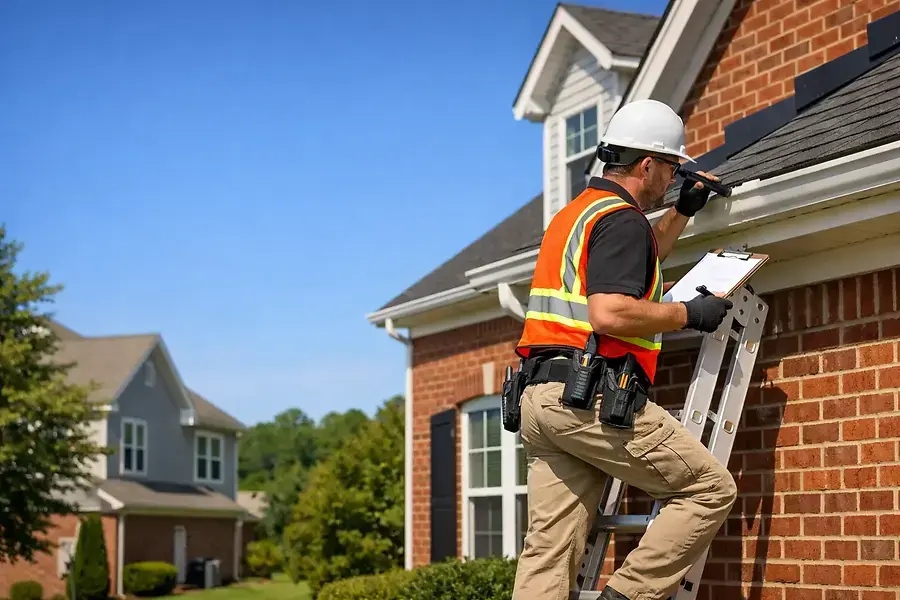
Raleigh's weather patterns demand special attention to roofing materials and exterior protection. Inspectors evaluate:
- Roof condition, age, and remaining lifespan
- Shingles for missing, curled, or damaged sections
- Gutters and downspouts for proper drainage
- Siding, trim, and exterior walls for damage or deterioration
- Windows and doors for proper sealing and operation
Plumbing Systems
Water-related issues are among the most expensive to repair. Professional inspectors check:
- Water pressure and flow throughout the home
- Visible pipes for leaks, corrosion, or improper materials
- Drain functionality and potential blockages
- Water heater condition and age
- Septic systems or municipal water connections
Electrical Systems
Electrical safety is paramount. Inspectors examine:
- The main electrical panel for proper capacity and safety
- Outlets and switches for proper grounding
- Visible wiring for damage or outdated materials
- GFCI protection in wet areas like kitchens and bathrooms
- Overall electrical code compliance
HVAC and Climate Control
Heating and cooling systems are critical investments. Inspectors assess:
- Furnace or heat pump age and operational status
- Air conditioning unit functionality
- Ductwork for leaks or improper installation
- Thermostat operation and efficiency
- Maintenance records and remaining lifespan
Interior Spaces and Appliances
A thorough inspection includes evaluation of:
- Walls, ceilings, and floors for damage or water stains
- Doors and windows for proper operation
- Kitchen appliances included in the sale
- Bathroom fixtures and ventilation
- Insulation and ventilation in attics and crawl spaces
Common Issues Found in Raleigh Properties and How to Address Them
Water Damage and Moisture Problems
Raleigh's humid climate makes moisture management critical. Common issues include basement seepage, crawl space moisture, and roof leaks. If discovered, request that the seller address these issues before closing or negotiate a credit toward repairs. Untreated moisture can lead to mold growth and structural damage.
Aging Roofs
Many Raleigh homes have roofs nearing the end of their lifespan. A roof replacement can cost $8,000 to $15,000 or more. Use inspection findings to negotiate repair or replacement with the seller, or factor replacement costs into your offer.
Outdated Electrical Systems
Older homes may have aluminum wiring or insufficient electrical capacity. These issues require professional remediation and can be expensive. Request documentation of any electrical work completed and ensure it meets current code standards.
HVAC System Age
Systems over 15 years old may need replacement soon. Budget $5,000 to $10,000 for a new system. Use this information to negotiate the purchase price or request that the seller replace the system before closing.
Plumbing Concerns
Older homes may have galvanized pipes that are corroding or polybutylene pipes prone to failure. These require professional assessment and potential replacement. Factor these costs into your decision-making process.
Foundation Issues
While minor cracks are common, significant foundation problems require professional structural engineering evaluation. Don't ignore foundation concerns—they can affect the home's structural integrity and resale value. Request a specialized foundation inspection if issues are identified.
Using Inspection Results to Make Confident Offers
Once you receive the inspection report, you have several options:
- Request repairs: Ask the seller to fix identified issues before closing
- Negotiate credits: Request a credit toward repairs you'll handle yourself
- Renegotiate price: Use findings to justify a lower offer price
- Walk away: If major issues exist, you may choose to pursue another property
Work closely with your real estate agent and consider consulting specialists for significant issues. A thorough home inspection empowers you to make informed decisions and protects your investment in Raleigh's residential market.
Remember, a professional home inspection is not just a formality—it's your opportunity to understand exactly what you're buying and to negotiate from a position of knowledge and confidence.


