Complete Home Inspection Guide for Residential Property Buyers
Learn what inspectors look for and how to avoid costly surprises before closing on your new home.

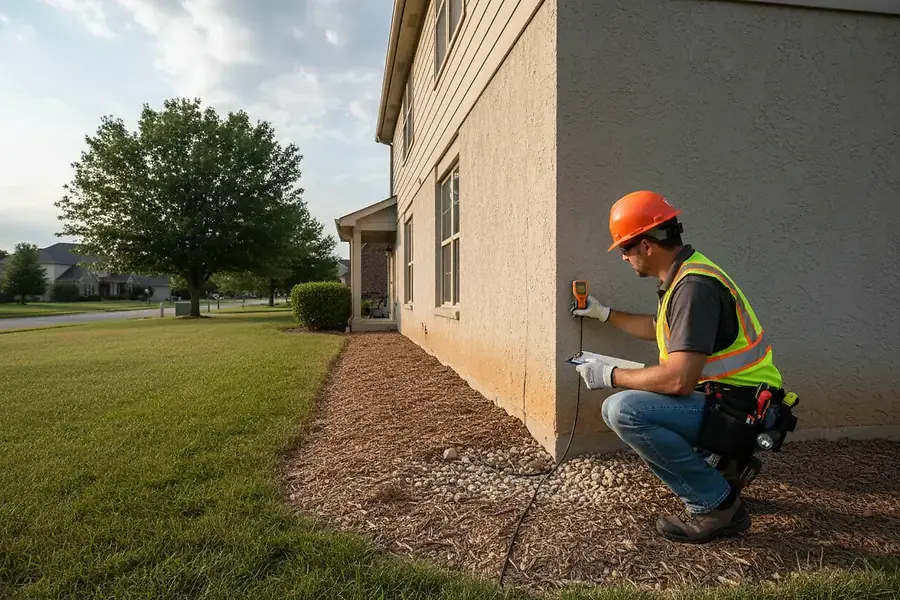
Why Home Inspections Matter for Residential Buyers
Purchasing a home is one of the most significant financial decisions you'll make in your lifetime. A professional home inspection is your opportunity to uncover potential issues before you commit to the purchase. A thorough inspection can save you thousands of dollars in unexpected repairs and provide peace of mind about your investment.
Many first-time homebuyers underestimate the importance of inspections, viewing them as an optional expense. However, skipping this crucial step could lead to discovering major problems after closing, when you're responsible for all repairs. An inspection report serves as a detailed inventory of your property's condition and helps you negotiate repairs or price adjustments with the seller.
Home inspections typically cost between $300 and $500, a small price compared to the potential cost of hidden structural damage, electrical issues, or plumbing problems. The inspection period—usually 7 to 10 days after making an offer—gives you the window to identify concerns and decide how to proceed.
What Professional Home Inspectors Evaluate During the Inspection Process
Structural Components and Foundation
Inspectors begin by examining the home's foundation and structural integrity. They look for:
- Cracks in the foundation or basement walls
- Signs of settling or shifting
- Water damage or moisture intrusion
- Proper grading around the foundation
Foundation issues are among the most expensive to repair, making this assessment critical to your decision-making process.
Roofing and Exterior
The roof protects your entire home from the elements. Inspectors evaluate:
- Roof age and remaining lifespan
- Missing, damaged, or curling shingles
- Flashing around chimneys and vents
- Gutters and downspouts condition
- Exterior siding and trim for damage
A roof replacement can cost $10,000 to $25,000 or more, so understanding its condition is essential.
Plumbing Systems
Water systems are vital to daily living. Inspectors check:
- Water pressure and flow rates
- Pipe materials and condition
- Presence of leaks or water stains
- Septic system or sewer connection functionality
- Water heater age and operation
Electrical Systems
Faulty electrical work poses serious safety risks. Inspectors examine:
- Panel capacity and breaker condition
- Grounding and bonding
- Outlet and switch functionality
- Presence of outdated wiring (such as aluminum)
- GFCI protection in wet areas
HVAC and Climate Control
Heating and cooling systems require regular maintenance. Inspectors assess:
- Furnace or heat pump age and efficiency
- Air conditioning unit operation
- Ductwork condition and sealing
- Thermostat functionality
Interior Conditions
Inspectors also evaluate interior elements including:
- Walls, ceilings, and floors for damage
- Windows and doors operation
- Insulation levels
- Appliances included in the sale
- Stairs and railings safety
Red Flags and Common Issues Found in Residential Properties
Water Damage and Mold
Water damage is one of the most common and costly issues found during inspections. Look for water stains on ceilings, walls, or in basements. Mold growth indicates prolonged moisture problems and can affect indoor air quality and health.
"Water damage that isn't properly addressed can compromise the structural integrity of your home and create health hazards for your family."
Outdated Electrical Systems
Older homes may have aluminum wiring or insufficient panel capacity. These issues can create fire hazards and may require expensive upgrades to meet current safety codes.
Roof Problems
Aging roofs, missing shingles, and poor flashing are frequent findings. If the roof is nearing the end of its lifespan, budget for replacement within the next few years.
HVAC System Age
Furnaces and air conditioning units typically last 15-20 years. If systems are older, expect replacement costs in your near future.
Plumbing Issues
Corroded pipes, low water pressure, and outdated materials like galvanized steel can indicate the need for system replacement or repairs.
Foundation Cracks
While minor cracks are common, large or widening cracks may indicate serious structural problems that require professional evaluation and potentially expensive repairs.
Pest Infestations
Evidence of termites, rodents, or other pests should be taken seriously. Professional pest control and potential structural repairs may be necessary.
Using Inspection Results to Make Confident Purchasing Decisions
Understanding Your Inspection Report
A comprehensive inspection report will categorize findings by severity. Items marked as "safety concerns" require immediate attention, while "maintenance items" can often be addressed over time.
Negotiating with the Seller
Armed with your inspection report, you have several options:
- Request the seller make repairs before closing
- Ask for a price reduction to cover repair costs
- Request a credit at closing for repairs
- Walk away from the deal if issues are too significant
Planning for Future Maintenance
Even if you proceed with the purchase, use the inspection report to plan maintenance and budget for upcoming repairs. This helps you avoid financial surprises and maintain your home's value.
Getting a Second Opinion
For major issues like foundation problems or roof damage, consider hiring a specialist for a detailed evaluation. This additional investment can clarify repair costs and timelines.
Remember, a home inspection is an investment in your future. It provides the information you need to make an informed decision about one of life's biggest purchases. Don't let inspection costs deter you—the knowledge gained far outweighs the expense.


