Complete Home Inspection Guide for Residential Property Buyers
Protect your investment by knowing what to look for during a professional home inspection.

Introduction: Why Home Inspections Matter for Residential Purchases
Purchasing a home is one of the most significant financial decisions you'll make in your lifetime. A professional home inspection is your opportunity to uncover potential issues before committing to the purchase. Rather than relying solely on the seller's disclosure or your initial impression, a thorough inspection provides an objective assessment of the property's condition.
Home inspections protect your investment by identifying costly repairs, safety hazards, and structural problems that may not be visible to the untrained eye. Whether you're a first-time homebuyer or an experienced investor, understanding what inspectors look for can help you negotiate better terms, plan for future maintenance, and avoid purchasing a property with hidden defects.
Key Areas to Evaluate: Structural, Mechanical, and Systems Assessment
Foundation and Structural Integrity
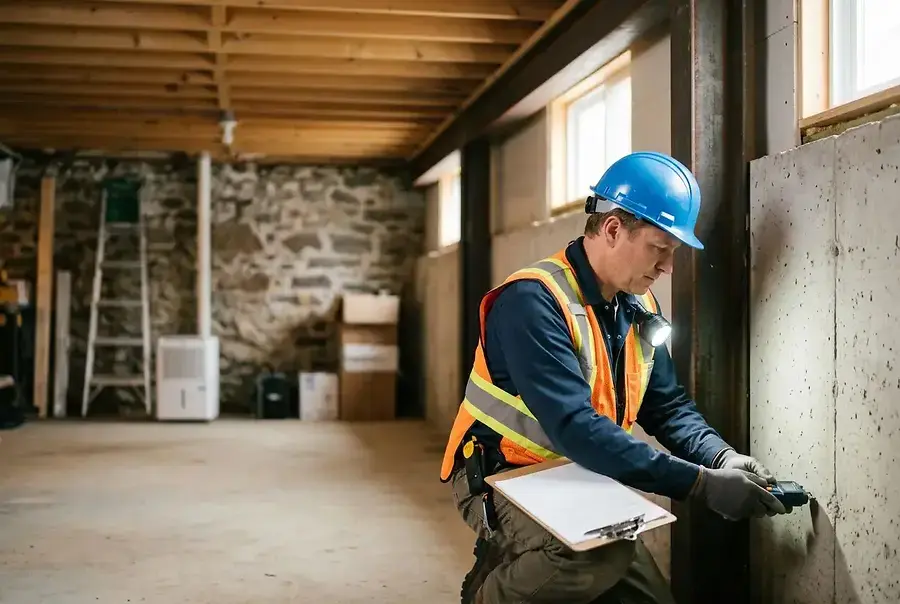
The foundation is the backbone of any home. Inspectors examine the foundation for cracks, settling, water damage, and signs of movement. Look for horizontal cracks, which are more concerning than vertical ones, as they may indicate serious structural problems. The inspector will also assess the basement or crawl space for moisture, mold, and proper drainage.
- Check for visible cracks in concrete or brick
- Inspect for water stains and dampness
- Evaluate grading and drainage around the foundation
- Look for signs of pest damage or wood rot
Roofing System
Your roof protects everything beneath it, making its condition critical. Inspectors evaluate the roof's age, material type, and overall condition. Most asphalt shingle roofs last 15-20 years, so understanding your roof's age helps you plan for replacement costs.
- Assess shingle condition and missing pieces
- Check for proper ventilation and attic conditions
- Inspect flashing around chimneys and vents
- Look for signs of leaks or water damage
Plumbing and Water Systems
A comprehensive plumbing inspection includes checking water pressure, drainage, and the condition of pipes. Inspectors test all fixtures, look for leaks, and assess the water heater's age and functionality. Older homes may have outdated plumbing materials that require replacement, which can be expensive.
- Test water pressure and flow rates
- Check for leaks under sinks and around toilets
- Inspect the water heater for age and corrosion
- Evaluate septic systems or sewer connections
Electrical System
The electrical system must be safe and adequate for modern living. Inspectors examine the main panel, circuit breakers, outlets, and wiring. Outdated systems or improper installations can pose fire hazards and may not support today's electrical demands.
- Verify proper grounding and bonding
- Check for outdated fuses or inadequate panel capacity
- Test outlets for proper polarity and grounding
- Inspect visible wiring for damage or deterioration
HVAC System
Heating, ventilation, and air conditioning systems are essential for comfort and indoor air quality. Inspectors assess the furnace, air conditioner, and ductwork for proper operation and maintenance needs. Regular maintenance can extend HVAC lifespan and improve efficiency.
- Check heating and cooling system operation
- Inspect ductwork for leaks and proper insulation
- Evaluate thermostat functionality
- Assess filter condition and maintenance history
Interior and Exterior Conditions
Inspectors examine walls, ceilings, floors, doors, and windows for damage, wear, and proper function. They also evaluate the exterior, including siding, trim, gutters, and landscaping. These elements affect both aesthetics and the home's protection from weather.
Red Flags and Warning Signs That Require Further Investigation
Certain findings during an inspection warrant immediate attention and may require specialist evaluation:
Structural Concerns
Horizontal foundation cracks, significant settling, or evidence of previous foundation repairs should trigger a structural engineer's evaluation before proceeding with the purchase.
Water Damage and Mold
Water stains, musty odors, or visible mold indicate moisture problems that can affect health and structural integrity. Professional mold testing and remediation may be necessary, and the source of moisture must be identified and corrected.
Outdated or Unsafe Systems
Knob-and-tube wiring, asbestos materials, lead paint, or outdated plumbing require professional assessment. These issues may necessitate costly upgrades or remediation to meet current safety standards.
Pest Infestation
Evidence of termites, carpenter ants, or rodents indicates a pest problem that requires professional treatment. Termite damage can be particularly costly and may compromise structural integrity.
Roof and Chimney Issues
A roof nearing the end of its lifespan, missing flashing, or a deteriorating chimney can lead to expensive repairs. Budget for replacement or repairs when these issues are identified.
Conclusion: Making Informed Decisions with Inspection Results
A professional home inspection provides invaluable information that empowers you to make informed decisions. Use the inspection report to negotiate repairs or credits with the seller, plan for future maintenance, and understand the true condition of your potential investment.
Don't skip the inspection or ignore findings. Instead, work with your real estate agent and inspector to understand the implications of any issues discovered. Some problems are minor and easily fixed, while others may significantly impact the property's value and your long-term satisfaction.
By thoroughly evaluating structural integrity, mechanical systems, and potential red flags, you protect yourself from costly surprises and ensure you're making a sound investment in your new home. Take the time to understand the inspection results, ask questions, and make decisions based on complete information rather than emotion or pressure.


