Complete Home Inspection Guide for Rural Tennessee Homebuyers
Essential inspection tips and red flags to watch for when purchasing residential properties in Centerville, Dickson, Hohenwald, Linden, and Waverly.

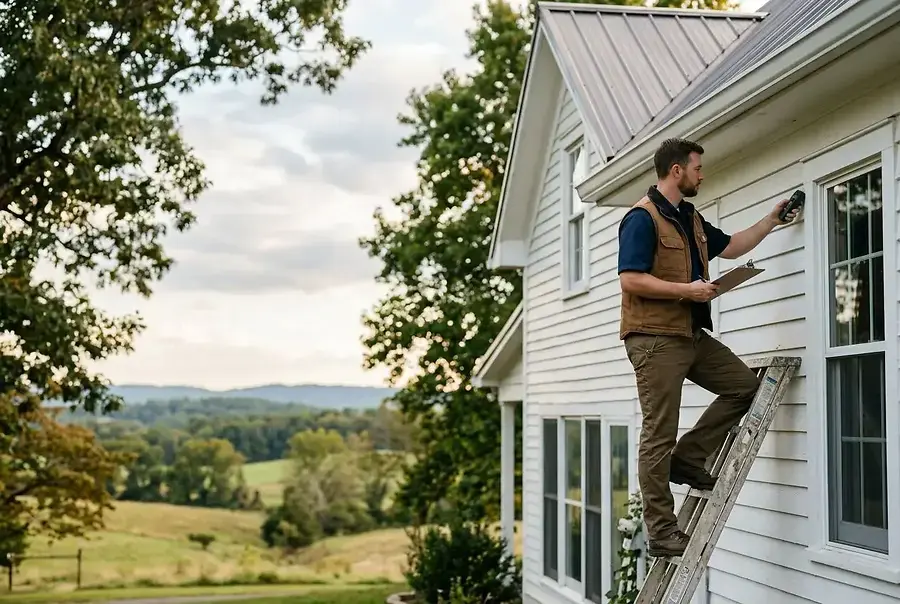
Why Home Inspections Matter in Rural Tennessee Communities
Purchasing a home in rural Tennessee communities like Centerville, Dickson, Hohenwald, Linden, and Waverly is an exciting milestone, but it requires careful due diligence. A comprehensive home inspection is one of the most critical steps in the buying process, serving as your protection against costly surprises after closing. Rural properties often present unique challenges that differ significantly from urban and suburban homes, making professional inspections even more essential.
Rural homes frequently rely on private well systems, septic tanks, and individual HVAC solutions rather than municipal utilities. These systems require specialized knowledge to evaluate properly. Additionally, older rural properties may have outdated electrical systems, foundation issues, or structural concerns that aren't immediately visible to the untrained eye. A thorough inspection can save you thousands of dollars in unexpected repairs and provide peace of mind about your investment.
Common Inspection Issues Found in Older Rural Homes
Water and Septic System Problems
One of the most significant concerns in rural Tennessee properties is the condition of private water wells and septic systems. Water quality testing is essential and should include bacterial analysis, mineral content, and pH levels. Septic systems require careful evaluation of tank integrity, drain field functionality, and proper maintenance history. Look for signs of system failure such as slow drains, odors, or wet patches in the yard.
Electrical System Deficiencies
Older rural homes may have outdated electrical systems that don't meet current safety standards. Common issues include:
- Knob-and-tube wiring that poses fire hazards
- Insufficient grounding and bonding
- Undersized electrical panels unable to handle modern appliance loads
- Lack of GFCI outlets in wet areas
A licensed electrician should always inspect the electrical system to ensure it meets current code requirements and can safely support your household needs.
Foundation and Structural Concerns
Rural properties built decades ago may have foundation issues that have worsened over time. Watch for:
- Cracks in basement walls or crawl space foundations
- Uneven or sagging floors indicating structural settlement
- Water intrusion and moisture damage in basements
- Deteriorating support posts or beams
These issues can be expensive to repair and may indicate deeper problems with the home's structural integrity.
Roofing and Weather Protection
Tennessee's climate brings heavy rains, occasional ice storms, and significant temperature fluctuations. Inspect the roof for:
- Missing or damaged shingles
- Deteriorated flashing around chimneys and vents
- Signs of leaks in attic spaces
- Inadequate ventilation leading to moisture buildup
A compromised roof can lead to extensive water damage throughout the home, making this inspection area particularly important.
HVAC System Age and Efficiency
Many rural homes have aging heating and cooling systems that may be nearing the end of their lifespan. Verify the age of furnaces and air conditioning units, as systems over 15-20 years old often require replacement. Check for proper maintenance records and ensure ductwork is intact and properly sealed.
What to Expect During the Inspection Process and Timeline
Pre-Inspection Preparation
Before the inspector arrives, ensure the home is accessible. Unlock all doors, clear attic access points, and make sure the basement or crawl space is navigable. Provide the inspector with any available documentation regarding previous repairs, system maintenance, or known issues.
The Inspection Timeline
A thorough home inspection typically takes 2-4 hours, depending on the property's size and age. The inspector will systematically evaluate:
- Exterior condition including siding, windows, and landscaping
- Roof structure and covering
- Interior walls, ceilings, and flooring
- Kitchen and bathroom fixtures and functionality
- Electrical panel and visible wiring
- Plumbing systems and water pressure
- HVAC equipment and ductwork
- Attic, basement, and crawl spaces
- Well and septic systems (for rural properties)
The Inspection Report
Within 24-48 hours, you'll receive a detailed written report documenting all findings. The report typically categorizes issues by severity: safety concerns requiring immediate attention, significant defects affecting home value, and minor maintenance items. Use this report to negotiate repairs or credits with the seller, or to make an informed decision about proceeding with the purchase.
Follow-Up Inspections
For properties with specialized systems like wells or septic tanks, consider hiring licensed specialists for in-depth evaluations. These experts can provide detailed assessments and cost estimates for any necessary repairs or replacements.
Protecting Your Investment in Mid-Tennessee Real Estate
Investing in rural Tennessee real estate offers wonderful opportunities for peaceful living and property ownership. However, protecting that investment requires diligence and thorough inspection practices.
A comprehensive home inspection is not an expense—it's an investment in your peace of mind and financial security.
Work with experienced local inspectors who understand the unique characteristics of rural Tennessee properties. Don't skip inspections to save money, and always review findings carefully before making your final purchase decision. By following these guidelines and remaining vigilant about potential issues, you can confidently move forward with your home purchase in Centerville, Dickson, Hohenwald, Linden, Waverly, or other Mid-Tennessee communities.


