Complete Home Inspection Guide for Safety Harbor Florida Buyers
Essential steps to protect your investment and uncover hidden issues before closing on your Safety Harbor property.

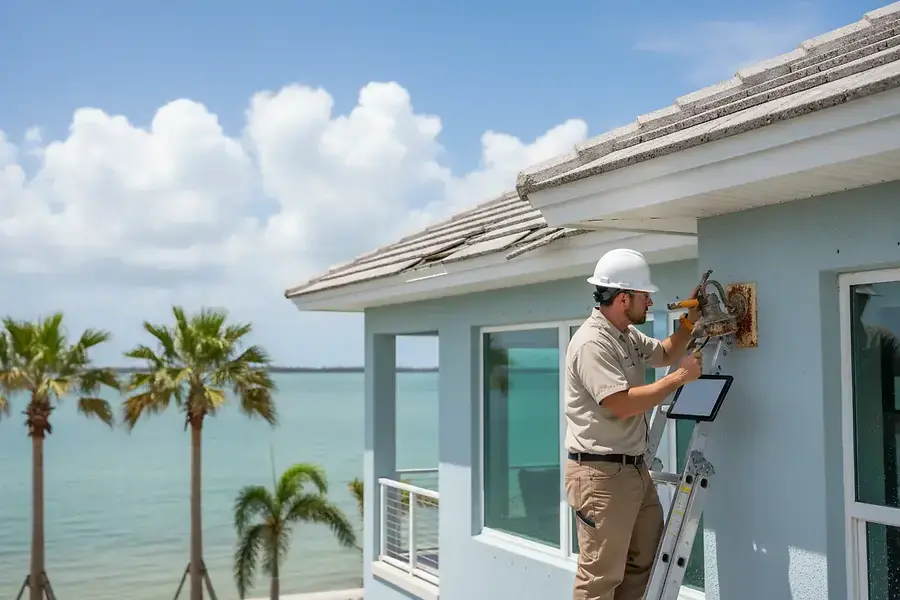
Why Home Inspections Matter in Safety Harbor's Market
Purchasing a home is one of the most significant investments you'll make in your lifetime. In Safety Harbor, Florida, where coastal properties command premium prices and face unique environmental challenges, a thorough home inspection becomes absolutely critical. A professional inspection can reveal hidden defects that could cost thousands of dollars to repair after closing.
Safety Harbor's unique location near the Gulf of Mexico means properties face specific risks that inland homes don't encounter. Salt air corrosion, moisture infiltration, and hurricane-related wear are common issues that require specialized knowledge to identify. By investing in a comprehensive inspection before closing, you protect yourself from inheriting expensive problems and gain valuable negotiating power.
Don't skip this step. Even newer homes can have construction defects, and older properties may harbor issues that aren't immediately visible. A qualified home inspector serves as your advocate, documenting everything and providing you with a detailed report to guide your purchasing decision.
Critical Areas to Inspect: Structural, Plumbing, and HVAC Systems
Structural Integrity
The foundation and structural components of your Safety Harbor home are its backbone. Inspectors will examine:
- Foundation cracks and settling issues
- Roof condition and remaining lifespan
- Wall framing and support beams
- Signs of water damage or wood rot
- Proper ventilation in attics and crawl spaces
Florida's sandy soil and high water table can create foundation problems over time. Look for diagonal cracks in walls, sloping floors, or doors that don't close properly—these are red flags that warrant professional evaluation.
Plumbing Systems
Florida homes often deal with unique plumbing challenges due to mineral-rich water and corrosive salt air. Your inspector should evaluate:
- Water pressure and flow rates
- Pipe material and condition (galvanized, copper, PVC)
- Water heater age and functionality
- Septic system or municipal sewer connection
- Evidence of leaks or water damage
Pro tip: Ask about the age of the water heater. In Florida's climate, these typically last 8-10 years before replacement becomes necessary.
HVAC Systems
Air conditioning isn't a luxury in Safety Harbor—it's essential. Your inspector will check:
- AC unit age and cooling capacity
- Proper refrigerant levels
- Ductwork condition and sealing
- Thermostat functionality
- Maintenance records and service history
A well-maintained HVAC system can last 15-20 years, but Florida's heat and humidity accelerate wear. Budget for potential replacement if the system is over 12 years old.
Waterfront Considerations: Salt Air and Moisture Damage Assessment
Salt Air Corrosion
If your Safety Harbor property is near the water, salt air exposure becomes a major concern. This corrosive environment affects:
- Metal fixtures and hardware (door hinges, railings, fasteners)
- HVAC condenser units and outdoor equipment
- Exterior paint and sealants
- Aluminum window frames and screens
- Deck and dock structures
Inspectors should specifically note any accelerated corrosion, as replacement costs for waterfront properties can be substantial.
Moisture and Mold Assessment
Moisture intrusion is the enemy of Florida homes. High humidity, salt spray, and occasional flooding create ideal conditions for mold growth. Your inspector should examine:
- Attic ventilation and moisture levels
- Crawl space conditions
- Window and door seals
- Grading and drainage around the foundation
- Any visible mold or musty odors
- Previous water damage indicators
If mold is detected, you may need a specialized mold inspection and remediation estimate before proceeding with your purchase.
Hurricane Preparedness Features
Safety Harbor's location means hurricane readiness matters. Check for:
- Impact-resistant windows and doors
- Roof straps and hurricane ties
- Proper roof-to-wall connections
- Adequate drainage systems
- Backup generator or transfer switch installation
What to Do With Inspection Results and Negotiating Repairs
Understanding Your Inspection Report
A comprehensive inspection report will categorize findings by severity. Typically, you'll see:
- Critical Issues: Safety hazards or major system failures requiring immediate attention
- Major Issues: Significant defects that will need repair within a reasonable timeframe
- Minor Issues: Small problems or maintenance recommendations
Don't be alarmed if the report is lengthy. Most homes have some issues—the key is understanding which ones matter most.
Negotiation Strategies
Once you have your inspection results, you have several options:
- Request repairs: Ask the seller to fix critical and major issues before closing
- Request credits: Negotiate a price reduction to cover repair costs yourself
- Request inspections: For major issues, ask for specialized inspections (mold, structural, etc.)
- Walk away: If issues are too extensive, you can terminate the contract during the inspection period
Important: Work with your real estate agent and attorney to understand your local contract terms and negotiation windows. Safety Harbor's market moves quickly, so timing is crucial.
Post-Inspection Next Steps
After negotiating repairs or credits, request written confirmation of all agreements. Before closing:
- Verify that agreed-upon repairs were completed properly
- Conduct a final walk-through inspection
- Obtain receipts and warranties for any repairs made
- Ask for maintenance records and system manuals
A home inspection is your opportunity to make an informed decision about one of life's biggest purchases. In Safety Harbor's competitive market, don't let excitement override due diligence.
Moving Forward with Confidence
By following this comprehensive inspection guide, you'll enter your Safety Harbor home purchase with confidence and clarity. A thorough inspection protects your investment, reveals hidden costs, and gives you the information needed to make the best decision for your family. Remember: the cost of a professional inspection is minimal compared to the potential savings and peace of mind it provides.


