Complete Home Inspection Guide for Saint Louis Homebuyers
Discover what professional inspectors look for and how to protect your investment in the Saint Louis market.

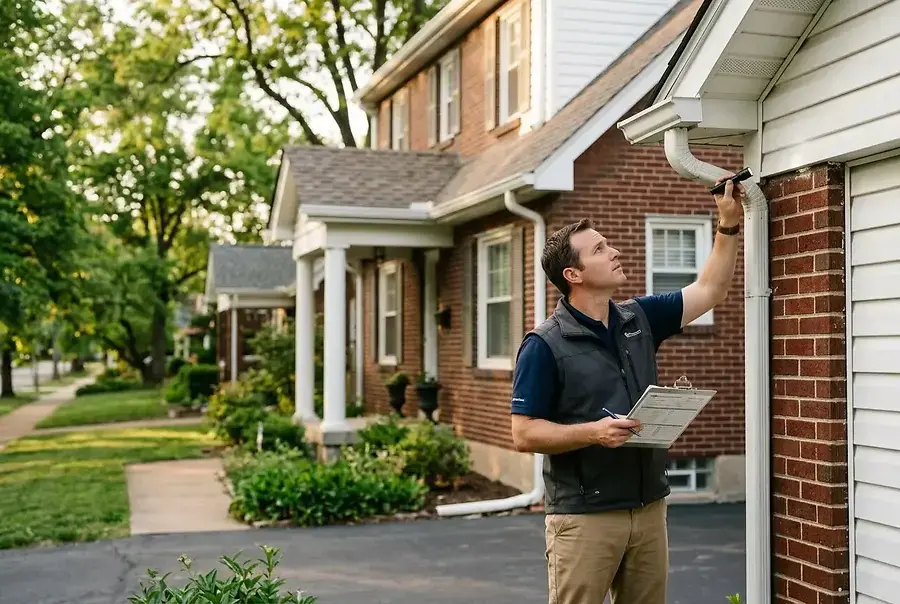
Understanding the Saint Louis Home Inspection Process
Purchasing a home is one of the most significant investments you'll make in your lifetime. In the Saint Louis market, a professional home inspection is a critical step in the buying process that can save you thousands of dollars in unexpected repairs. Understanding what happens during an inspection will help you make informed decisions about your potential new home.
A typical home inspection in Saint Louis takes between two to four hours, depending on the property's size and age. During this time, a certified inspector will examine the structural components, mechanical systems, and overall condition of the home. You have the right to be present during the inspection, and many experts recommend attending to ask questions and learn about the property's condition firsthand.
What Inspectors Examine
Professional home inspectors follow a standardized checklist that covers multiple areas of your potential home:
- Foundation and Structure: Inspectors look for cracks, settling, water damage, and structural integrity issues
- Roof and Attic: They assess the roof's age, condition, and remaining lifespan, plus check for proper ventilation
- Plumbing Systems: Water pressure, drainage, pipe materials, and potential leaks are evaluated
- Electrical Systems: Panel condition, wiring safety, and outlet functionality are tested
- HVAC Systems: Heating and cooling efficiency, age, and maintenance history are reviewed
- Exterior Elements: Siding, windows, doors, gutters, and grading are inspected for damage
- Interior Conditions: Walls, ceilings, floors, and built-in appliances are examined
Common Issues Found in Saint Louis Properties
Saint Louis has a unique climate and architectural heritage that creates specific inspection concerns. Understanding these common issues can help you anticipate potential problems and negotiate accordingly.
Water Damage and Moisture Issues
The Saint Louis area experiences significant rainfall and humidity, making water intrusion one of the most frequent issues inspectors find. Basements and crawl spaces are particularly vulnerable to moisture problems, which can lead to mold growth and structural damage if left unaddressed. Inspectors will look for water stains, efflorescence (white mineral deposits), and signs of previous water damage.
Aging Roof Systems
Many Saint Louis homes feature older roofing materials that may be nearing the end of their lifespan. Asphalt shingles typically last 15-20 years, and inspectors will assess whether replacement is imminent. This is crucial information for budgeting your post-purchase maintenance.
Outdated Electrical Systems
Older Saint Louis homes may still have aluminum wiring or outdated electrical panels that don't meet current safety standards. These issues require professional remediation and should be factored into your negotiation strategy.
HVAC System Age
Heating and cooling systems typically last 15-25 years. Inspectors will determine the age and condition of your home's HVAC system, as replacement can be a significant expense.
Red Flags and When to Negotiate Repairs
Not every issue found during an inspection requires renegotiation. Understanding which problems are serious will help you prioritize your concerns and make strategic decisions.
Major Red Flags
These issues typically warrant serious negotiation or further investigation:
- Foundation cracks or structural damage that affects the home's integrity
- Active water intrusion or extensive mold growth
- Electrical hazards or outdated systems requiring complete replacement
- Roof damage requiring immediate replacement
- Failing septic systems or major plumbing issues
- Asbestos or lead paint in homes built before 1980
Negotiation Strategies
When you receive your inspection report, you have several options. You can request that the seller make repairs before closing, ask for a credit toward repairs you'll handle yourself, or request a price reduction to account for the issues. In the competitive Saint Louis market, your negotiating position depends on how many other offers the seller has received.
"The inspection report is your roadmap to making an informed decision. Don't ignore findings—use them as leverage to protect your investment."
Minor Issues to Accept
Some findings are normal wear and tear that shouldn't derail your purchase. Cosmetic issues, minor caulking gaps, or small repairs that cost under $500 are typically not worth renegotiating, especially in a competitive market.
Moving Forward with Confidence
Once you understand the inspection findings, you're equipped to make a confident decision about your Saint Louis home purchase. Don't let inspection results paralyze you—instead, use them as a tool for informed decision-making.
Getting Professional Estimates
For any significant issues, obtain written estimates from licensed contractors. This gives you concrete numbers to use in negotiations and helps you understand the true cost of repairs.
Planning Your Post-Purchase Maintenance
Even if you negotiate repairs, create a maintenance plan for the systems and components that are aging but still functional. Regular maintenance can extend the life of your HVAC system, roof, and plumbing.
Final Thoughts
A professional home inspection is your best defense against costly surprises after closing. In the Saint Louis market, where older homes with unique characteristics are common, a thorough inspection provides invaluable peace of mind. Take the inspection seriously, ask questions, and use the findings to make the best decision for your family and your financial future.
Remember, no home is perfect. The goal of an inspection isn't to find a flawless property—it's to understand what you're buying and to negotiate fairly based on that knowledge. With this guide in hand, you're ready to navigate the Saint Louis home buying process with confidence.


