Complete Home Inspection Guide for San Diego County Residential Buyers
Learn what professional inspectors look for and how to protect your investment when purchasing residential property across Murrieta, Oceanside, Temecula, and surrounding communities.

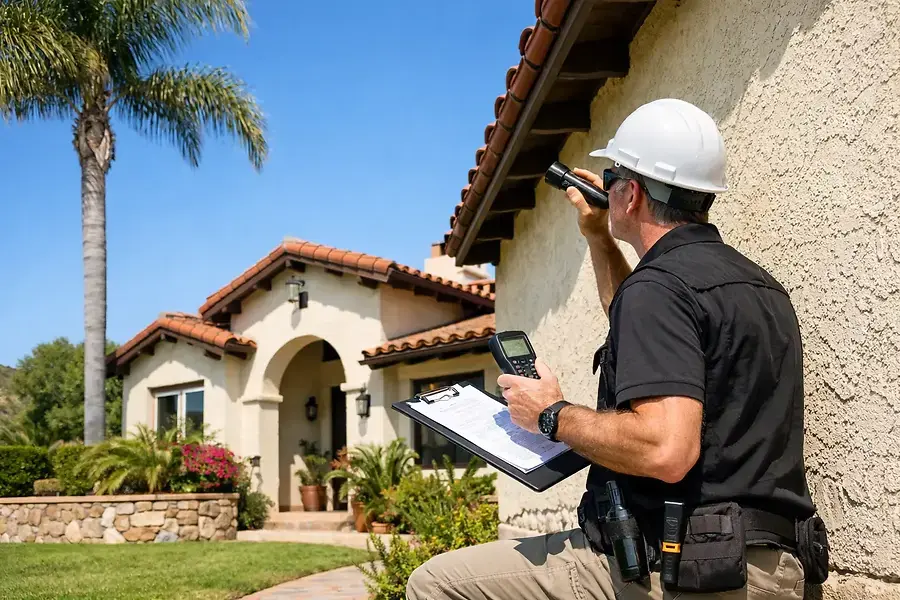
Introduction: Why Home Inspections Matter for Residential Purchases
Purchasing a home is one of the most significant financial decisions you'll make in your lifetime. Whether you're buying in Murrieta, Oceanside, Temecula, or anywhere across San Diego County, a professional home inspection is an essential step in protecting your investment. A thorough inspection provides you with detailed information about the property's condition, helping you make informed decisions and negotiate repairs or price adjustments before closing.
Many first-time homebuyers underestimate the importance of inspections, viewing them as an optional expense. However, inspections can reveal hidden problems that could cost thousands of dollars to repair after purchase. By understanding what inspectors examine and what to expect during the process, you'll be better equipped to navigate your home purchase with confidence.
What Professional Inspectors Examine During a Standard Home Inspection
Structural Components and Foundation
Professional inspectors begin by evaluating the home's structural integrity. They examine the foundation for cracks, settling, or water damage that could indicate serious problems. They assess the condition of walls, floors, and ceilings, looking for signs of movement or deterioration. The inspector will also check the roof structure, framing, and overall stability of the building.
Roofing and Exterior
The roof is one of the most critical components of any home. Inspectors evaluate:
- Shingle or tile condition and remaining lifespan
- Flashing around chimneys, vents, and skylights
- Gutters and downspouts for proper drainage
- Exterior walls, siding, and paint condition
- Windows and doors for proper sealing and operation
Plumbing Systems
A comprehensive plumbing inspection includes checking water pressure, drainage, and the condition of pipes. Inspectors look for leaks, corrosion, and outdated materials. They test all fixtures, including sinks, toilets, showers, and bathtubs. Water heater age and condition are also evaluated, as replacement can be a significant expense.
Electrical Systems
Inspectors examine the electrical panel, wiring, outlets, and switches throughout the home. They verify that the system is properly grounded and that the home has adequate electrical capacity for modern appliances. Outdated wiring or safety hazards are documented and reported.
HVAC Systems
Heating, ventilation, and air conditioning systems are tested for proper operation. Inspectors check furnace and air conditioning unit age, efficiency, and maintenance history. They also evaluate ductwork and thermostat functionality to ensure year-round comfort.
Interior Components
Professional inspectors examine interior elements including:
- Insulation levels and ventilation
- Drywall and interior walls for damage
- Flooring condition and stability
- Doors and windows operation
- Cabinets and built-in storage
- Appliances included in the sale
Safety and Environmental Concerns
Modern inspections include screening for potential hazards such as mold, asbestos, lead paint, and radon. While some inspectors provide basic screening, specialized testing may be recommended for older homes or properties with visible concerns.
Regional Considerations: Building and Environmental Issues Common to San Diego County Properties
Drought and Water Management
San Diego County's semi-arid climate means water conservation is critical. Inspectors pay special attention to irrigation systems, landscape design, and water-efficient fixtures. Properties with aging sprinkler systems or poor drainage may require upgrades to comply with local water conservation standards.
Soil Conditions and Drainage
The region's diverse soil composition can affect foundation stability and drainage. Inspectors evaluate grading around the property to ensure water flows away from the foundation. Poor drainage can lead to flooding, foundation damage, and mold growth—particularly important in areas prone to seasonal rains.
Wildfire Risk and Fire-Resistant Features
Properties in Murrieta, Temecula, and surrounding communities may be in or near wildfire-prone areas. Inspectors assess defensible space, roof materials, and exterior construction for fire resistance. Homes with Class A fire-rated roofing and ember-resistant vents are better protected against wildfire threats.
Coastal Properties and Salt Air Exposure
For homes in Oceanside and other coastal communities, salt air corrosion is a significant concern. Inspectors examine metal components, exterior finishes, and HVAC systems for salt damage. Coastal properties may require more frequent maintenance and specialized materials to withstand environmental conditions.
Seismic Considerations
California's earthquake risk means inspectors evaluate structural bracing, foundation bolting, and chimney stability. Older homes may lack proper seismic reinforcement, which could be a safety concern and insurance consideration.
Local Building Code Compliance
San Diego County has specific building codes and regulations. Inspectors verify that additions, renovations, and systems comply with current standards. Unpermitted work or code violations can affect insurability and resale value.
Conclusion: Using Inspection Reports to Make Confident Buying Decisions
A comprehensive home inspection report provides you with detailed information about the property's condition and any issues requiring attention. Don't view inspection findings as deal-breakers—instead, use them as negotiating tools. You can request repairs, price reductions, or credits toward closing costs based on inspection results.
When reviewing your inspection report, prioritize major structural and safety issues over cosmetic concerns. Work with your real estate agent and inspector to understand the severity of findings and estimated repair costs. For significant issues, consider obtaining quotes from contractors to inform your negotiations.
Remember that no home is perfect. Even newer properties may have minor issues. The goal of a home inspection is to ensure you understand what you're purchasing and can make an informed decision about your investment. By taking the inspection process seriously and understanding what inspectors examine, you'll be well-prepared to purchase your San Diego County home with confidence.


