Complete Home Inspection Guide for Santa Rosa Beach Property Buyers
What buyers need to know before closing on their coastal property purchase.

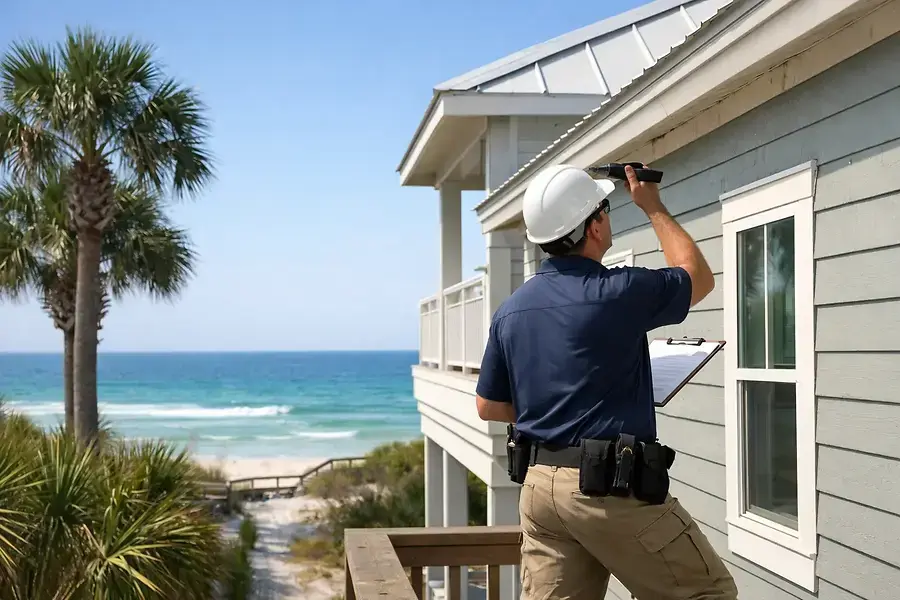
Understanding the Santa Rosa Beach Home Inspection Process
Purchasing a home in Santa Rosa Beach is an exciting investment, but it requires careful due diligence. The home inspection is one of the most critical steps in the buying process. This comprehensive evaluation examines the property's structural integrity, systems, and overall condition before you commit to the purchase.
A professional home inspector will spend several hours examining your potential property, checking everything from the foundation to the roof. The inspection typically includes:
- Structural components and foundation integrity
- Roofing condition and remaining lifespan
- Plumbing and water systems
- Electrical systems and safety
- HVAC systems and climate control
- Windows, doors, and weatherproofing
- Exterior siding and drainage systems
For coastal properties like those in Santa Rosa Beach, inspectors pay special attention to salt air damage, moisture intrusion, and hurricane-resistant features. Make sure your inspector has experience with coastal properties and understands the unique challenges of beachfront living.
Common Issues Found in Coastal Properties
Salt Air Corrosion and Rust
The salt air in Santa Rosa Beach accelerates corrosion on metal components. Inspectors look for rust on HVAC units, metal railings, fasteners, and other exposed metal elements. This is not just a cosmetic issue—corrosion can compromise structural integrity and system functionality.
Moisture and Mold Concerns
Coastal humidity creates an ideal environment for moisture accumulation and mold growth. Common problem areas include:
- Attics and crawl spaces with poor ventilation
- Bathrooms and kitchens without adequate exhaust
- Basement or foundation areas prone to water intrusion
- Window frames and door seals
Mold remediation can be expensive, so identifying moisture issues early is crucial for protecting your investment.
Wind and Storm Damage
Properties in Santa Rosa Beach must withstand coastal weather. Inspectors examine roof condition, window and door seals, and structural bracing. Look for signs of previous storm damage that may have been improperly repaired or inadequately maintained.
Foundation and Structural Issues
Coastal properties are susceptible to foundation problems due to sandy soil conditions and water table fluctuations. Inspectors check for cracks, settling, and signs of water damage that could indicate foundation concerns.
How to Evaluate Inspection Reports and Negotiate Repairs
Understanding the Report
A thorough inspection report will categorize findings by severity. Familiarize yourself with these categories:
- Critical Issues: Problems that pose safety risks or require immediate attention
- Major Issues: Significant defects that will likely need repair soon
- Minor Issues: Small problems that don't require immediate action
- Maintenance Items: Routine upkeep recommendations
Don't ignore minor issues—they can compound over time, especially in coastal environments where deterioration happens faster.
Negotiating Repairs and Credits
Once you receive the inspection report, you have several options:
- Request repairs: Ask the seller to fix critical and major issues before closing
- Negotiate credits: Receive a credit toward closing costs to handle repairs yourself
- Request price reduction: Lower the purchase price to account for necessary repairs
- Walk away: Use inspection findings as grounds to exit the purchase agreement
Pro tip: Get repair estimates from licensed contractors before negotiating. This gives you concrete numbers to discuss with the seller and their agent.
Prioritizing Repairs
Focus negotiations on items that affect safety, structural integrity, and major systems. Cosmetic issues and routine maintenance can often be addressed after purchase. For coastal properties, prioritize:
- Roof condition and hurricane resistance
- Foundation and structural integrity
- Moisture and mold issues
- HVAC and electrical systems
- Weatherproofing and seals
Protecting Your Investment: Next Steps After Inspection
Document Everything
Keep detailed records of all inspection findings, repair estimates, and negotiations. This documentation is valuable for future reference, insurance claims, and potential resale.
Schedule Follow-Up Inspections
For major repairs, consider hiring a specialist inspector to verify that work was completed properly. This is especially important for:
- Roof repairs or replacement
- Foundation work
- Mold remediation
- Electrical or plumbing system upgrades
Establish a Maintenance Plan
Coastal properties require more frequent maintenance than inland homes. Create a schedule for:
- Annual roof inspections
- Quarterly gutter cleaning
- Semi-annual HVAC maintenance
- Regular caulking and weatherproofing checks
- Annual foundation and drainage inspections
Preventive maintenance is far less expensive than dealing with major damage caused by neglect in a coastal environment.
Review Your Insurance Coverage
Ensure your homeowner's insurance adequately covers coastal risks. Standard policies may not include flood or wind damage. Discuss your inspection findings with your insurance agent to confirm you have appropriate coverage for your Santa Rosa Beach property.
Plan for Long-Term Improvements
Use inspection findings to prioritize future upgrades. Consider investing in:
- Hurricane-resistant windows and doors
- Improved drainage systems
- Enhanced ventilation and moisture control
- Roof reinforcement or replacement with coastal-rated materials
A thorough home inspection is your best defense against unexpected expenses and safety issues. By understanding the inspection process, recognizing common coastal property problems, and taking action on findings, you'll protect your Santa Rosa Beach investment for years to come. Don't rush this critical step—your future peace of mind is worth the time and attention.


