Complete Home Inspection Guide for Short Hills Property Buyers
Protect your investment by understanding what inspectors look for in this competitive luxury market.

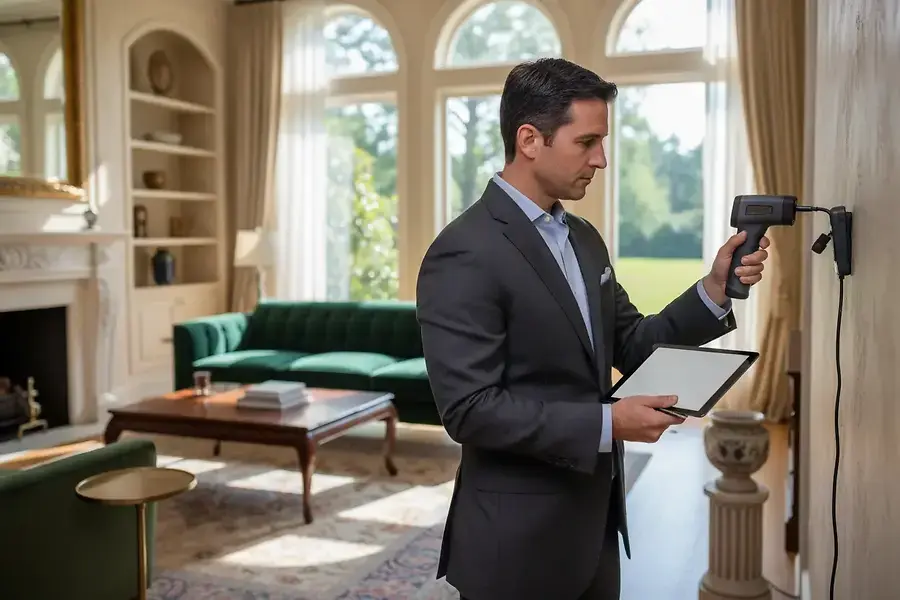
Why Home Inspections Matter in Short Hills
Purchasing a home in Short Hills is a significant financial commitment, especially in this competitive luxury market where properties command premium prices. A professional home inspection is not merely a formality—it's your opportunity to uncover potential issues before closing and negotiate repairs or credits with confidence.
Short Hills properties, many of which are well-established estates with decades of history, require thorough evaluation. Even homes that appear pristine on the surface may harbor hidden structural, mechanical, or electrical issues that could cost thousands to remedy. An experienced inspector serves as your advocate, identifying problems that could affect your home's value, safety, and long-term enjoyment.
The inspection process typically takes 2-4 hours and covers all major systems and components of the home. This investment in due diligence can save you from costly surprises and provide peace of mind as you move forward with your purchase.
Key Areas Inspectors Examine in Established Homes
Structural Integrity and Foundation
Inspectors begin by evaluating the foundation, walls, and overall structural soundness. In older Short Hills homes, they look for:
- Foundation cracks or settling issues
- Water damage or moisture intrusion
- Basement or crawl space conditions
- Roof structure and framing integrity
Structural problems are among the most expensive to repair, making this assessment critical for your investment protection.
Roofing and Exterior Systems
The roof is your home's first line of defense against the elements. Inspectors evaluate:
- Roof age, condition, and remaining lifespan
- Shingles, flashing, and gutters
- Siding, windows, and exterior doors
- Drainage systems and grading
A roof replacement can easily exceed $15,000-$30,000, so understanding its condition is essential for budgeting.
Plumbing Systems
Water-related issues are common in established homes. Inspectors check:
- Water pressure and flow rates
- Pipe materials and condition (galvanized, copper, PVC)
- Water heater age and functionality
- Drainage systems and septic conditions (if applicable)
- Signs of leaks or water damage
Corroded pipes or outdated plumbing systems may require replacement, which is a significant undertaking in luxury homes.
Electrical Systems
Electrical safety is paramount. Inspectors evaluate:
- Panel capacity and condition
- Wiring type and age (knob-and-tube wiring is a major red flag)
- Outlet and switch functionality
- Grounding and bonding systems
- Code compliance and safety hazards
Outdated electrical systems may not support modern appliances and technology, requiring costly upgrades.
HVAC and Climate Control
Heating and cooling systems are essential for comfort and property value. Inspectors assess:
- Furnace and air conditioning unit age and efficiency
- Ductwork condition and insulation
- Thermostat functionality
- System maintenance history
Interior Conditions
Inspectors also examine:
- Flooring condition and potential water damage
- Walls, ceilings, and paint quality
- Doors, windows, and hardware
- Kitchen and bathroom fixtures
- Appliances and built-in systems
Red Flags and How to Negotiate After Inspection Results
Major Red Flags to Watch For
Structural issues such as foundation cracks, settling, or water intrusion require immediate professional evaluation and can significantly impact property value.
Outdated electrical systems, particularly knob-and-tube wiring or inadequate panel capacity, pose safety risks and may require complete rewiring.
Plumbing problems including galvanized pipes, active leaks, or low water pressure indicate potential costly repairs ahead.
Roof concerns such as missing shingles, deterioration, or nearing the end of its lifespan suggest imminent replacement needs.
HVAC failures or systems beyond their expected lifespan will require replacement, a substantial expense.
Negotiation Strategies
Once you receive the inspection report, you have several options:
- Request repairs: Ask the seller to fix identified issues before closing
- Request credits: Negotiate a credit toward closing costs to address repairs yourself
- Request price reduction: Adjust the purchase price to reflect necessary repairs
- Walk away: If issues are too severe, you may choose to terminate the contract
In Short Hills' competitive market, sellers may be less willing to negotiate. However, significant structural, electrical, or plumbing issues provide legitimate grounds for renegotiation. Document everything with professional estimates to support your negotiating position.
Pro tip: Hire a specialized inspector for major concerns. If the general inspection reveals electrical issues, hire a licensed electrician for a detailed evaluation. This strengthens your negotiating position with concrete professional assessments.
Making Informed Decisions Before Closing
A thorough home inspection empowers you to make informed decisions about your Short Hills property purchase. Understanding what inspectors examine and recognizing red flags allows you to:
- Identify potential costs and budget accordingly
- Negotiate confidently based on professional findings
- Plan for necessary repairs and upgrades
- Protect your investment and financial interests
Don't skip the inspection to expedite closing or appear like an easier buyer in a competitive market. The few hundred dollars spent on a professional inspection can save you tens of thousands in unexpected repairs and provide invaluable peace of mind.
Work with a qualified home inspector who has experience with established luxury homes in Short Hills. Their expertise in identifying issues specific to older properties in this market is invaluable. Before closing, you'll have the knowledge and documentation needed to move forward confidently in your new Short Hills home.


