Complete Home Inspection Guide for Smithville, MO Homebuyers
Learn what to look for during a home inspection to protect your investment and avoid costly surprises.

Understanding the Home Inspection Process
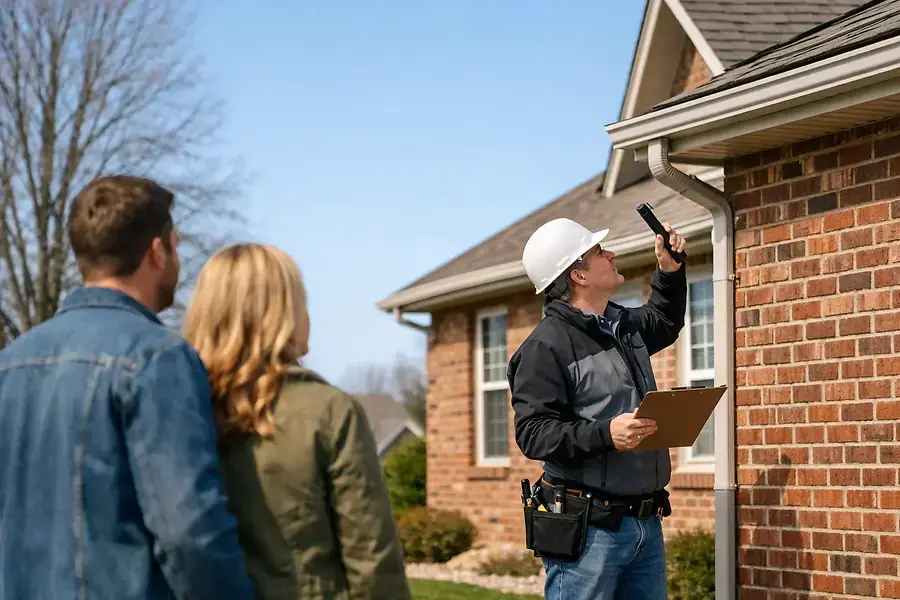
Purchasing a home is one of the most significant investments you'll make in your lifetime. In Smithville, MO, a professional home inspection is a critical step in the buying process that can save you thousands of dollars in unexpected repairs and maintenance costs. A home inspection is a thorough examination of a property's physical structure and systems, conducted by a licensed inspector who provides an objective assessment of the home's condition.
The inspection typically takes between two to four hours, depending on the size and age of the property. During this time, the inspector will evaluate the home's foundation, roof, plumbing, electrical systems, HVAC, and more. As a homebuyer, you have the right to be present during the inspection, and it's highly recommended that you attend. This gives you the opportunity to ask questions and understand potential issues firsthand.
Why Home Inspections Matter in Smithville
Smithville homes, like properties throughout Missouri, face unique environmental and structural challenges. The region's climate, soil composition, and weather patterns can affect homes differently than properties in other areas. A local inspector familiar with Smithville's specific conditions will better understand how these factors impact your potential home purchase.
Key Areas Inspectors Examine in Smithville Homes
Foundation and Structural Integrity
The foundation is the backbone of any home. Inspectors look for cracks, settling, water damage, and signs of structural movement. In Smithville, where soil conditions can vary, foundation issues are particularly important to assess. Look for horizontal cracks, which are more concerning than vertical ones, and any evidence of water intrusion in basements or crawl spaces.
Roof and Exterior
Your roof protects everything beneath it. Inspectors examine:
- Shingle condition and age
- Flashing around chimneys and vents
- Gutters and downspouts
- Signs of leaks or water damage
- Exterior walls and siding for damage or deterioration
A roof replacement can cost $10,000 or more, making this inspection area crucial for your budget planning.
Plumbing Systems
Inspectors test water pressure, check for leaks, examine pipe materials, and assess the water heater's condition. They'll also evaluate the septic system if the home isn't connected to municipal water. Older homes in Smithville may have outdated plumbing that requires updates, which is important to factor into your decision.
Electrical Systems
A thorough electrical inspection includes checking the panel, outlets, switches, and wiring. Inspectors look for code violations, outdated systems, and potential safety hazards. Aluminum wiring, found in some older homes, can pose fire risks and may require professional remediation.
HVAC Systems
Heating, ventilation, and air conditioning systems are essential for comfort and health. Inspectors test both heating and cooling functions, check ductwork, and assess the age and condition of equipment. Missouri's temperature fluctuations make reliable HVAC systems particularly important.
Interior Components
Inspectors also examine:
- Insulation and ventilation
- Windows and doors
- Flooring and wall conditions
- Appliances (if included in the sale)
- Attic and basement spaces
How to Interpret Your Inspection Report and Next Steps
Understanding the Report Format
Home inspection reports typically categorize findings into three levels: safety issues, major repairs needed, and minor maintenance items. Safety issues require immediate attention, while major repairs should be addressed soon. Minor items can often wait or be handled during routine maintenance.
Identifying Red Flags
Not all inspection findings are deal-breakers. A 30-year-old roof nearing the end of its lifespan is expected, but foundation cracks or electrical hazards warrant serious consideration. Review the report carefully and ask your inspector to clarify any unclear items.
Negotiating Based on Inspection Results
Armed with inspection data, you have several options:
- Request repairs: Ask the seller to fix identified issues before closing
- Request credits: Negotiate a price reduction to cover repair costs yourself
- Walk away: If major issues exceed your budget or comfort level, you can terminate the purchase
- Accept as-is: If issues are minor or expected for the home's age, proceed with the purchase
Getting Additional Inspections
For specific concerns, you may want specialized inspections for termites, mold, radon, or lead paint. Smithville homes, particularly older properties, may benefit from these additional assessments.
A small investment in specialized inspections can prevent major health and safety issues down the road.
Post-Inspection Steps
After receiving your inspection report, take time to review it thoroughly. Discuss findings with your real estate agent, consult with contractors for repair estimates, and make informed decisions about your next steps. Don't rush this process—it's your opportunity to protect your investment.
Conclusion: Making Informed Decisions with Inspection Data
A home inspection is not meant to kill a deal; it's designed to inform your decision and protect your financial interests. Every home has some issues—the question is whether those issues fit within your budget and comfort level. By understanding what inspectors look for and how to interpret their findings, you're empowered to make confident decisions about your Smithville home purchase.
Remember, the inspection period is your chance to uncover problems before you're legally bound to the purchase. Take advantage of this opportunity, ask questions, and don't hesitate to seek professional advice when needed. With proper due diligence, you'll move forward with your home purchase knowing you've done everything possible to protect your investment and ensure your new Smithville home is safe, sound, and right for your family.